History
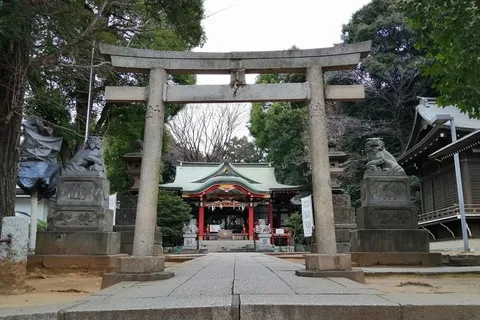
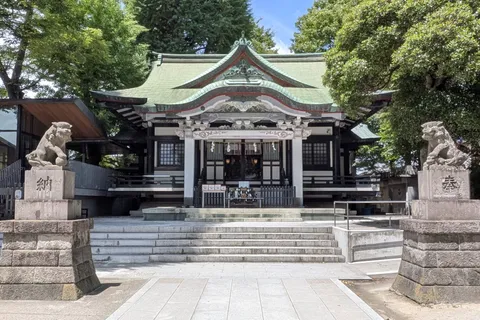
Senzoku Hachiman Shrine stands at the northwest end of Senzokuike Park in Minami-Senzoku, Ota Ward, Tokyo. Its name is read “Senzoku Hachiman Jinja,” and it is also known as “Senzokuike Hachimangu.” The enshrined deity is Hondawake no Mikoto (Emperor Ojin), and its former shrine rank was village shrine (per the Tokyo Shrine Agency and encyclopedia entries).
According to the shrine’s history board and Ota City Board of Education materials, it was founded in 860 (Jogan 2) when a divided spirit was invited from Usa Hachiman in Buzen Province (now Oita Prefecture) to serve as the guardian shrine of the Senzoku district. In the late Heian period the Seiwa-Genji clan revered Hachiman as its clan deity, and traditions linking the shrine to Minamoto no Yoshiie and Minamoto no Yoritomo remain.
Ota City materials say the shrine is also called “Hataage (Banner-Raising) Hachiman.” This comes from a tradition that after Yoritomo lost the Battle of Ishibashiyama and fled to Awa, he stopped near Senzokuike Pond and made camp before heading for Kamakura. A horse that appeared then had a blue coat with white spots like the moon reflected on the pond, and it is said to have been named “Ikezuki.” Ikezuki was later given to Sasaki Takatsuna, who, the same materials say, raced Kajiwara Kagesue (riding the famous horse Surusumi, obtained at Magome, also in Ota) for the lead in the Battle of the Uji River. All of this is tradition.
Ota City materials also say that the ancestor of the Ikegami clan, whose member Ikegami Munenaka was an important lay follower of Nichiren, is thought to have been Fujiwara no Tadakata, sent from Kyoto in 935 to put down the rebellion of Taira no Masakado. According to the shrine’s origin story, after the rebellion Tadakata took this Hachiman shrine as his clan shrine and built a residence upstream of the pond, hence the name “Ikegami” (pond-upper). The materials say the pond is thus also tied to the origin of the place name Ikegami.
Highlights
The shrine sits on the western shore of Senzokuike Pond, and just northeast of the grounds a bronze statue of Ikezuki gazes out over the pond (Ota City materials). The bridge in front, Ikezuki Bridge, was rebuilt in 2016 as a triple-arched drum bridge, which the same materials call rare in Japan. Visitor accounts describe a vermilion Ryobu torii facing the pond, a flight of stone steps leading up to the hall, and a large Ikezuki ema on the left side of the hall. These descriptions come from guide articles rather than the shrine itself, so please check on site.
A place name also recalls the horse: Kita-Senzoku Station on the Tokyu Oimachi Line was called “Ikezuki Station” between 1928 and 1930 (Showa 3–5), according to Ota City materials.
Visiting Tips
Ota City materials describe the grounds as open at all times (with a note asking visitors to be considerate). Shrine office hours could not be confirmed from the Tokyo Shrine Agency or Ota City materials.
Several guide articles say goshuin are issued at the shrine office for ¥300, but no notice from the shrine itself was found. A recent visitor report says the office was unattended and no goshuin could be received, so if goshuin is your goal, calling ahead (03-3727-7584) is the surest approach.
It is about a 5–6 minute walk from Senzokuike Station on the Tokyu Ikegami Line. Parking could not be confirmed, so going by train is recommended.
Annual Festivals
- Annual festival (September): The Tokyo Shrine Agency lists it as the Saturday and Sunday nearest September 6. Other guide sites give “the weekend nearest September 7” or “the first Sunday of September,” so sources differ.
The dates of other annual events could not be confirmed from the Tokyo Shrine Agency or Ota City materials, so they are omitted. Please contact the shrine for the latest information.
Nearby Food & Sightseeing
- Senzokuike Park: According to Ota City, the ward’s first site designated a Tokyo Metropolitan Place of Scenic Beauty (March 2019), and the subject of a Hiroshige print in “One Hundred Famous Views of Edo.” Cherry blossoms color it from March to April and ginkgo from October to November. Rental boats are available on sunny days.
- Ikezuki Bridge: The triple-arched drum bridge right in front of the shrine. Ota City materials say a Japanese-instrument music event, “Shunsho no Hibiki,” is held here every May.
- Grave of Katsu Kaishu and his wife: An Ota Ward-designated cultural property inside Senzokuike Park. According to Ota City, Kaishu died in 1899 (Meiji 32) and was buried by the pond as he had wished.
- Myofukuji Temple (Kesakake Pine): Legend says Nichiren hung his robe on a pine at Senzokuike Pond and washed his feet, and the name “Senzoku” (洗足, “washing feet”) spread from this story. According to an explanatory article, the current pine is said to be the third generation and stands on Myofukuji’s grounds (this is legend-based commentary, not an established fact).
Frequently Asked Questions
- Q. What are the visiting hours?
- A. Ota City cultural-property materials describe the grounds as open at all times (with a note asking visitors to be considerate). Shrine office hours are not given in any official source found, so if you are going for an amulet or goshuin, call the number listed by the Tokyo Shrine Agency (03-3727-7584) beforehand.
- Q. Can I get a goshuin at Senzoku Hachiman Shrine?
- A. Several guide articles say goshuin are issued at the shrine office for ¥300 (the shrine's own notice could not be confirmed). It is described as a goshuin stamped with a seal of the famous horse Ikezuki. However, a recent visitor report says the office was unattended and no goshuin could be received, so if you are traveling a long way, please call ahead.
- Q. How do I get there, and is there parking?
- A. It is about a 5–6 minute walk from Senzokuike Station on the Tokyu Ikegami Line (the Tokyo Shrine Agency says 6 minutes, Ota City materials say 5). The shrine is at the northwest end of Senzokuike Park. Parking could not be confirmed from the Tokyo Shrine Agency or Ota City materials, so going by train is recommended.
- Q. What are "Hataage Hachiman" and "Ikezuki"?
- A. According to Ota City Board of Education materials, the shrine is also called "Hataage (Banner-Raising) Hachiman." The name comes from a tradition that after Minamoto no Yoritomo lost the Battle of Ishibashiyama and fled to Awa, he stopped near Senzokuike Pond and made camp before heading for Kamakura. A horse that appeared then had white spots like the moon reflected on the water, and Yoritomo is said to have named it "Ikezuki" (Pond Moon). This is tradition only. A bronze statue of Ikezuki stands just northeast of the shrine grounds.
- Q. When is the annual festival?
- A. The Tokyo Shrine Agency lists the annual festival as the Saturday and Sunday nearest September 6. Other guide sites give "the weekend nearest September 7" or "the first Sunday of September," so sources differ. The schedule can change from year to year, so please check with the shrine before you go.
Plan Your Visit
Before you go, you can book a stay and get your shrine-visit items ready.
Amazon links open Amazon.co.jp (Japan) in English; whether an item ships overseas depends on the product.
※ Contains ads (PR). Links open external sites such as Amazon, Rakuten, Trip.com and Booking.com.