The Pantheon
A Journey Through
Japan's Beautiful, Mysterious Shrines.
History, access, and goshuin info — everything a first-time visitor needs to feel at ease.
Shinto & Kami
About Shrines & Kami
"What exactly is a shrine?" "What are kami?" — a gentle introduction to the basics of Japan's shrines and deities for anyone visiting for the first time.
See the kami enshrined at each listed shrine →What Is a Shrine?
A shrine (jinja) is a place where kami are enshrined, rooted in Shinto, Japan's indigenous faith. The approach from the torii gate to the main hall is considered a path from the everyday world into the kami's sacred space. Natural features such as mountains, forests, waterfalls, and boulders are often themselves treated as sacred ground, and Japan is home to tens of thousands of shrines nationwide.
Yaoyorozu no Kami — The Myriad Gods
Shinto does not center on a single deity. From natural forces like the sun, mountains, the sea, and the wind, to gods overseeing rice farming, commerce, and scholarship, to deified historical figures — countless kami (yaoyorozu no kami, "eight million gods") have been venerated throughout Japan's history. That's why the deities and blessings associated with each shrine differ.
The Kami and the Imperial Family
In Japanese mythology, the origins of the Imperial line are traditionally traced back to Amaterasu Omikami, the sun goddess and most revered deity in Shinto. To this day, the Emperor performs rites honoring the kami at the Imperial Palace, and it is this deep connection that gives Ise Jingu — dedicated to Amaterasu — its special status. The bond between Shinto and the Imperial Household continues into modern Japan.
Latest Updates
- 2026-10-01Added Tanashi Jinja, Mekari Jinja, Kono Jinja, Izushi Jinja, Oyama Jinja (Mount Daisen, Tottori)
- 2026-10-01Added Myogi Jinja, Hodosan Jinja, Hijiri Jinja, Takase Jinja, Tsurugi Jinja (Echizen)
- 2026-09-30Added Osaki Hachimangu, Shiwahiko Jinja, Chokaisan Omonoimi Jinja, Yuzawa Jinja, Hayachine Jinja
- 2026-09-29Added Kashii-gu, Aoshima Jinja, Hakozaki-gu, Tsuno Jinja, Ushiodake Jinja
- 2026-09-21Published a new featured guide: "How to Set Up a Kamidana (Home Shrine)"
Browse by Prefecture
Find shrines in a region you're interested in.
Shrines of Japan
Where a thousand years of prayer meet the stillness of the seasons.
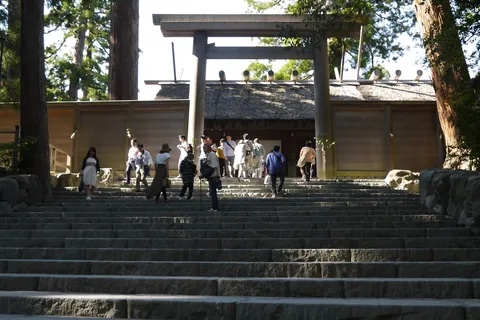
Mie Prefecture, Ise
Ise Jingu
Ise-jingū
- Good Fortune
- Peace of the Nation
- Bountiful Harvest
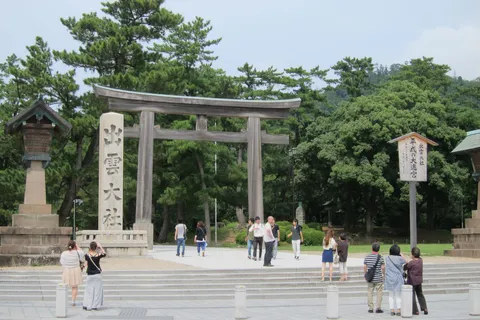
Shimane Prefecture, Izumo
Izumo Taisha
Izumo Ōyashiro
- Good Relationships
- Marital Harmony
- Business Prosperity
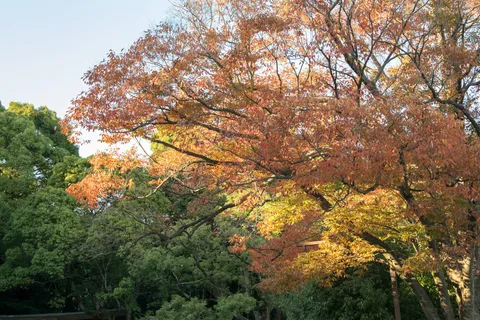
Tokyo, Shibuya
Meiji Jingu
Meiji-jingū
- Good Fortune
- Good Relationships
- Household Safety
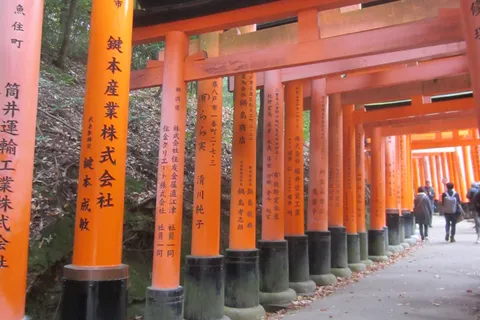
Kyoto Prefecture, Fushimi-ku, Kyoto
Fushimi Inari Taisha
Fushimi Inari Taisha
- Business Prosperity
- Bountiful Harvest
- Household Safety
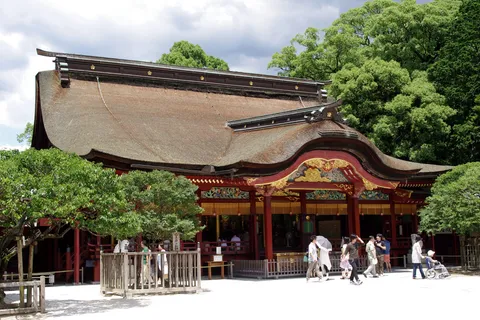
Fukuoka Prefecture, Dazaifu
Dazaifu Tenmangu
Dazaifu Tenmangū
- Academic Success
- Exam Success
- Protection from Misfortune
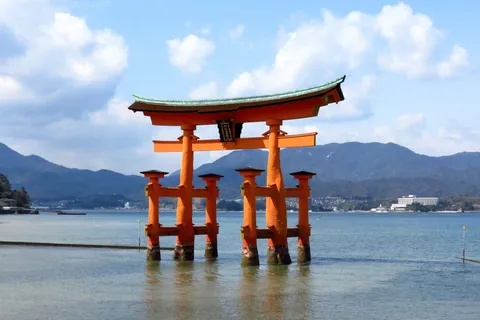
Hiroshima Prefecture, Miyajima, Hatsukaichi
Itsukushima Shrine
Itsukushima-jinja
- Maritime Safety
- Wealth
- Success in the Arts
Search by Blessing
Beginner's Visiting Guide
Etiquette can vary slightly by region and shrine, but knowing this basic flow will put you at ease. Don't overthink it — the important thing is a sense of gratitude toward the kami.
Video by the Jinja Honcho (Association of Shinto Shrines) official channel — "The Spirit and Form of Worship" (in Japanese).
01
Bow before the torii gate
The torii marks the boundary between the sacred and the everyday world — think of it as the front door to the kami's home. Give a light bow before passing through. The center of the approach path is considered the kami's own route, so it's more polite to walk slightly to one side.
02
Purify yourself at the temizuya
Scoop water with the ladle, rinse your left hand, then your right. Pour water into your left hand and rinse your mouth. Finally, tilt the ladle upright so the remaining water rinses the handle — a small courtesy for the next visitor.
03
Offer a coin and ring the bell
Quietly place a coin in the offertory box and ring the bell if there is one. The sound is said both to announce your visit to the kami and to ward off negative influences.
04
Two bows, two claps, one bow
Bow deeply twice, clap twice at chest height, then bow deeply once more. After clapping, silently offer your thanks and any wishes (a few shrines, such as Izumo Taisha, follow a different form).
05
Receive a goshuin at the shrine office
After paying your respects, you can receive a goshuin (seal stamp) or omamori (charm) at the shrine office. Each goshuin features a unique stamp and hand-brushed calligraphy, making a wonderful memento — bring a goshuincho (stamp book) if you'd like to collect them.
06
Turn and bow again as you leave
As you exit through the torii gate, it's a polite custom to turn back toward the main hall and offer one more bow — a final gesture of gratitude for your visit.