History
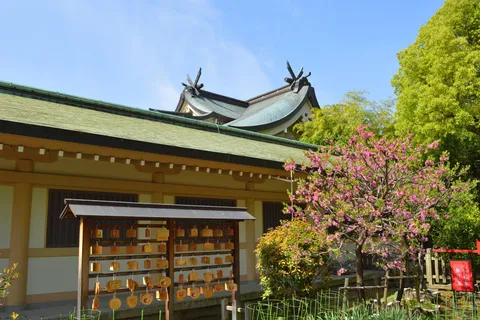
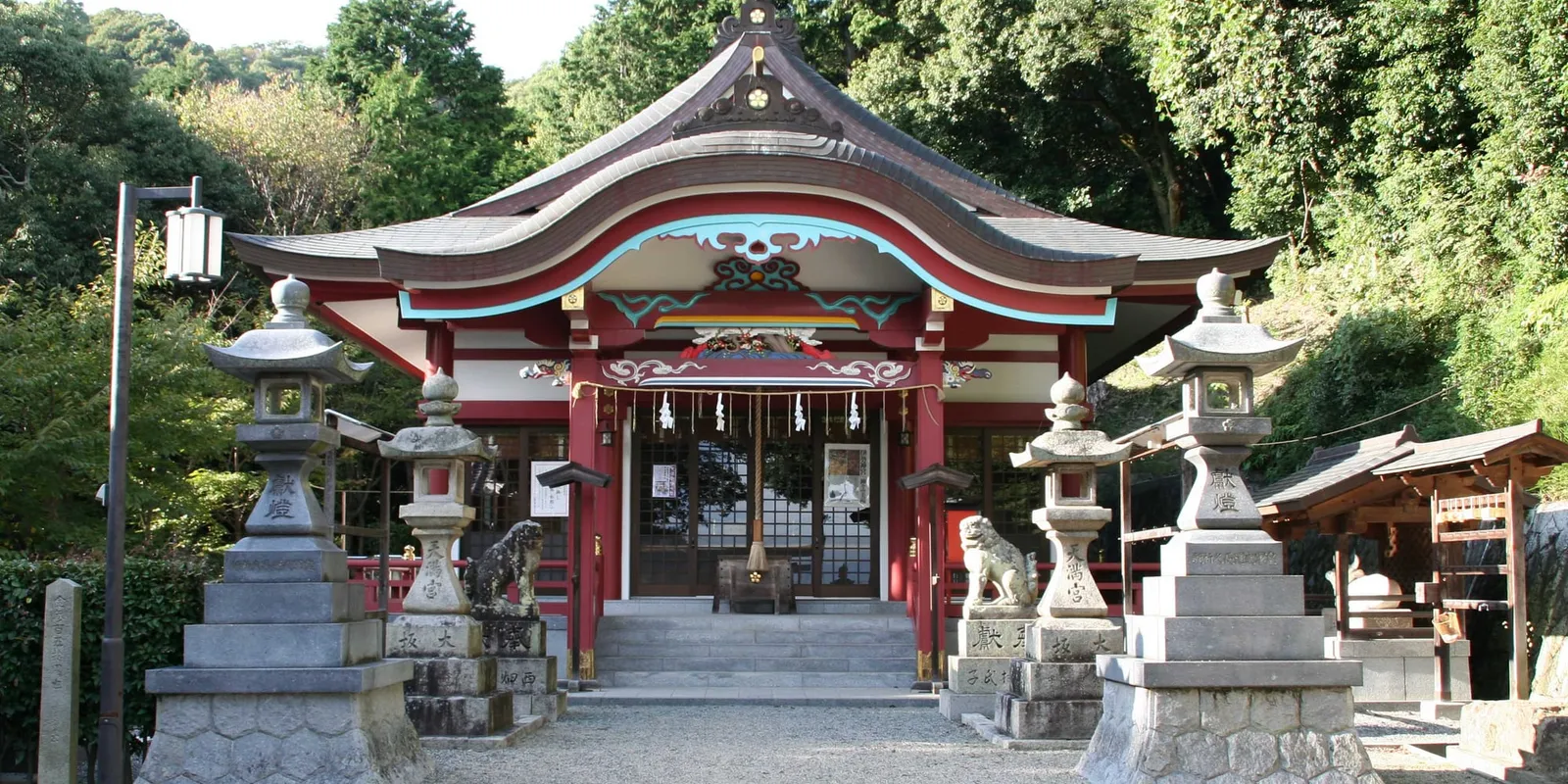
Hata Tenmangu is said to have been founded on November 11, 1097 (Eicho 2), enshrining Sugawara no Michizane, the deified scholar-statesman revered as the god of learning. Until the Meiji-era separation of Buddhism and Shinto, the shrine was administered by a Tendai temple, Senhoji, and later by a Shingon temple, Myooozan Jintokuji — a legacy of the syncretic Buddhist-Shinto worship long practiced here. The shrine buildings were destroyed by fire more than once amid the wars of the Sengoku period, and were rebuilt by local villagers in 1595 after one such disaster.
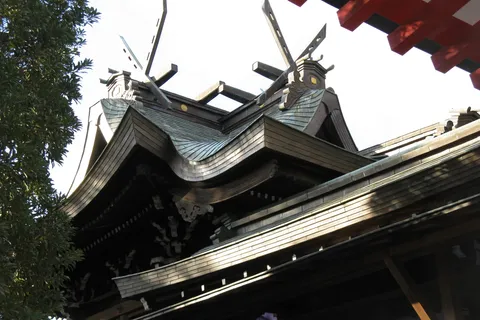
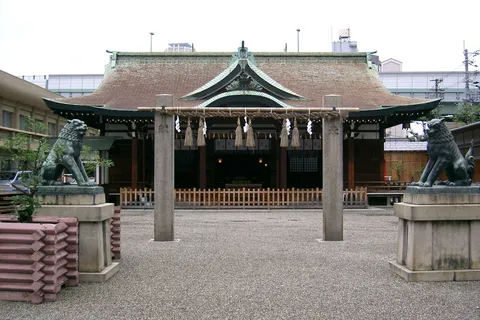
Further repairs followed during the Genroku and Horeki eras, and the main hall was rebuilt again in 1871, with the shrine designated a village shrine the following year. The most dramatic blow came on January 17, 1995, when the Great Hanshin-Awaji Earthquake caused the main hall to collapse. Reconstruction, carried out with the support of parishioners and other supporters, was completed in 2000, giving the shrine its current buildings. The grounds also preserve valuable local artifacts designated as cultural properties of Ikeda City, including a stone monument inscribed with the date 1378, a stone tablet from 1285, and a mathematical votive tablet (sangaku) dedicated in 1852.
Highlights
Three subsidiary shrines stand within the grounds — dedicated to Inari, Otoshi, and Atago — carrying on associated traditions of agricultural and fire-prevention worship alongside the main Tenjin faith. The current halls, rebuilt through the support of the local community after the 1995 earthquake, are themselves a highlight, embodying the resilience of the shrine’s long history. The variety of medieval stone monuments still preserved on the grounds offers a tangible link to Ikeda’s local history.
Set in the Hata neighborhood with views toward Mount Gozan and the Ina River valley, the shrine offers a quiet, contemplative setting that contrasts with the bustle of central Ikeda nearby.
Visiting Tips
The grounds are compact, so a visit typically takes 15–20 minutes. The shrine is a bit removed from Hankyu Ikeda Station, so plan on either taking a bus or allowing about 20 minutes on foot. Goshuin stamps are available whenever the shrine office is staffed, though it isn’t always attended, so it’s worth checking the official website for current hours if a stamp is a priority for your visit.
Annual Festivals
- Autumn Grand Festival (October 25): The shrine’s largest annual event, a harvest festival at which locals pray for a bountiful harvest, household safety, and good health.
- Summer Festival (July 25): Held at the midpoint of summer, this festival prays for the continued peace and safety of the community.
- New Year’s Visit (January 1–3): As the shrine enshrines the god of learning, many visitors come to pray for success in upcoming exams and studies.
- Monthly Rites (Tsukinami-sai): Regular rites are held each month to pray for peace in daily life.
Nearby Food & Sightseeing
- Cup Noodles Museum Osaka Ikeda: A hands-on museum in the birthplace of Chicken Ramen, the world’s first instant noodle, where visitors can design and make their own original Cup Noodles.
- Mount Gozan Park: A public park not far from Hata Tenmangu, known for its cherry blossoms and autumn foliage, with an attached small zoo that makes it a favorite for families.
- Gosyun Sake Brewery: Ikeda has a long history as a sake-brewing town, and this local brewery, whose name honors the Edo-period painter Matsumura Goshun, continues that tradition of “Ikeda sake” today.
Frequently Asked Questions
- Q. What are the visiting hours?
- A. The grounds are open to visitors at all times; the shrine office is generally open 9:00 AM–5:00 PM.
- Q. When is the goshuin office open?
- A. Roughly 9:00 AM–5:00 PM when the shrine office is staffed, for around ¥500.
- Q. Is there parking?
- A. Yes, parking is available in front of the approach and within the grounds.
- Q. Was it affected by the Great Hanshin Earthquake?
- A. Yes — the main hall collapsed in the 1995 earthquake, and the current building was rebuilt in 2000 with support from parishioners and worshippers.
- Q. How do I get there?
- A. About a 20-minute bus ride or walk from Hankyu Ikeda Station.