
History
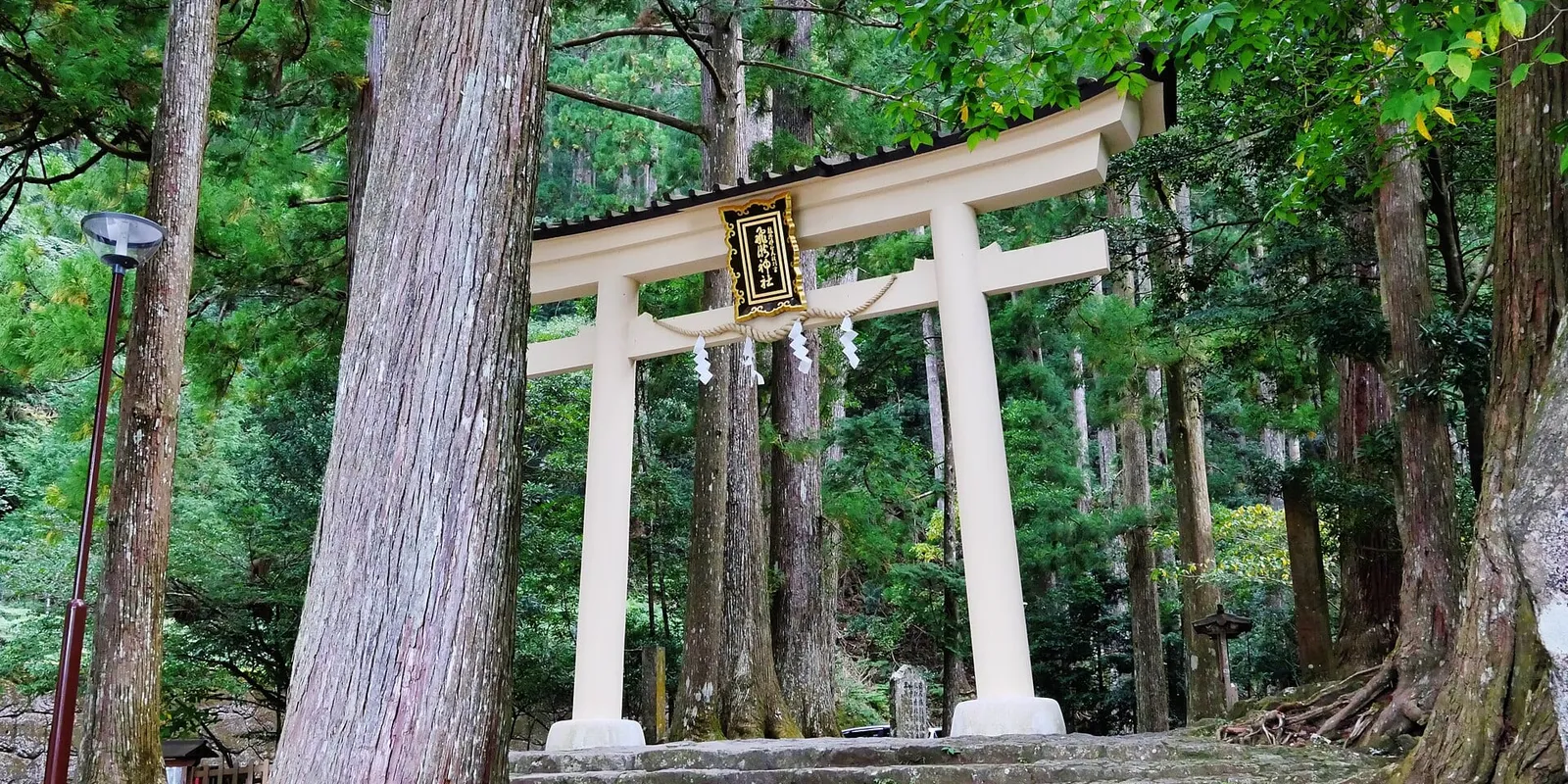
Hirou Jinja is an associated shrine (betsugu) of Kumano Nachi Taisha that enshrines Nachi Falls itself — at 133 meters, Japan’s tallest single-drop waterfall — as the sacred body of Onamuchi no Kami. Unlike most shrines, it has no main hall, and not even a hall of worship. A single vermillion torii gate stands directly in front of the plunge pool, and visitors look straight through it to bow before the thundering column of falling water. It is one of the most primal styles of worship still practiced in Japan today, echoing an age when mountains and waterfalls themselves, rather than any building, were venerated as sacred.
According to shrine tradition, this spot near the base of the falls is the very birthplace of Kumano Nachi Taisha: the spirit of the falls was worshipped here until the shrine hall relocated to its present site partway up Mount Nachi in the 5th year of Emperor Nintoku’s reign (337 CE). In that sense, Hirou Jinja functions both as the “inner shrine” of Kumano Nachi Taisha and as the very origin point of Nachi worship itself. Legend holds that being touched by the falls’ spray grants long life, and for centuries Shugendo ascetics have practiced takigyo — standing beneath the falls in prayer — at this site. High on the cliff face near the crest of the falls hangs a large shimenawa sacred rope, a quiet but constant reminder that this ground is sacred.
Highlights
The moment visitors step onto the grounds, the first thing to catch the eye is the vermillion torii framing Nachi Falls beyond it — a white column of water roaring down behind the gate, a view found nowhere else. A further flight of stone steps below the shrine office leads to the paid “Otaki Haisho Butai” viewing platform, which brings visitors close enough to the plunge pool to feel the falls’ mist and thunder firsthand.
Around the grounds, alongside the torii framing the falls, visitors will also find the “Water of Longevity” fountain and stone monuments inscribed with poems composed in praise of the waterfall. Where the famous view from Kumano Nachi Taisha frames the falls alongside the main hall and Seiganto-ji’s three-storied pagoda, Hirou Jinja’s view is a direct, close-up encounter with the falls alone — more intimate, and arguably more awe-inspiring.
Visiting Tips
Hirou Jinja sits about a 20-minute walk down a stone staircase from the main hall of Kumano Nachi Taisha, so most visitors combine a visit here with Kumano Nachi Taisha and the adjoining Seiganto-ji. Approaching as far as the torii is free, but continuing to the Otaki Haisho Butai viewing platform closer to the plunge pool requires an admission fee (¥300 for adults, ¥200 for elementary and junior high school students; open 8:00–16:00). Goshuin can be received at the shrine office on the grounds, and the original goshuin book decorated with the Nachi Fan Festival motif is a popular choice. Comfortable walking shoes are recommended, as the approach involves a long series of stone steps.
Annual Festivals
- Grand Festival “Nachi Fan Festival (Nachi Fire Festival)” (July 14): The grand festival of Kumano Nachi Taisha, in which twelve fan-shaped mikoshi and blazing pine torches are carried in procession down from the main hall to “Takimoto,” the area near Hirou Jinja. The procession is said to carry the spirit of the falls down to the village and back again, making the area around Hirou Jinja the climactic stage of the festival.
- Takibiraki, the New Year Opening of the Falls (January 1): A rite in which the falls are worshipped for the first time in the new year, praying for safety and long life in the year ahead.
- Shimenawa Rope Renewal Rite: A periodic ceremony in which the large shimenawa hung on the cliff face at the crest of the falls is replaced with a new one, purifying the falls as sacred ground.
- Monthly Festival (18th of each month): A monthly rite held in step with Kumano Nachi Taisha, renewing devotion to the falls throughout the year.
Nearby Food & Sightseeing
- Kumano Nachi Taisha: The parent shrine of Hirou Jinja, one of the three great Kumano shrines. It sits partway up Mount Nachi, about a 20-minute climb up stone steps from the falls, and most visitors take in both shrines together.
- Seiganto-ji: The first temple of the 33-temple Saigoku pilgrimage, adjoining Kumano Nachi Taisha. Its vermillion three-storied pagoda framed against Nachi Falls forms one of the most iconic views in Japan.
- Miyamatei: A restaurant and souvenir shop right by the entrance to the falls, offering a convenient spot to rest with a view of the water before or after paying your respects.
Frequently Asked Questions
- Q. Why doesn't it have a main hall or worship hall?
- A. The waterfall itself is worshipped as the shrine's sacred body, preserving an ancient form of nature worship that predates shrine buildings.
- Q. What are the visiting hours?
- A. 7:30–16:30 (visiting the grounds is free); the falls-viewing platform is open 8:00–16:00.
- Q. Does the viewing platform cost extra?
- A. Yes — ¥300 for adults and ¥200 for children, for a closer view near the base of the falls.
- Q. When is the goshuin office open?
- A. Around 7:30–16:30, for ¥300.
- Q. How do I get there?
- A. About a 30-minute bus ride from JR Kii-Katsuura Station to Nachi-no-taki-mae, or about a 20-minute walk down a stone staircase from the main hall of Kumano Nachi Taisha.
Related Shrines
Wakayama, Tanabe
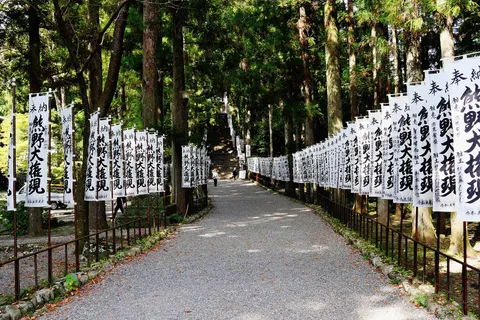
Kumano Hongu Taisha
Kumano Hongū Taisha
- Good Fortune
- Good Health
- Good Relationships
Wakayama, Nachikatsuura
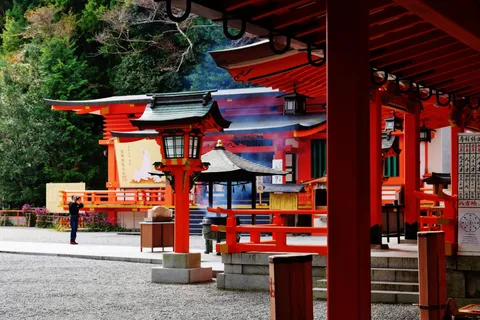
Kumano Nachi Taisha
Kumano Nachi Taisha
- Good Relationships
- Good Fortune
- Good Health
Osaka Prefecture, Nishi Ward, Osaka
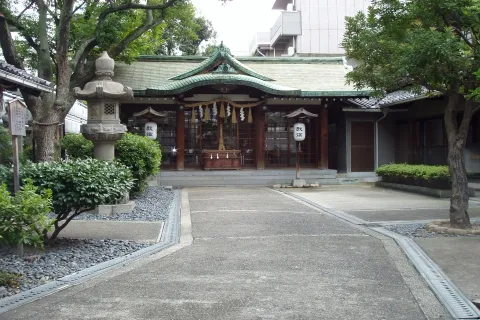
Samuhara Shrine
Samuhara-jinja
- Protection from Misfortune
- Good Fortune
- Good Health