History
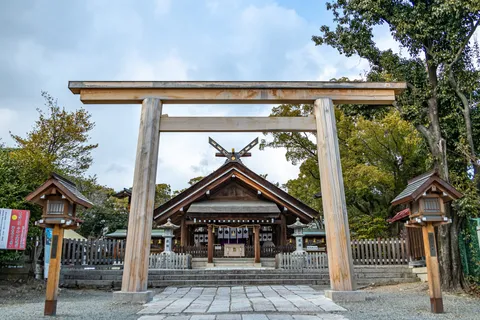
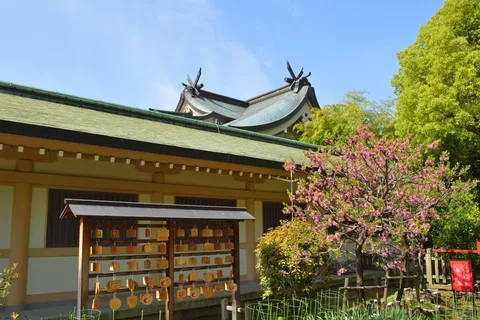
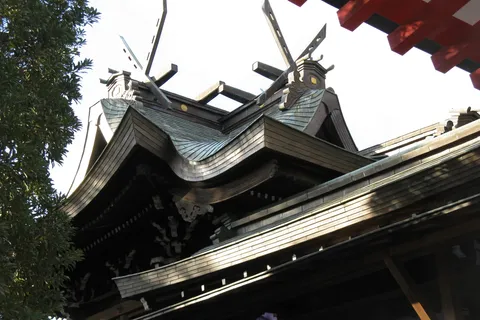
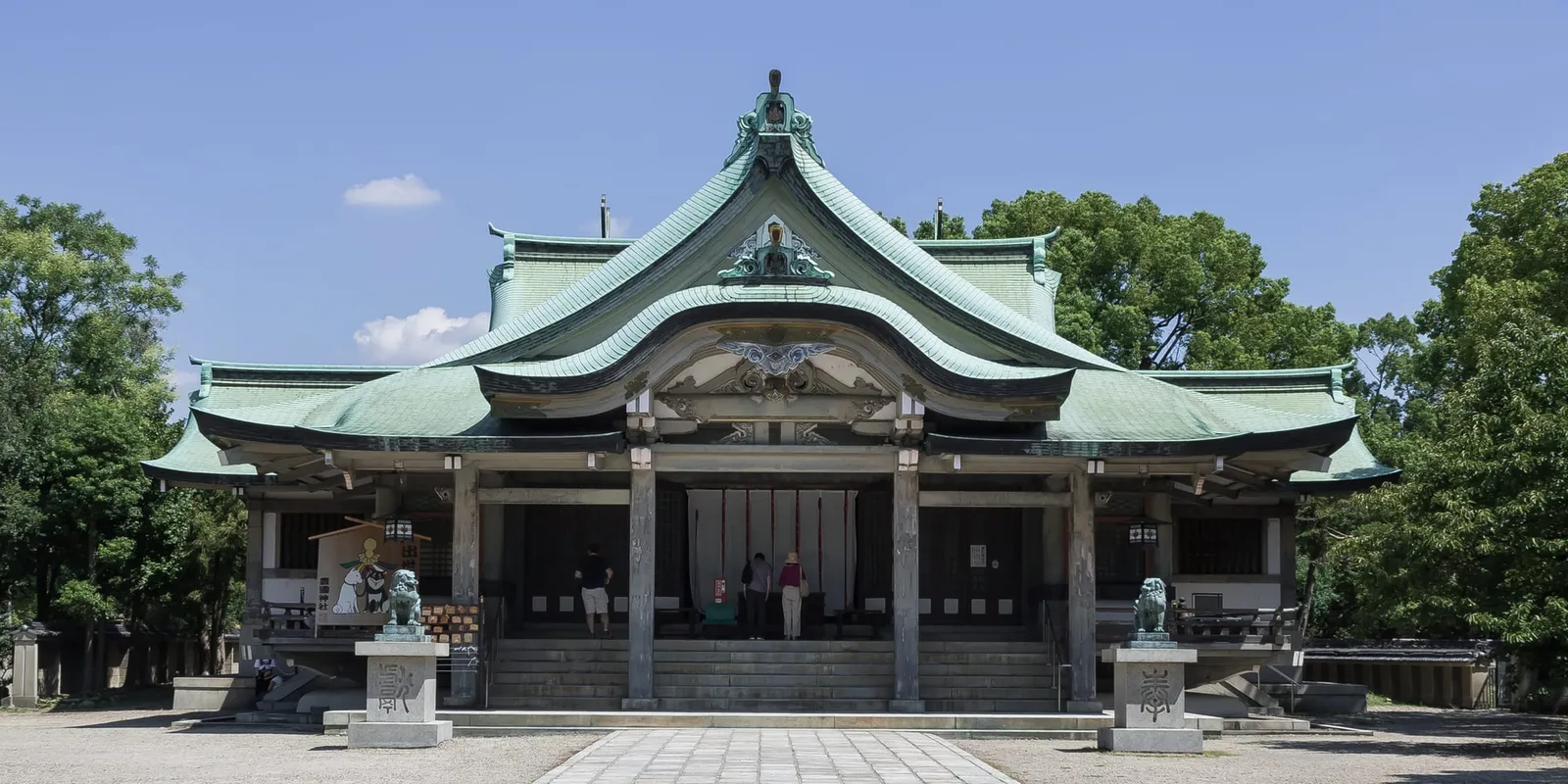
Osaka Castle Hokoku Shrine (Hokoku-jinja) stands inside Osaka Castle Park in Chuo Ward, Osaka, on the south side of the castle’s Ninomaru. The official site names Toyotomi Hideyoshi, Toyotomi Hideyori and Toyotomi Hidenaga as the three enshrined deities, and says the shrine was founded under an edict of Emperor Meiji to honor these three men who served the nation. The official site gives no pronunciation for the name, but Japanese Wikipedia and the shrine’s official X account write it “Hokoku.” (Toyokuni Shrine in Kyoto and others are read “Toyokuni.”) Despite the similar names, this is a different shrine from the Toyokuni shrines in Kyoto, Nagoya and Nagahama.
According to the official history, when Emperor Meiji visited Osaka in 1868 he ordered that Hideyoshi be enshrined in the city. In 1873 a main shrine building was built in Kyoto, and in 1880 the Osaka branch was founded at Yamazaki-no-hana in Nakanoshima, Kita Ward, on the site of today’s Osaka City Central Public Hall (Japanese Wikipedia gives 1879 for the founding, so the year differs by source). In 1912 it moved to a park west of the Prefectural Library to make way for the Central Public Hall, and in 1921 it became independent of the branch arrangement and was ranked as a prefectural shrine. After the war the shrine ranking system was abolished, and it became a religious corporation affiliated with the Association of Shinto Shrines. A move was first discussed around 1935 because of the expansion of Osaka City Hall and was suspended by the war; at the city’s renewed request in 1956 the castle grounds were chosen, and the shrine moved to its present site in about January 1961.
The official site also introduces a joint goshuin-book project tied to the NHK drama “Toyotomi Kyodai!” (see the FAQ).
Highlights
The official site says the main hall and worship hall enshrine Toyotomi Hideyoshi, Hideyori and Hidenaga. A statue of Hideyoshi stands in the grounds. According to the official site, the original was put up inside Osaka Castle in 1903 and lost to the wartime metal requisition of 1943, and a replica by the sculptor Nakamura Shinya was installed in 2007, reproducing the size and pose from old photographs.
The Shuseki-tei (秀石庭) is a stone garden designed and supervised by the Showa-era garden designer Shigemori Mirei. Per the official site, the name combines “Shu” from Hideyoshi and “seki” (stone) from “Ishiyama,” an old name for the castle site. It uses no plants and expresses the sea that supported Osaka’s growth, with Hideyoshi’s thousand-gourd crest worked into the ground pattern and large rocks arranged in the Horai-mountain style to represent “Ishiyama.”
The grounds also hold subsidiary shrines: Wakanaga Shrine (若永神社), said to have guarded the house of the Yodoya merchant family against fire, as well as Shiratama Shrine, Tanabata Shrine and Tamaharu/Tamashige Shrines. The official site says Tanabata Shrine is associated with good relationships, safe childbirth and artistic skill.
Visiting Tips
The grounds are open at any time. The shrine office (amulets, goshuin, omikuji) is open 9:00 AM–4:50 PM. For career success and good fortune, the official site lists the “hyotan netsuke mamori” (gourd strap charm) and the “gold gourd” (neither can be sent by mail); other charms include ones for wealth, protection from misfortune, traffic safety, exam success, business prosperity and victory. The shrine does not sell amulets online and warns about websites that sell its goods without authorization.
Prayer services are by reservation, accepted 10:00 AM–3:00 PM. The official fees start from ¥5,000 for career success and good fortune (出世開運・仕事成就), ¥5,000 for victory and exam success, and ¥10,000 for business prosperity and company prayers. The goshuin fee is not stated on the official site, so please check at the counter.
Private vehicles cannot enter the grounds; use the parking lots around Osaka Castle Park. There are some steps, so wheelchair and stroller users may want a companion.
Annual Festivals
The events listed on the official festival page are as follows.
- Saitan-sai (January 1): The New Year’s festival, open to the public.
- Hatsuuma Taisai (first Horse Day in March): A ceremony conducted by priests only.
- Natsu-matsuri (July 18): The summer festival, open to the public.
- Taiko-sai (August 18): The shrine’s most important annual festival, on the anniversary of Hideyoshi’s death. In 2026 it was announced for 11:00 AM–noon in the main hall (first 50 people).
- Tsukinami-sai (the 18th of every month): The monthly ceremony.
Dates can change, so check the “Festivals” page and notices on the official site for the latest.
Nearby Food & Sightseeing
- Osaka Castle Main Tower: The keep of Osaka Castle, linked to Toyotomi Hideyoshi, in the same Osaka Castle Park. Many visitors combine it with a shrine visit.
- Osaka Castle Park / Nishinomaru Garden: A garden area of the Osaka Castle Park where the shrine stands, good for a stroll before or after your visit.
- Osaka Museum of History: A museum near the castle on the Tanimachi 4-chome side that traces the history of Osaka.
Frequently Asked Questions
- Q. What are the visiting hours?
- A. The official site says the grounds can be visited at any time. The shrine office (the amulet and goshuin counter, which also handles omikuji) is open 9:00 AM–4:50 PM. Prayer services are accepted 10:00 AM–3:00 PM; booking in advance is recommended, and some days have no services.
- Q. Can I get a goshuin at Osaka Castle Hokoku Shrine?
- A. Yes. According to the official site, goshuin and amulets are handled at the shrine counter from 9:00 AM to 4:50 PM. The fee is not stated on the official site, so please check at the counter. The shrine's official notices mention a "Hideyoshi-ko / Hidenaga-ko Shuin" distributed from Saturday, April 18 to Wednesday, December 30, 2026, and a limited-edition goshuin for Tanabata Shrine (posted July 6, 2026). The shrine also announced that its previous goshuin book ended distribution on June 28, 2026 and that new goshuin books will appear in turn. Availability changes, so check the official site beforehand.
- Q. How do I get there, and is there parking?
- A. The official site lists about 13 minutes on foot from Tanimachi 4-chome Station or Morinomiya Station, and about 9 minutes on foot from the "Babacho" or "Osakajo Otemae" stops of Osaka City Bus route 62. Private vehicles cannot enter the grounds, and visitors are told to use the parking lots around Osaka Castle Park. Some areas have steps, so the shrine suggests that wheelchair and stroller users bring a companion.
- Q. Is the shrine connected to the NHK drama "Toyotomi Kyodai!"?
- A. The shrine enshrines Toyotomi Hidenaga alongside Hideyoshi and Hideyori (per the official history page). In a notice dated June 25, 2026, the official site says it made a commemorative goshuin book for the NHK taiga drama "Toyotomi Kyodai!" (Toyotomi Brothers!), with silhouettes of Hideyoshi and Hidenaga in armor on the cover, as a joint project of four Toyokuni (Hokoku) shrines: Owari-Nakamura, Omi-Nagahama, Kyoto and Osaka Castle. The notice gives no price or quantity, and availability changes, so check the official site.
- Q. When is the Taiko Festival?
- A. The Taiko Festival (Taiko-sai) is held on August 18, the day Toyotomi Hideyoshi died, and the official site calls it the shrine's most important festival. For 2026 the shrine announced it for Tuesday, August 18, 11:00 AM–noon in the main hall, with reception in the grounds 10:00–10:30 AM, limited to the first 50 people, with a suggested offering from ¥2,000. Photography, eating and the use of fans are not allowed during the ceremony. Dates can change from year to year, so check the latest official notice.
Plan Your Visit
Before you go, you can book a stay and get your shrine-visit items ready.
Amazon links open Amazon.co.jp (Japan) in English; whether an item ships overseas depends on the product.
※ Contains ads (PR). Links open external sites such as Amazon, Rakuten, Trip.com and Booking.com.