History
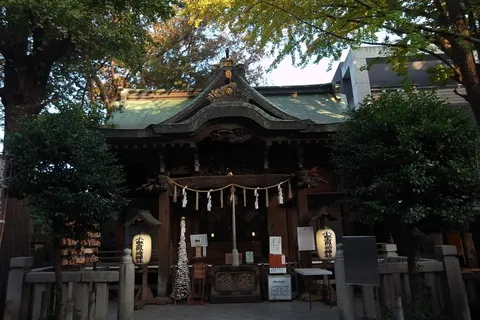
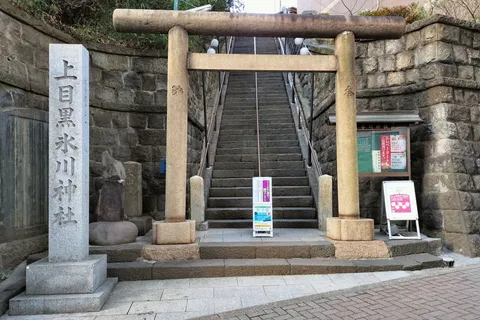
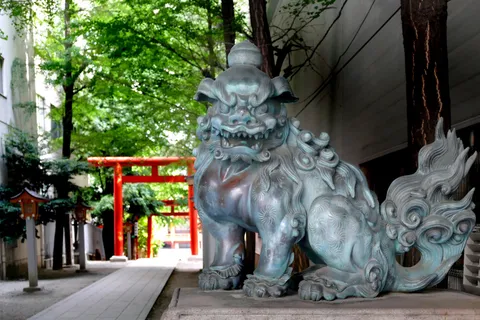
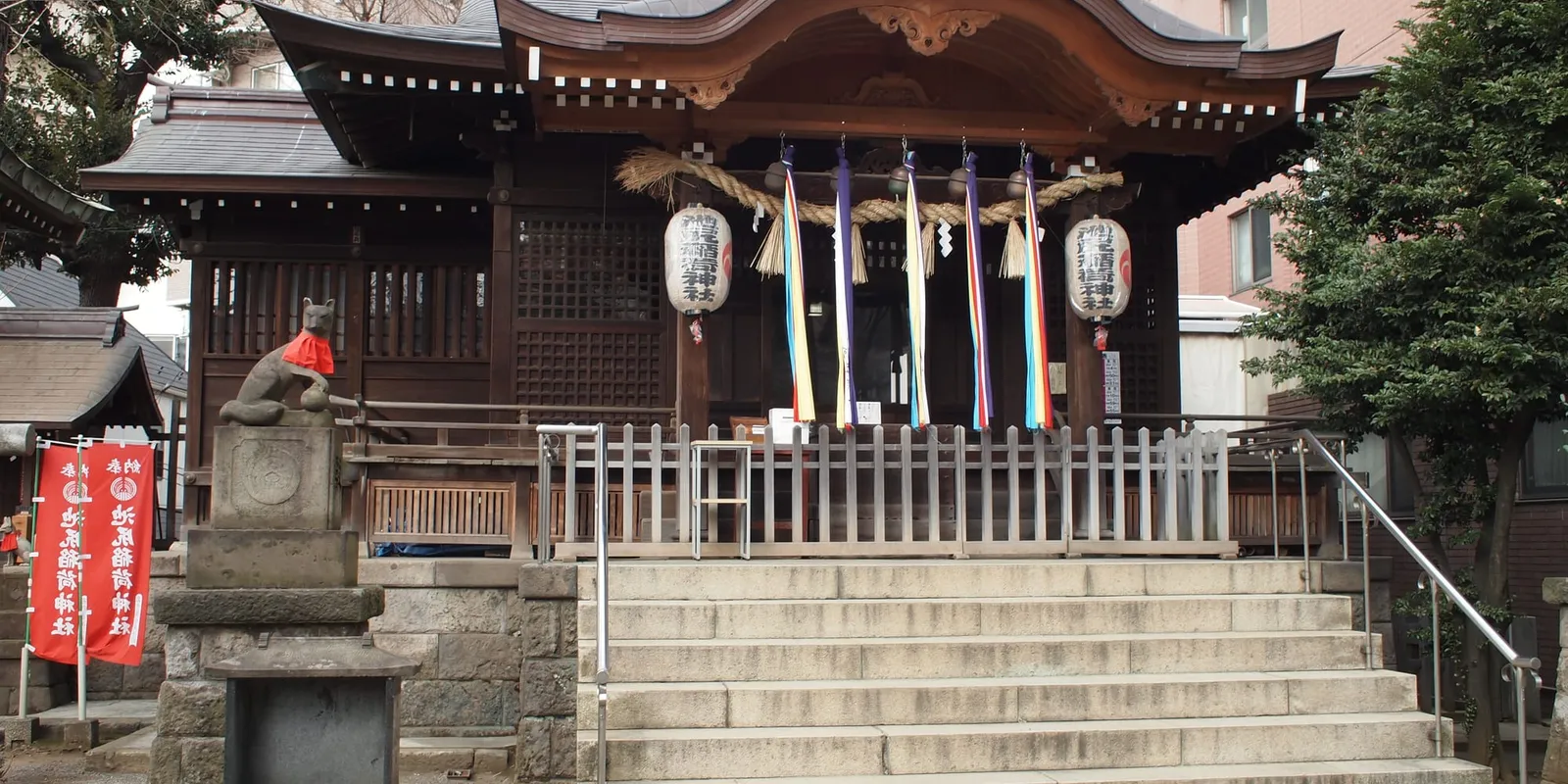
Ikejiri Inari Shrine is an Inari shrine in Ikejiri, Setagaya, Tokyo. The “Shrine Information” page of the official site says it was founded about 360 years ago in the Meireki era as the tutelary shrine of the former villages of Ikejiri and Ikezawa, and is said to have been revered as a “fire-warding Inari” and a “child-rearing Inari.” Setagaya Ward’s historic-site guide says it was branched off from Fushimi Inari in Kyoto and built in the Meireki era (early Edo period).
The official site’s “Shrine Information” page does not appear to name the enshrined deity. Shrine-guide sites give it as the Inari deity Ukanomitama-no-kami (also written with other characters as Ukanomitama-no-mikoto).
TV Tokyo’s “Shutsubotsu! Ad-machic Tengoku” featured the shrine at No. 10 as “Ikejiri Inari Shrine & Kamimeguro Hikawa Shrine” in its Ikejiri-Ohashi episode broadcast on May 25, 2024 (according to the program’s official page). The page introduces the two local guardian shrines of Ikejiri-Ohashi, saying Ikejiri Inari was founded in the early Edo period and has the Setagaya historic site “Karezu no Ido” on its grounds. Two shrines share that one ranking, so it is not a ranking of Ikejiri Inari alone.
Highlights
The grounds hold the “Karezu no Ido” (never-dry well). According to the official site, it now stands east of the main hall under the history signboard, is also called the “Yakusui no Ido” (medicinal-water well), and is said to have kept producing water even in the great drought of the Taisho era. Setagaya Ward’s historic-site guide says that since there used to be no drinking water for people traveling from Akasaka to Ikejiri village, it was a reliable source of water for travelers on the Oyama road, and that pilgrims to Oyama praying for rain are said to have always stopped here. The program page says the spring water is still used for hand-washing.
The official site mentions two sub-shrines. Kiyohime Inari Shrine, to the left of the main hall, is said to have a white snake as its sacred object, and is enshrined as a deity of the arts and academic success. The Water Shrine (Sui-jinja), in front of the hand-washing pavilion, is dedicated to the god of water.
For Shinto weddings, the official site says the Kagura-den stage is the ceremony venue, with up to 20 guests (the main hall may be used in rain). It is a city shrine within easy reach of Shibuya, Daikanyama, Ebisu and Sangenjaya, with trees around the grounds.
Visiting Tips
General visiting hours are not stated on the official site; most guide sites give 9:00 AM–5:00 PM. Prayer services are accepted from 10:00 AM to 4:00 PM, one party at a time. Per the official site, booking ahead means no waiting, and you can book by phone (03-3411-2141, staffed 9:00 AM–5:00 PM) or email. Tamagushi offerings are ¥5,000, ¥10,000, ¥20,000 or ¥30,000 for individuals, and ¥10,000, ¥20,000, ¥30,000 or ¥50,000 for groups. Services such as yakubarai (misfortune purification), car purification, safe-childbirth prayers and Shichi-Go-San are listed, and days when prayer is closed are posted in the official site’s monthly schedule notices.
Goshuin are said to be issued at the shrine office. Shrine-guide blogs and local media give the fee as ¥500, but I could not find a price or hours on the official site. Guide sites mention seasonal goshuin and a limited summer-visit goshuin; offerings may change.
It is about a 5-minute walk from the south exit of Ikejiri-Ohashi Station on the Tokyu Den-en-toshi Line, on Route 246 (Tamagawa-dori). Parking is not mentioned on the official site, and some guide sites mention only two spaces on the grounds, so going by train is the safer choice.
Festivals & Events
- Great Purification and chinowa (reed ring) crossing (June): In 2026 the Ōharae ceremony was held at 5:00 PM on Saturday, June 27 in the main hall, and the reed-ring crossing ran from Tuesday, June 23 to Tuesday, June 30 (per the official site’s notice).
- Annual festival (weekend around the third Sunday of September): In 2026, Saturday, September 19 had the portable-shrine spirit-entering rite, the opening of the mikoshi rest hall and the eve-of-festival service, and Sunday, September 20 had the festival rite at 10:30 AM, the float leaving the shrine at 1:00 PM and returning at 2:50 PM (per the official site’s notice). Dance and kagura performances at the Kagura-den are also listed. Some guide sites say the festival is held on the third Sunday of September.
- Shichi-Go-San (November): The official site says that booking between the end of October and the end of November means no waiting.
- Other annual events: One guide site (Tabiiro) lists events by month only, including Tansai-sai (January), Setsubun and Hatsuuma (February), Inari-ko-sha Festival (March), Kangaku-sai (April), Tanabata tea offering and Katashiro-nagashi (July), Niiname-sai (November) and Joya-sai (December). Dates change from year to year, so check the official site.
Nearby Food & Sightseeing
- Old Oyama Road (Kyu-Oyama-michi): Featured at No. 11 in the Ikejiri-Ohashi episode of the same TV Tokyo program, a road used by pilgrims to Oyama and now also called a “gourmet street,” per the same page. The shrine’s well is closely tied to travelers on this road.
- Meguro River Green Path (Meguro-gawa Ryokudo): No. 4 in the same program, a walking path built over the covered-over Meguro River, said to have many flowers and plants.
- Ohashi Junction: No. 1 in the same program, introduced as the new symbol of Ikejiri-Ohashi, linking the Shuto Expressway’s Inner Circular and Shibuya routes.
Frequently Asked Questions
- Q. What are the visiting hours?
- A. The official site does not state general visiting hours. Prayer services are accepted from 10:00 AM to 4:00 PM, one party at a time, and the official site says booking ahead (by phone or email) means no waiting. Most guide sites give 9:00 AM–5:00 PM for visiting, but check the monthly schedule notices on the official site for days when prayer services are closed.
- Q. Can I get a goshuin at Ikejiri Inari Shrine?
- A. Yes, it is issued at the shrine office (per guide sites). Shrine-guide blogs and local media give the fee as ¥500, but I could not find a price or hours for goshuin on the official site. Seasonal goshuin and a limited summer-visit (Natsumode) goshuin are mentioned by guide sites; offerings change, so call the shrine (03-3411-2141) before you go.
- Q. How do I get there, and is there parking?
- A. It is about a 5-minute walk from the south exit of Ikejiri-Ohashi Station on the Tokyu Den-en-toshi Line (official site), on Route 246 (Tamagawa-dori). Parking is not mentioned on the official site, and some guide sites mention only two spaces on the grounds, so going by train is the safer choice.
- Q. Has the shrine been featured on TV?
- A. Yes. TV Tokyo's "Shutsubotsu! Ad-machic Tengoku" (出没!アド街ック天国) featured it at No. 10 as "Ikejiri Inari Shrine & Kamimeguro Hikawa Shrine" in its Ikejiri-Ohashi episode broadcast on Saturday, May 25, 2024 (according to the program's official page). The page introduces the two local guardian shrines of Ikejiri-Ohashi, and says of Ikejiri Inari that it was founded in the early Edo period and has the Setagaya historic site "Karezu no Ido" on its grounds.
- Q. What is the "Karezu no Ido" well?
- A. It is a well on the grounds, also called the "Yakusui no Ido" (medicinal-water well) on the official site, said to have kept producing water even during the great drought of the Taisho era. Setagaya Ward's historic-site guide says it was a reliable source of water for travelers on the Oyama road, and that pilgrims going to Oyama to pray for rain are said to have always stopped here. According to the TV Tokyo program page, the spring water is still used for hand-washing today.
Plan Your Visit
Before you go, you can book a stay and get your shrine-visit items ready.
Amazon links open Amazon.co.jp (Japan) in English; whether an item ships overseas depends on the product.
※ Contains ads (PR). Links open external sites such as Amazon, Rakuten, Trip.com and Booking.com.