History
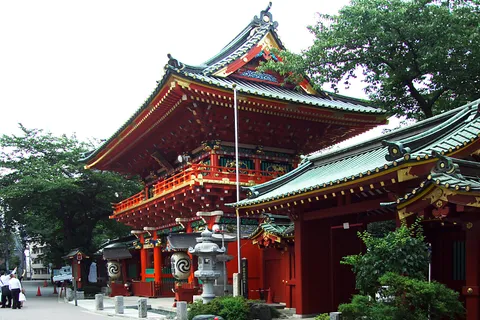
Hanazono Jinja was founded, according to tradition, in 1648 as an Inari shrine within a corner of a garden belonging to a lower estate of the Owari branch of the Tokugawa family. Because the garden was famed for its flowers in bloom, the shrine came to be called “Hanazono Inari” (“Flower Garden Inari”), the origin of its present name. Its principal deity is Ukanomitama no Mikoto, worshipped alongside Yamato Takeru no Mikoto and Ukemochi no Kami.
Ever since the Edo-period post town of Naito-Shinjuku was established nearby, Hanazono Jinja has served as the guardian shrine of Shinjuku, revered by the merchants and residents of the area. Its name and enshrined deities shifted several times over its long history: in 1928 it absorbed Raiden Inari Jinja, and in 1965 it merged Otori Jinja into its main hall, taking on its present name of Hanazono Jinja. The grounds are lined with dedications from entertainers, and the shrine remains a favorite destination for enka singers, actors, and directors to this day.
Highlights
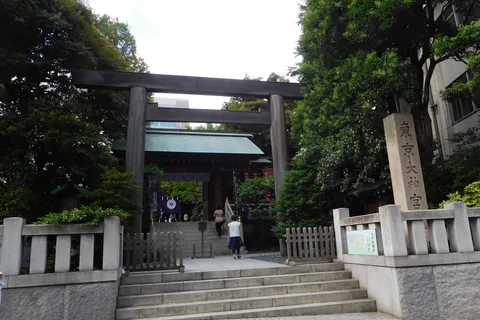
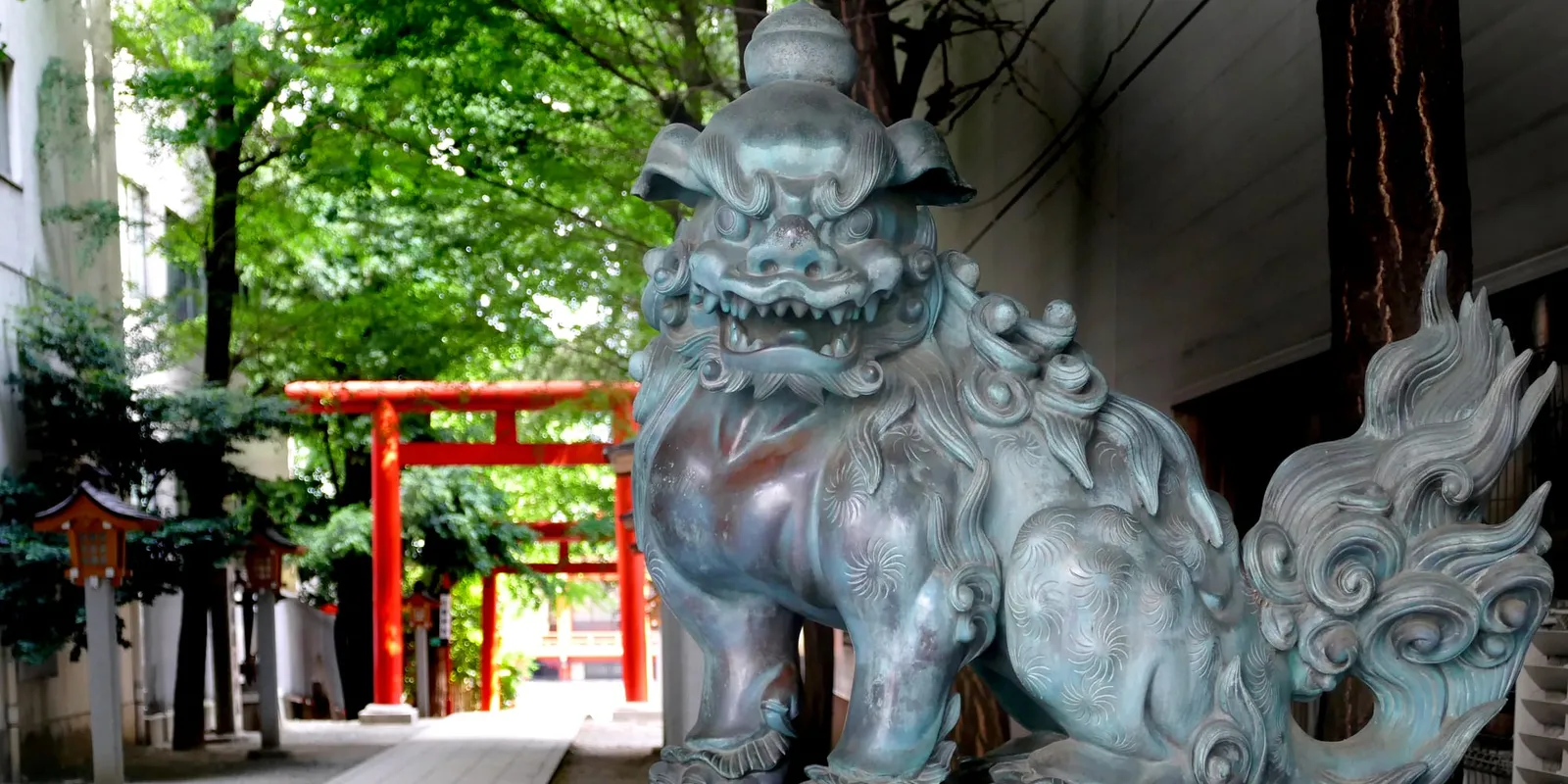
The single most striking thing about Hanazono Jinja is its location itself — right in the heart of Shinjuku’s entertainment district, a stone’s throw from Kabukicho. Step off the neon-lit, bustling streets and through the vermillion gate, and the grounds open into a hushed, sacred space — a dramatic contrast found at few other shrines in Tokyo.
Within the precinct, the Geino Asama Jinja sub-shrine sits atop a small Mt. Fuji mound and enshrines Konohanasakuyahime, believed to bless success in the performing arts; it draws a steady stream of entertainers seeking good fortune in their careers. The grounds are dotted with donor markers and memorial stones bearing the names of famous performers, offering a glimpse into Shinjuku’s deep ties to entertainment and show business.
Visiting Tips
The shrine grounds are compact, but thanks to their excellent access from Shinjuku Station, the shrine is a favorite spot to duck into on the way home from work or between sightseeing stops. The shrine office accepts goshuin requests until around 8 p.m., making an evening visit just as easy as a daytime one. It also makes a natural stop before or after exploring nearby Kabukicho or Golden Gai.
Annual Festivals
- Grand Festival (around May 28): The shrine’s largest annual celebration, fitting for the guardian shrine of Shinjuku.
- Nagoshi Purification Rite (June 30): Visitors pass through a great ring of woven grass to cleanse half a year’s impurities and pray for continued good health.
- Otori-sai / Tori no Ichi (Days of the Rooster in November): A festival tied to the legend of Yamato Takeru, drawing huge crowds who come to buy decorative bamboo rakes (kumade) for good fortune and business prosperity.
- Setsubun Festival (February 3): A lively bean-throwing ceremony known for the celebrities and entertainers who often take part.
Nearby Food & Sightseeing
- Golden Gai: A warren of tiny, retro bars just north of the shrine, packed into narrow alleys — a quintessential taste of Shinjuku nightlife.
- Kabukicho: Japan’s largest entertainment district, right next to the shrine, packed with cinemas, restaurants, and theaters.
- Isetan Shinjuku: A historic department store within walking distance, great for shopping or exploring its famous basement food hall before or after your visit.
Frequently Asked Questions
- Q. What are the visiting hours at Hanazono Jinja?
- A. The grounds are open to visitors at all times (the shrine office and goshuin reception are open roughly 8:00–20:00).
- Q. When can I get a goshuin, and how much does it cost?
- A. Goshuin are available at the shrine office roughly 8:00–20:00, for ¥500 (¥1,000 for the cut-paper kirie goshuin).
- Q. Is there parking at Hanazono Jinja?
- A. No, there is no parking for visitors on the grounds. Nearby pay parking lots are the best option.
- Q. Where exactly is Hanazono Jinja located?
- A. It sits right in the heart of Shinjuku's entertainment district, a stone's throw from Kabukicho. Its Geino Asama Jinja sub-shrine draws a steady stream of entertainers praying for success in the performing arts.
- Q. How do I get to Hanazono Jinja?
- A. Immediately outside Exit E2 of Shinjuku-sanchome Station (Tokyo Metro Marunouchi Line / Toei Shinjuku Line); about 7 minutes on foot from the east exit of JR Shinjuku Station.