History
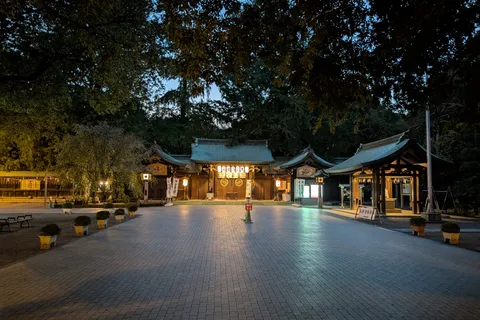
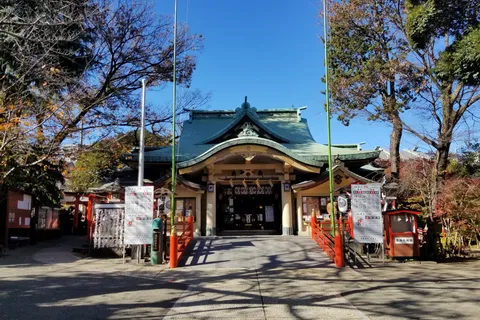
Kamimeguro Hikawa Shrine stands on a hill in Ohashi, Meguro, Tokyo, and is read “Kamimeguro Hikawa Jinja.” Meguro City’s cultural-property guide introduces it under the name “Ohashi Hikawa Shrine” and describes it as the guardian shrine of the former Kamimeguro village. The official site names Susanoo no Mikoto (the deity who drives away plague), Amaterasu Omikami (the sun deity) and Sugawara no Michizane (the deity of learning), and Meguro City likewise describes Susanoo as the main deity, with Amaterasu and Michizane also enshrined.
According to the history on the official site, in the Tensho era (1573–1592) the Kato family, retainers of Takeda Shingen of Kai Province, are said to have brought the local guardian deity from Uenohara to this place. The parishioners have long been said to be free of epidemics, and the shrine is now cherished as a god of warding off misfortune. The top page of the official site also carries a request for support of a project marking the 450th anniversary of the shrine’s enshrinement.
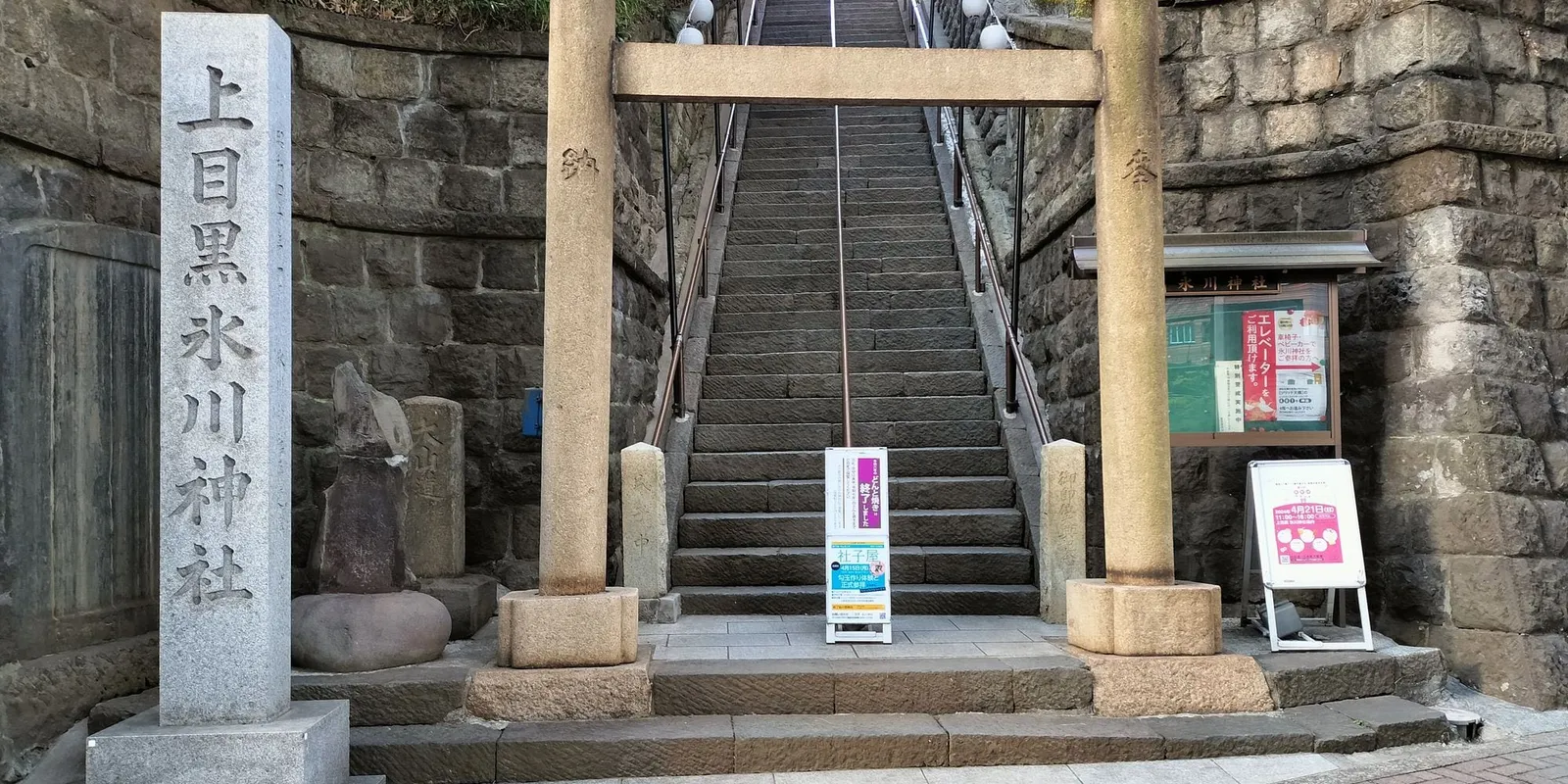
The old Oyama Road (Oyama Kaido, today’s Route 246 / Tamagawa-dori) runs nearby, and according to the official site the front stone steps were remodeled into their present form when the road was widened in 1905 (Meiji 38).
Highlights
Entering the approach from Route 246, a flight of stone steps runs straight up to the hilltop grounds. The official site says the steps are made of Komatsu stone and were built in 1816 (Bunka 13), and Meguro City notes that at the foot of the steps stand a monument recording the rebuilding of the steps and an 1842 Oyama Road milestone.
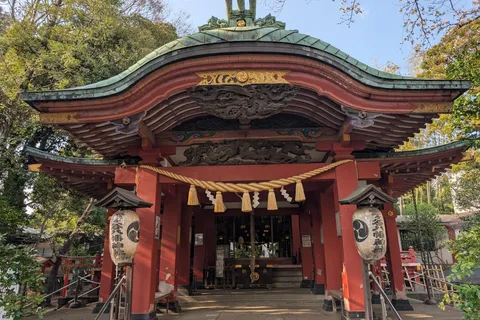
There are three subsidiary shrines in the grounds (per the official site). The Sengen Shrine enshrines Konohanasakuya-hime, a deity of fire prevention and safe childbirth, and was moved in 1878 from the Moto-Fuji mound at Mekirizaka. Moto-Fuji was a Fuji mound about 12 m high, built in 1812 (Bunka 9) by a local Fuji-ko group, and the group’s monument still stands in the grounds. The Inari Shrine enshrines Ukanomitama no Kami, a deity of farming and industry in general; its founding date is unknown, but because the hill was once called Inari-yama it is said to be older than the Hikawa Shrine. The Kitano Shrine enshrines Sugawara no Michizane as a deity of learning, and was merged into this shrine in 1908 (Meiji 41) according to the official site (the tourism association’s page gives Meiji 45, so records differ).
The official site also describes a sacred tree said to have been planted by a neighbor 150–200 years ago, which has grown to about 20 m tall with a trunk girth of over 5 m. A guide site presents the shrine as one that calms flooding of the Meguro River and wards off epidemics.
Visiting Tips
The official site does not state opening hours for the grounds, though some guide sites say the grounds are open freely. Prayer services run 9:00 AM–4:30 PM (reservation required, about 20 minutes each), and the official site asks visitors to dress appropriately for the Shinto rite. When it is busy, several groups may be prayed for together.
According to guide sites, goshuin are available, including seasonal and event-specific designs. One visit report gives the fee as ¥500, but the official site states no fee or hours, and some are said to be pre-written copies only, so it is best to check in advance.
It is about a 5-minute walk from the north exit of Ikejiri-Ohashi Station on the Tokyu Den-en-toshi Line. Some guide sites say there is no dedicated parking, so train or bus is recommended.
Annual Festivals
The official site’s annual-events page (a month-by-month calendar) lists the following. Dates can change from year to year.
- New Year’s visit (January 1) and Sagicho (mid-January)
- Setsubun festival (February 3)
- Inari Shrine Hatsuuma festival (the Day of the Horse in March): The official history says it is held with banners, together with parishioners and worshippers.
- Nagoshi no Oharae (June 30)
- Fuji Sengen Shrine grand festival (July 1): Held on the mountain-opening day, when parishioners climb the path together.
- Hikawa Shrine grand festival (the Saturday and Sunday closest to August 25): The official calendar shows a photo of a votive entertainment event. Meguro City’s list gives “the 4th Saturday and Sunday of August,” so the descriptions differ.
- Kitano Shrine grand festival (the Saturday and Sunday closest to September 15)
- Shichi-Go-San (November 15)
- Shiwasu Oharae (December 30)
- Monthly festival (the 1st and 15th of each month)
For the latest schedule and information on prayer services and rites, please check the official site or contact the shrine directly.
Nearby Food & Sightseeing
- Meguro Sky Garden: According to Meguro City, a park built on the roof of the Ohashi Junction of the Shuto Expressway (1-9-2 Ohashi, Meguro; opened in 2013). A loop path of about 400 m winds at heights of 11 m to 35 m above the ground. Check Meguro City’s official page for opening hours.
- Ikejiri Inari Shrine: An Inari shrine in Ikejiri, Setagaya, said to date from the early Edo period. It has its own page on this site.
- Meguro River: A guide site to the shrine recommends photographing the cherry blossoms along the Meguro River in season. The shrine is also described as one that calms the river’s flooding.
Frequently Asked Questions
- Q. What are the visiting hours?
- A. The official site does not state opening hours for the grounds (some guide sites say the grounds are open freely). Prayer services run 9:00 AM–4:30 PM, and the official site asks for advance reservations because the priests may be away at outside events. Requests outside those hours are handled by consultation. Guide sites mostly list the shrine office as 9:00 AM–4:30 PM.
- Q. Can I get a goshuin at Kamimeguro Hikawa Shrine?
- A. According to guide sites, yes. Regular goshuin and seasonal or event-specific designs are described, and a visit report from October 2023 gives the fee as ¥500. The official site, however, does not state a goshuin fee or hours, and some are said to be pre-written copies only, so please check with the shrine (03-3466-2507) before you go.
- Q. How do I get there, and is there parking?
- A. It is about a 5-minute walk from the north exit of Ikejiri-Ohashi Station on the Tokyu Den-en-toshi Line (official site). The official site also lists about 15 minutes on foot from Nakameguro and Komaba-Todaimae stations, about 18 minutes from Shibuya, and about 1 minute from the "Ohashi" Tokyu Bus stop. Parking is not mentioned on the official site, and some guide sites say there is no dedicated parking, so public transport is recommended. The approach is a steep flight of stone steps; one guide site mentions an elevator.
- Q. What is "Meguro Fuji"?
- A. It is the Fuji-Sengen climbing path to the Sengen Shrine inside the grounds, a legacy of Edo-period Mt. Fuji worship (fujizuka). According to the official site, the Sengen Shrine was moved in 1878 (Meiji 11) from the Moto-Fuji mound at Mekirizaka in Kamimeguro 1-chome, and the climbing path was built around 1975 by parish representatives. The entrance is on Route 246, between the shrine and a police box, and every July 1 parishioners climb the path together on the mountain-opening day and hold the Sengen Shrine's grand festival.
- Q. When is the annual festival?
- A. In the official annual-events calendar, the Hikawa Shrine grand festival is held on the Saturday and Sunday closest to August 25. Meguro City's list of shrine and temple festivals, however, gives "the 4th Saturday and Sunday of August," and dates can change, so please check before visiting. The grand festival of the Kitano Shrine on the grounds is listed for the Saturday and Sunday closest to September 15.
Plan Your Visit
Before you go, you can book a stay and get your shrine-visit items ready.
Amazon links open Amazon.co.jp (Japan) in English; whether an item ships overseas depends on the product.
※ Contains ads (PR). Links open external sites such as Amazon, Rakuten, Trip.com and Booking.com.