History
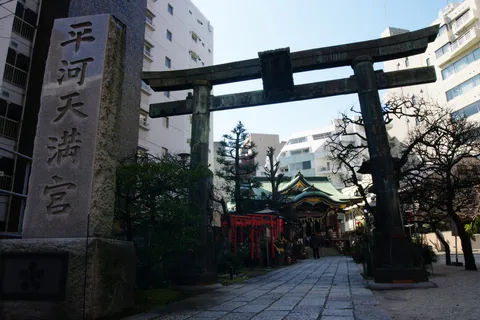
Onoterusaki Shrine stands in Iriya (Shitaya, Taito Ward), a downtown Tokyo neighborhood. Its deity is Ono no Takamura, an early-Heian-period poet, scholar, and court noble who is included in the “Ogura Hyakunin Isshu” anthology as “Sangi Takamura.” The official site calls him a “multi-artist” who excelled at both waka and Chinese poetry and was also versed in painting and law, and says he is revered as a god of learning, the arts, performing arts, and work. It adds that many books record a legend that, despite serving as a state councilor, he worked at night as an assistant to King Enma, the judge of the dead (a legend, of course).
According to the official site, the shrine was founded in 852 (Ninju 2) at Ueno Terasaki, the place where Takamura is said to have lived during his stay in eastern Japan (near today’s Rinno-den of Kan’ei-ji). It was later moved to its present site in Iriya when Kan’ei-ji was built; the official site records the move as September 19, 1625, a date still marked each year by the autumn grand festival. Some sources give 853 for the origin, so dates vary by source. In the late Edo period, Sugawara no Michizane, the god of learning, was brought from Ekoin as an accompanying deity; including the subsidiary shrines on the grounds, 15 deities are enshrined.
Highlights
The best-known feature of the grounds is the Fuji mound “Shitaya Sakamoto Fuji,” the sacred object of the subsidiary Sengen Shrine. A miniature Mt. Fuji built of lava rock, it is marked from the first station to the tenth, and the official site gives its size as about 15 m wide and about 6 m high (other sources say about 16 m wide and 5 m high). It is designated an Important Tangible Folk Cultural Property of Japan (reportedly in 1979). The shrine and the Taito Ward tourism site date its construction to 1782 (Tenmei 2), while some sources say 1828 (Bunsei 11), so the year varies by source. The gate is normally closed, and the mound can be climbed only on June 30 and July 1 each year.
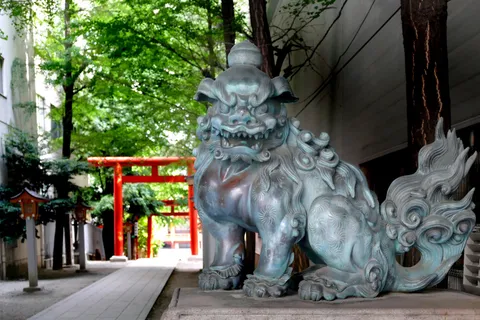
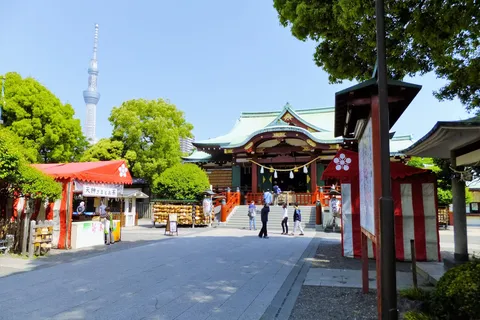
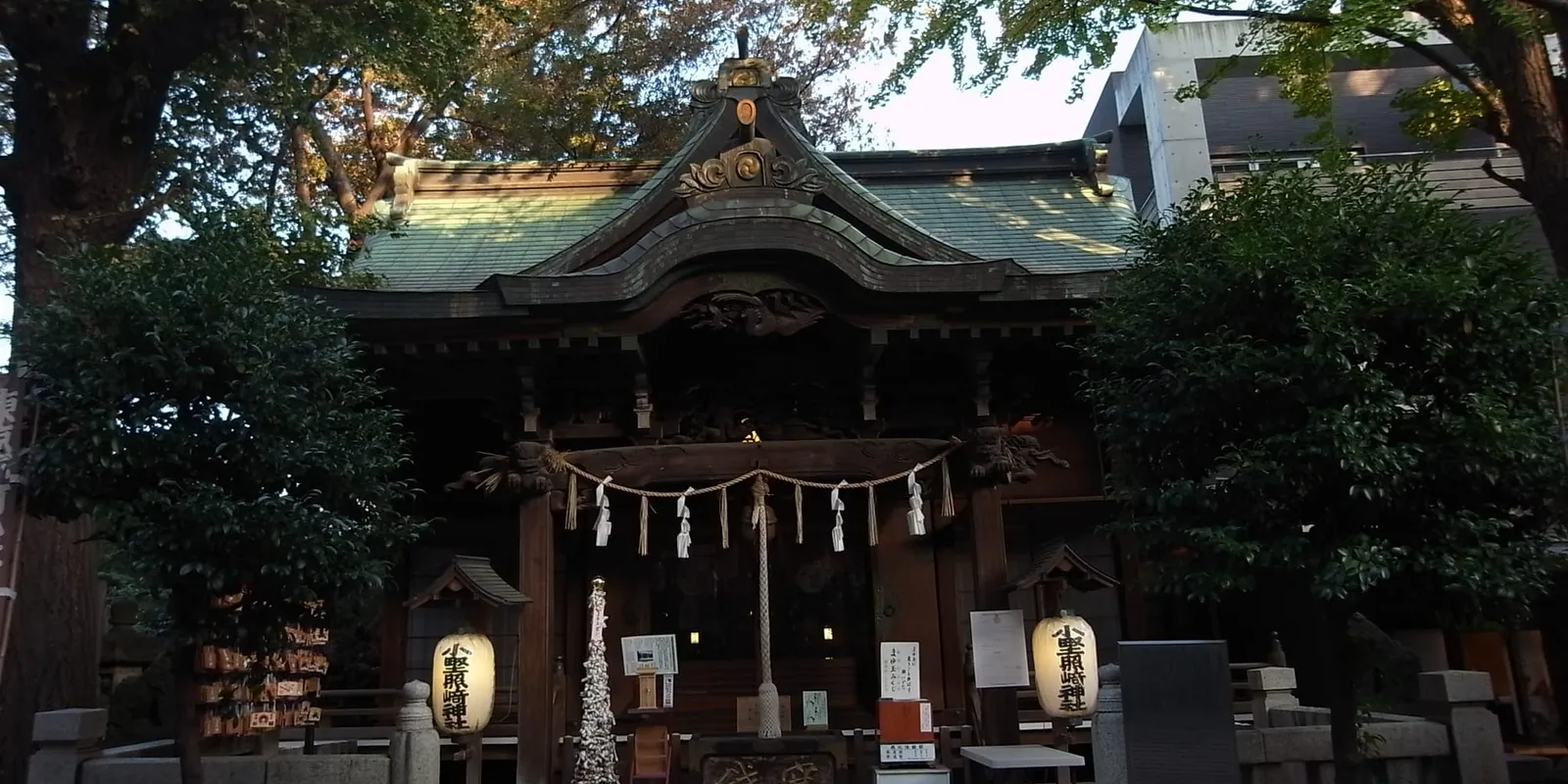
The main hall was built in 1866 at the end of the Edo period. According to the official site, it escaped fire twice, in the Great Kanto Earthquake and in the wartime air raids, and carvings of phoenixes, dragons, lions, and elephants remain under its eaves. The grounds also hold the Orihime-Inari Shrine (originally the local guardian “Chozaemon Inari,” later joined by Orihime Shrine, a deity of matchmaking), a Koshin mound with 11 stone towers moved from the Iriya Koshindo (the oldest dates to 1647), a monument to the go master Fujisawa Hideyuki, “mayu-dama” fortune slips made with silk cocoons, and more than 20 messenger-animal statues with differing expressions — a lot packed into a compact precinct.
On TV Tokyo’s “Shutsubotsu! Ad-machic Tengoku” (Adomachi), broadcast on Saturday, July 4, 2026, at 9:00 PM (the Iriya Kishimojin episode), the program’s official page lists Onoterusaki Shrine at No. 3. The page describes it as a shrine enshrining the poet Ono no Takamura, known as a god of the performing arts, and says many people come to give up something they love as a vow, inspired by an anecdote about the actor Kiyoshi Atsumi (an anecdote presented by the program, not an official explanation by the shrine).
Visiting Tips
The nearest station is Iriya Station on the Tokyo Metro Hibiya Line, about 3 minutes on foot from Exit 4. Uguisudani Station on the JR Yamanote Line is also walkable, about 7 minutes from the south exit (both per the official site). Parking on the grounds is only for visitors receiving a prayer service, and parking for anyone else is strictly refused, so please come by train.
The shrine office (amulets, charms, goshuin) is open 9:00 AM–4:00 PM. The goshuin come as two monthly designs with Japanese-painting illustrations, tied to the custom of monthly visits, and seasonal special goshuin have also been issued (designs and periods change, so the official site’s monthly notices are the surest guide). The official site does not state a price; a listing site gives ¥500, so please confirm the current fee at the office. Charms include the Geino Jotatsu Mamori for progress in the arts and hobbies, a work charm for career success, and exam-success and matchmaking charms.
Annual Festivals
- Nagoshi no Harae and Oyamabiraki (June 30 and July 1): These are the festival days of the Sengen Shrine on the grounds. Only on these two days does the gate of the Fuji mound “Shitaya Sakamoto Fuji” open for climbing. In 2026 it was open 11:00 AM–8:00 PM on June 30 (opening ceremony at 10:00 AM, Nagoshi purification rite at 4:00 PM) and 10:00 AM–8:00 PM on July 1 (per the official announcement; check each year).
- Grand festival (May, weekend nearest May 19): The shrine’s grand festival is said to be held on the weekend nearest May 19 (per Wikipedia and a guide article; details could not be confirmed on the official site). In the main-festival year, held every third year, the main mikoshi is carried through the parish; in the years between, neighborhood mikoshi gather at the shrine in a joint procession, according to those sources.
- Summer dance festival (weekend of Marine Day in July): Organized by the parishioners’ youth group, with a yagura tower and food stalls. In 2026 it ran July 18 and 19, 6:00–8:00 PM (per the official site).
- Autumn festival (September 19): The anniversary of the shrine’s move to its present site in Iriya, marked with a ceremonial rite. Around the autumn equinox, a lecture and gagaku court-music performance, “Ashikaga Gakko / Gagaku no Yube,” has been held (September 23 in 2026, free to attend).
- Shichi-go-san (late October to mid-November, mostly weekends): The official site invites families to choose a convenient day for their visit.
Nearby Food & Sightseeing
- Iriya Kishimojin (Shingen-ji): A Hokke-shu temple known through the saying “Osore Iriya no Kishimojin.” The Iriya Morning Glory Fair is held here every year from July 6 to 8. The July 4, 2026 Adomachi episode mentioned above was themed on Iriya Kishimojin, and Onoterusaki Shrine was No. 3 in that episode (per the program’s official page).
- Kan’ei-ji: A Tendai temple on Ueno hill. The official site says Onoterusaki Shrine originally stood at Ueno Terasaki near Kan’ei-ji’s Rinno-den and moved to Iriya when the temple was built, so it makes a good destination for tracing the shrine’s origins.
Frequently Asked Questions
- Q. When and where can I get a goshuin?
- A. At the shrine office during its hours (9:00 AM–4:00 PM, per the official site). The official site says two monthly goshuin with Japanese-painting illustrations are prepared, tied to the custom of monthly visits (tsukimairi). The official site does not state a price; a listing site gives ¥500, so please confirm the current fee at the office.
- Q. Is there parking?
- A. Parking on the grounds is only for visitors receiving a prayer service; the official site states that parking for anyone else is strictly refused. Going by train is best — it is about 3 minutes on foot from Exit 4 of Iriya Station (Tokyo Metro Hibiya Line).
- Q. When can I climb the Fuji mound (Shitaya Sakamoto Fuji)?
- A. The gate is normally closed. The mound can be climbed only on June 30 and July 1 each year, during the "Oyamabiraki" festival of the Sengen Shrine. In 2026 it was open 11:00 AM–8:00 PM on June 30 and 10:00 AM–8:00 PM on July 1 (per the official site's announcement; hours change by year, so check before you go). It is designated an Important Tangible Folk Cultural Property of Japan.
- Q. Which deities are enshrined here?
- A. The main deity is Ono no Takamura, an early-Heian-period poet and scholar whom the official site presents as a god of learning, the arts, performing arts, and work. In the late Edo period, Sugawara no Michizane, known as the god of learning, was brought from Ekoin as an accompanying deity, and including the subsidiary shrines on the grounds a total of 15 deities are enshrined.
- Q. Has the shrine been featured on TV?
- A. Yes. In TV Tokyo's "Shutsubotsu! Ad-machic Tengoku" broadcast on Saturday, July 4, 2026, at 9:00 PM (the Iriya Kishimojin episode), the program's official page lists Onoterusaki Shrine at No. 3. The page describes it as enshrining the poet Ono no Takamura, known as a god of the performing arts, and says many visitors come to give up something they love as a vow, inspired by an anecdote about the actor Kiyoshi Atsumi.
Plan Your Visit
Before you go, you can book a stay and get your shrine-visit items ready.
Amazon links open Amazon.co.jp (Japan) in English; whether an item ships overseas depends on the product.
※ Contains ads (PR). Links open external sites such as Amazon, Rakuten, Trip.com and Booking.com.