History
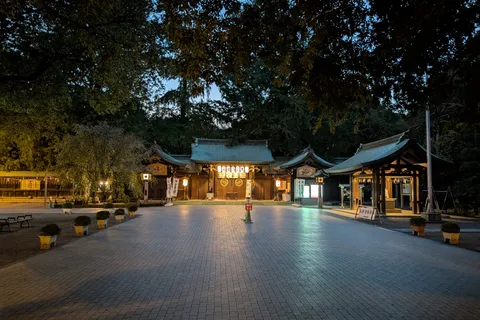
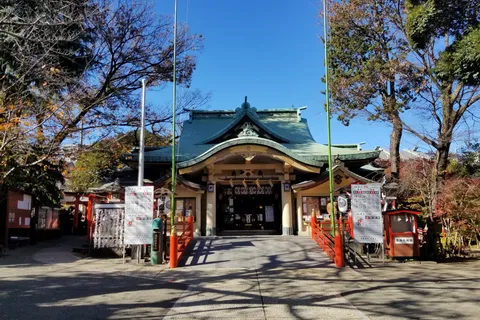
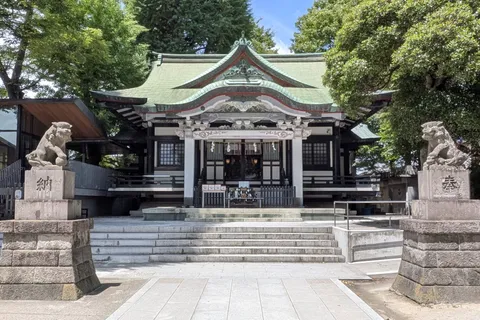
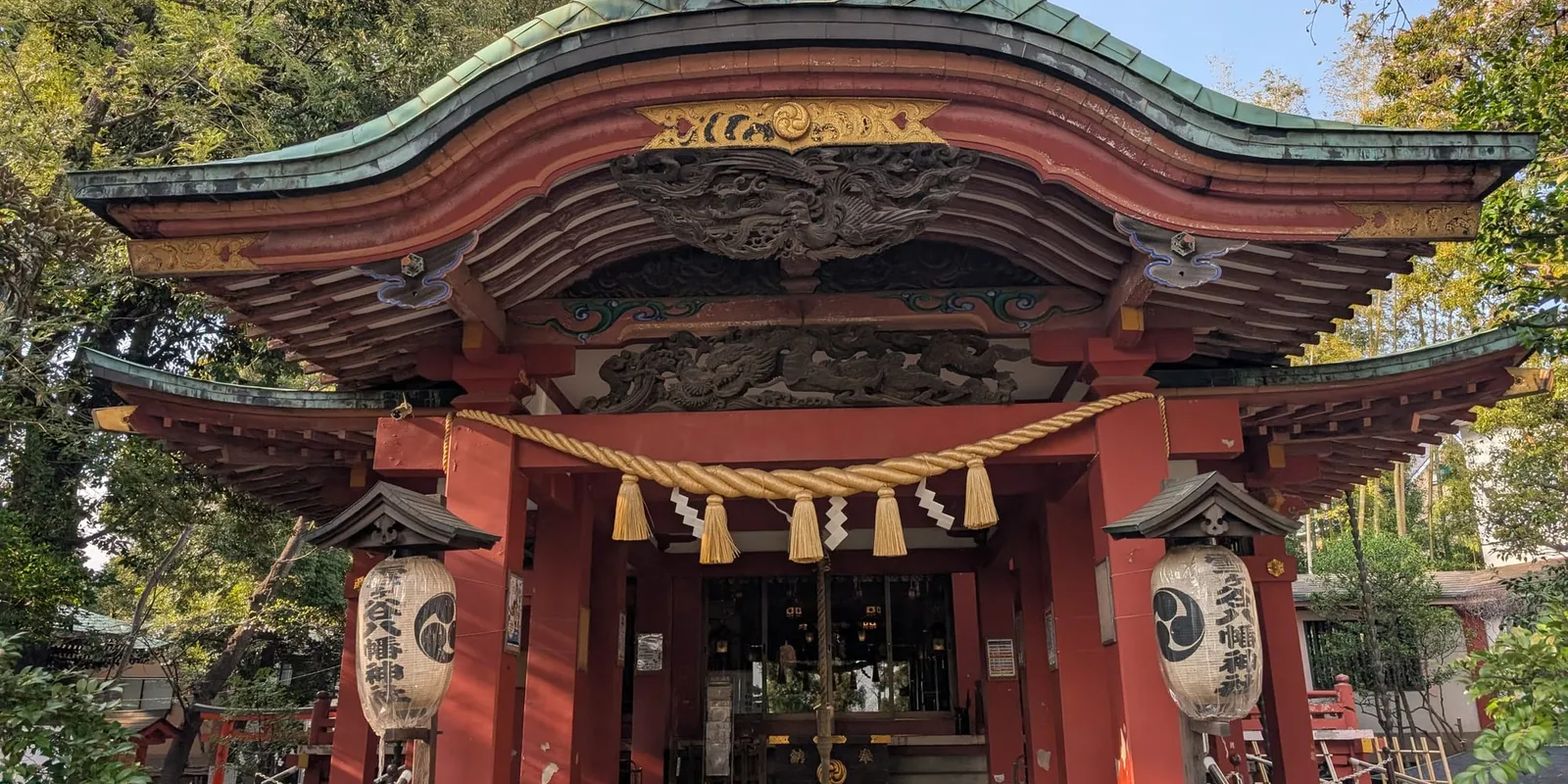
Yukigaya Hachiman Shrine stands in Higashi-Yukigaya in Tokyo’s Ota Ward. Its official site describes it as the chief guardian shrine of Yukigaya, affectionately known as “Hachiman-sama.” The enshrined deity is Hondawake no Mikoto (Emperor Ojin), and its parishioners come from six neighborhood associations: Kibogaoka, Higashi-Yukigaya Higashinaka, Higashiyuki, Sasamaru, Yukigaya-Ishikawadai and Minami-Yukigaya.
According to shrine tradition, it was founded in the Eiroku era (1558–1569). Ota Shinrokuro, a retainer of Hojo Ujiyasu (said to be a great-grandson of Ota Dokan), unearthed an old stone monument carved with a Lotus Sutra mandala while touring the area, and took it as an auspicious omen to enshrine Hachiman Dai Bosatsu. In the Edo period, the nearby temples Chokei-ji and Encho-ji are said to have served as its administering temples.
The buildings were destroyed in the air raids of May 1945, and thanks to the efforts of parishioners and devotees, the present shrine was completed in August 1959.
Highlights
Shusse-ishi (Stone of Success): The most popular feature of the grounds is the stone donated by the Showa-era yokozuna Taiho. According to the official site, it bears handprints, and children are said to marvel at it. Taiho reportedly wrestled local children here when he was a young, lower-ranked wrestler, and after becoming yokozuna he took part in the shrine’s setsubun festival every year.
Koshin monuments: Seven stone Koshin monuments stand behind the main hall, and they are designated a cultural property of Ota Ward. People of Yukigaya Village set them up between 1681 and 1857, and they were later gathered here from various places in the village. Some also served as road markers, and some are in the Nichiren-sect style. The official site notes that on Koshin nights people stayed awake all night and made offerings to the deity Sarutahiko.
Chikara-ishi (strength stone): To the left of the main hall is a stone the village’s young men are said to have used in contests of strength. It weighs about 40 kan (roughly 150 kg).
Subsidiary shrines: Visitor accounts and guide sites mention subsidiary shrines in the grounds such as Yaku, Inari, Tenjin, Kato, Sarutahiko and Sui (water) shrines (the descriptions of their layout differ between sources). The official event calendar also lists a Tenjin festival (January 25) and a Water God festival (February 11).
On TV: The shrine was featured on TV Tokyo’s “Shutsubotsu! Ad-machic Tengoku” in its September 9, 2023 (Saturday) broadcast on the Yukigaya-Otsuka area, where the program’s official page lists “Yukigaya Hachiman Shrine & Ontake Shrine” together at No. 3. The page is headed “The guardian shrine watching over the town” and mentions the shrine’s founding in the 16th century and that Taiho donated the Shusse-ishi (the information is described as current at the time of broadcast). Please note that this was a 2023 broadcast.
Visiting Tips
This is a neighborhood guardian shrine in a residential area, with stone steps in the grounds. After paying your respects you can take your time looking at the Koshin monuments, the strength stone and the Shusse-ishi. Please take care not to disturb other worshippers or local events.
Goshuin: Available at the shrine office (according to Hotokami and other listings). One guide article gives the fee as ¥500, but neither the amount nor the office hours could be confirmed on the official site. Pre-written goshuin have been issued, and limited-edition goshuin are said to appear at events such as the autumn festival. Details can change, so it is safest to call the shrine office (03-3728-0753) before visiting.
Access: It is about a 2-minute walk from Ishikawadai Station on the Tokyu Ikegami Line (per the official site). The Ad-machic feature area was “Yukigaya-Otsuka,” but the shrine’s nearest station is Ishikawadai.
Parking: A parking area for worshippers is available. The official site notes it may be unavailable during shrine events.
Annual Festivals
The main events on the official calendar are:
- Ganjitsu-sai New Year’s Day rite (January 1) and Shogatsu-sai (January 15)
- Tenjin festival (January 25)
- Setsubun eve rite (the day before Setsubun)
- National Foundation Day rite and Water God festival (February 11)
- Doll Gratitude Festival (mid-March)
- Isshin Naki Sumo (April 29): A “crying sumo” event praying for the healthy growth of babies.
- Summer Great Purification (June 29): Includes passing through a ring of reeds (chinowa).
- Reitaisai annual grand festival (a Saturday and Sunday in mid-September): A major autumn festival. In 2026 it fell on September 19 (Sat) and 20 (Sun), with the eve festival on Saturday and Shinto rites on Sunday, festival music by the Yukigaya Hayashi Preservation Society, and the portable shrines of the six parishioner neighborhood associations carried into the shrine.
- Shichi-go-san visits (late October to late November)
- Niiname-sai harvest festival (November 23)
- Year-end Great Purification (December 30) and New Year’s Eve rite (December 31)
Nearby Food & Sightseeing
- Ontake Shrine: A separate shrine in Minemachi, Ota Ward, listed together with Yukigaya Hachiman Shrine in the same No. 3 entry on the TV program’s page. The page describes it as a mountain-faith shrine dedicated to Mt. Ontake in Kiso, Nagano, whose hall, built in Tenpo 2, has detailed carvings. The distance from Yukigaya Hachiman Shrine has not been confirmed, so please check a map before heading over.
- Katsu Kaishu Memorial Hall: A facility listed among the historic sites of the Yukigaya-Senzoku area on Ota Ward’s history and sites guide (opening days and distance are unconfirmed, so please check Ota Ward’s information before visiting).
Frequently Asked Questions
- Q. What is the Shusse-ishi ("Stone of Success")?
- A. It is a stone donated to the grounds by the Showa-era yokozuna Taiho. According to the shrine's official site, it bears a set of handprints and was given as thanks for his success. He is said to have wrestled local children here when he was still a young, lower-ranked sumo wrestler, and the site says he took part in the shrine's setsubun festival every year after becoming yokozuna.
- Q. Are the Koshin stone monuments in the grounds a cultural property?
- A. Yes. Ota Ward's website lists the "Koshin Kuyoto group (Yukigaya Hachiman Shrine)" as a ward-designated cultural property. It consists of seven monuments set up by the people of Yukigaya Village between 1681 and 1857, some of which also served as road markers and some of which are in the Nichiren-sect style. They once stood at various places in the village and were later gathered at the present site.
- Q. Can I get a goshuin?
- A. Yes, at the shrine office (according to Hotokami and other listings). One guide article gives the fee as ¥500, but the amount and the office hours could not be confirmed on the official site, so please call the shrine office (03-3728-0753) before visiting.
- Q. When is the annual grand festival?
- A. According to the official site, it is held on a Saturday and Sunday in mid-September every year. In 2026 it fell on September 19 (Sat) and 20 (Sun). The eve festival takes place on Saturday and the main Shinto rites on Sunday, with festival music by the Yukigaya Hayashi Preservation Society and the portable shrines of the six parishioner neighborhood associations being carried into the shrine.
- Q. Has the shrine been featured on TV?
- A. Yes. In the September 9, 2023 (Saturday) broadcast of TV Tokyo's "Shutsubotsu! Ad-machic Tengoku" on the Yukigaya-Otsuka area, the program's official page lists "Yukigaya Hachiman Shrine & Ontake Shrine" together at No. 3. The page mentions the shrine's founding in the 16th century and that Taiho donated the Shusse-ishi stone.
Plan Your Visit
Before you go, you can book a stay and get your shrine-visit items ready.
Amazon links open Amazon.co.jp (Japan) in English; whether an item ships overseas depends on the product.
※ Contains ads (PR). Links open external sites such as Amazon, Rakuten, Trip.com and Booking.com.