History
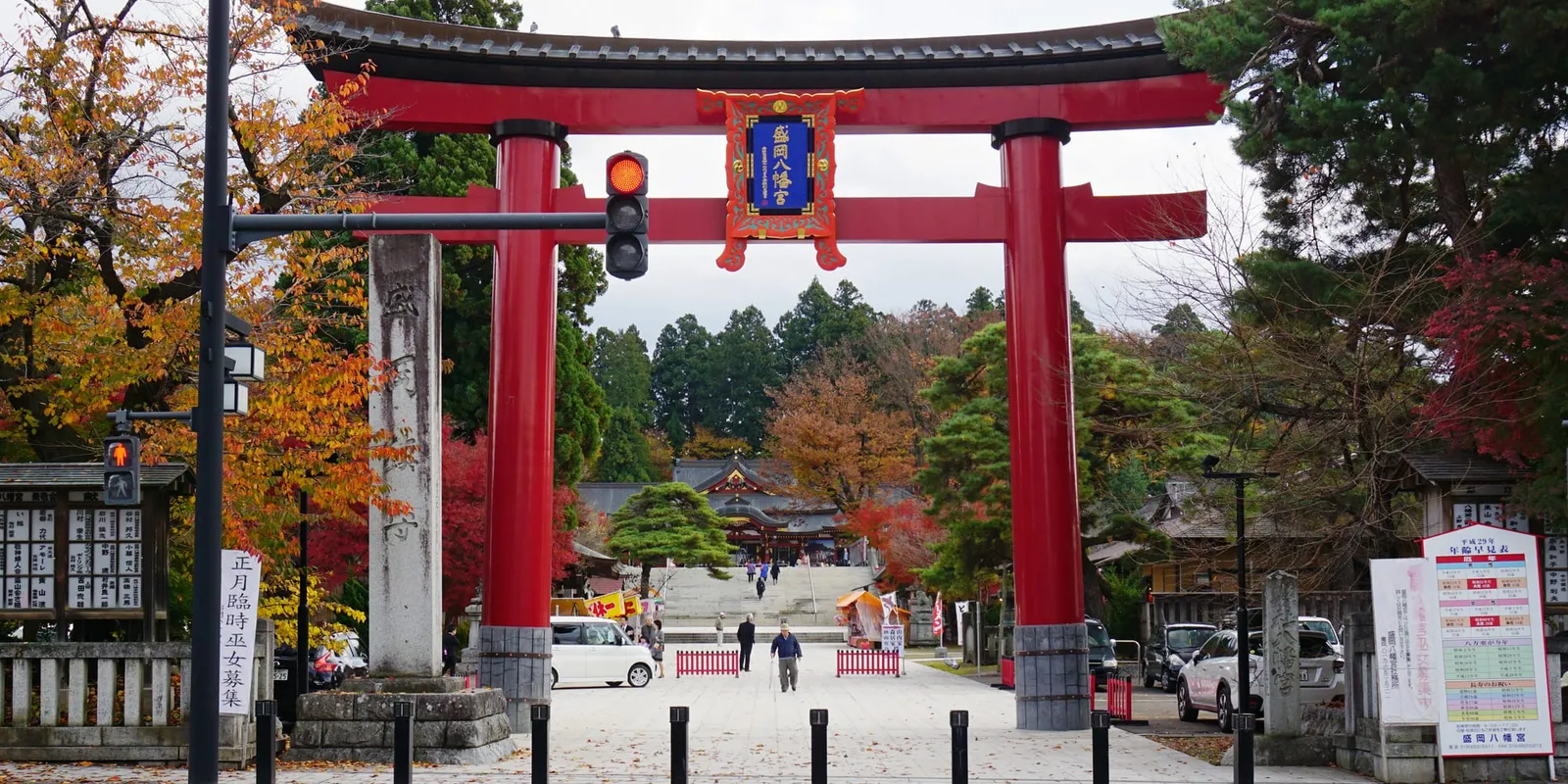
Morioka Hachimangu was founded in 1680 (Enpo 8) by Nanbu Shigenobu, the 29th lord of the Nanbu domain. Its enshrined deity, Homuda Wake no Mikoto (Emperor Ojin), has long been worshipped as the source of agriculture, industry, commerce, scholarship, and daily life itself, and the shrine has served ever since as the sokochinju — the citywide guardian shrine — watching over the people of Morioka.
Over the centuries the shrine buildings suffered repeated damage from fire and harsh weather and were rebuilt again and again, most notably after the great Morioka fire of 1884 (Meiji 17), which badly damaged the shrine. After a long history of reconstruction, the current vermilion main hall was rebuilt as the “Shin-Hachimangu” (New Hachimangu) and completed in December 1997. Its dazzling structure, adorned with vividly colored carvings, has since become a new symbol of the city of Morioka.
Highlights
The greatest highlight of Morioka Hachimangu is the vermilion main hall and worship hall reborn in the Heisei-era reconstruction, their surfaces covered in vividly colored carvings well worth a close look. The spacious grounds are also home to subsidiary shrines such as Kasuga Inari Jinja and Shinmeisha, along with statues connected to Morioka’s history — including one of Emperor Meiji and another of Yonai Mitsumasa, a Morioka native who served as the last Navy Minister and as prime minister of Japan.
Morioka Hachimangu is also known as the finish line of Chagu Chagu Umakko, in which colorfully decorated farm horses parade roughly 14 kilometers from Onikoshi Sozen Jinja in the city of Takizawa. Every June, the horses arrive at Morioka Hachimangu at the end of their journey through the streets of Morioka, their bells ringing all the way, drawing large crowds to greet them.
Visiting Tips
The grounds are open to visitors around the clock, and goshuin stamps can be received at the shrine office from 9:00 to 17:00 for a fee of ¥500. Free parking for about 250 cars is available on the grounds, though it gets very crowded during the first three days of the New Year — using public transportation or nearby paid lots is worth considering at that time. The grounds are also busy during the September Reitaisai festival, so it’s best to allow extra time when visiting then.
Annual Festivals
- Chagu Chagu Umakko (second Saturday in June): About 80 colorfully outfitted farm horses parade roughly 14 kilometers from Onikoshi Sozen Jinja in Takizawa to Morioka Hachimangu, a designated Important Intangible Folk Cultural Property. The sound of their bells echoing through the streets of Morioka is a beloved sign of early summer.
- Reitaisai Grand Festival (September 14–16): The most important festival of the year at Morioka Hachimangu, featuring a mikoshi procession and a children’s parade over three days of rites.
- Morioka Autumn Festival float procession (held alongside the Reitaisai): Said to trace back to 1709, this tradition sends gorgeously decorated floats depicting kabuki scenes and famous historical moments parading through the city, designated an Intangible Folk Cultural Property of Iwate Prefecture.
- Yabusame (September 16): A Nanbu-style mounted archery ritual held to close out the Reitaisai, in which riders shoot arrows at targets while galloping at full speed.
- New Year’s Festival and Hatsumode (January 1–3): One of Iwate Prefecture’s most popular hatsumode spots, drawing large crowds for the first three days of the year.
Nearby Food & Sightseeing
- Morioka Castle Ruins Park: A park built on the former site of Morioka Castle, seat of the Nanbu clan, where surviving stone walls make for a popular historical stroll.
- Chokuriian: A long-established soba restaurant founded in 1884, known for Morioka’s famous all-you-can-eat “wanko soba.”
- Daidoen Morioka Sohonten: Founded in 1965, this celebrated restaurant is known for its handmade Morioka reimen (cold noodles).
Frequently Asked Questions
- Q. What are the visiting hours?
- A. The grounds are open to visitors 24 hours a day.
- Q. When is the goshuin office open?
- A. 9:00–17:00, for ¥500.
- Q. Is there parking?
- A. Yes, free parking for about 250 cars is available on the grounds (very crowded during the first three days of the New Year).
- Q. What is "Chagu Chagu Umakko"?
- A. An annual June event where about 80 colorfully decorated farm horses parade roughly 14 km, finishing at Morioka Hachimangu — designated a National Important Intangible Folk Cultural Property.
- Q. How do I get there?
- A. About an 8-minute walk from the Morioka Bus Center bus stop, reached by bus from the east exit of JR Morioka Station.
Related Shrines
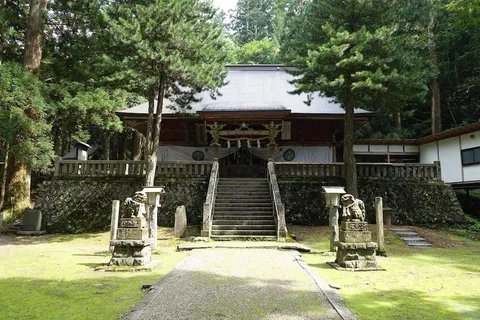
Iwate, Ohasama, Hanamaki
Hayachine Jinja
Hayachine-jinja
- Bountiful Harvest
- Household Safety
- Purification & Warding Off Misfortune
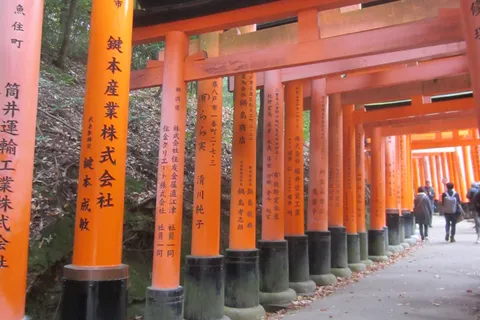
Kyoto Prefecture, Fushimi-ku, Kyoto
Fushimi Inari Taisha
Fushimi Inari Taisha
- Business Prosperity
- Bountiful Harvest
- Household Safety
Hokkaido, Chuo-ku, Sapporo
Hokkaido Jingu
Hokkaidō-jingū
- Success in New Ventures
- Household Safety
- Business Prosperity