History
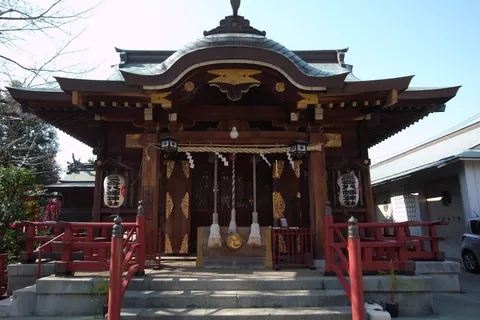
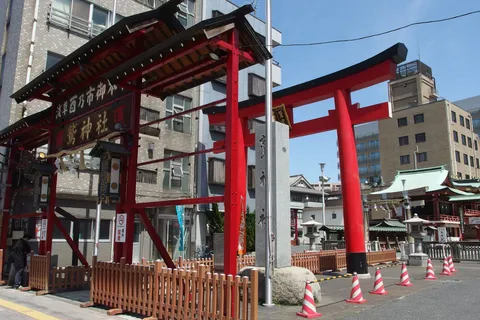
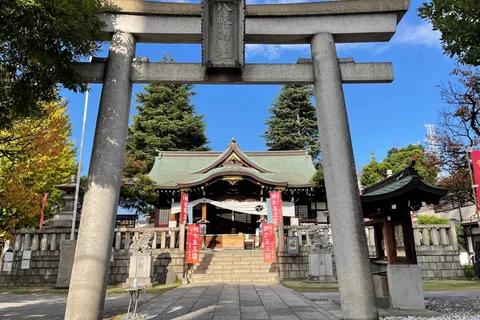
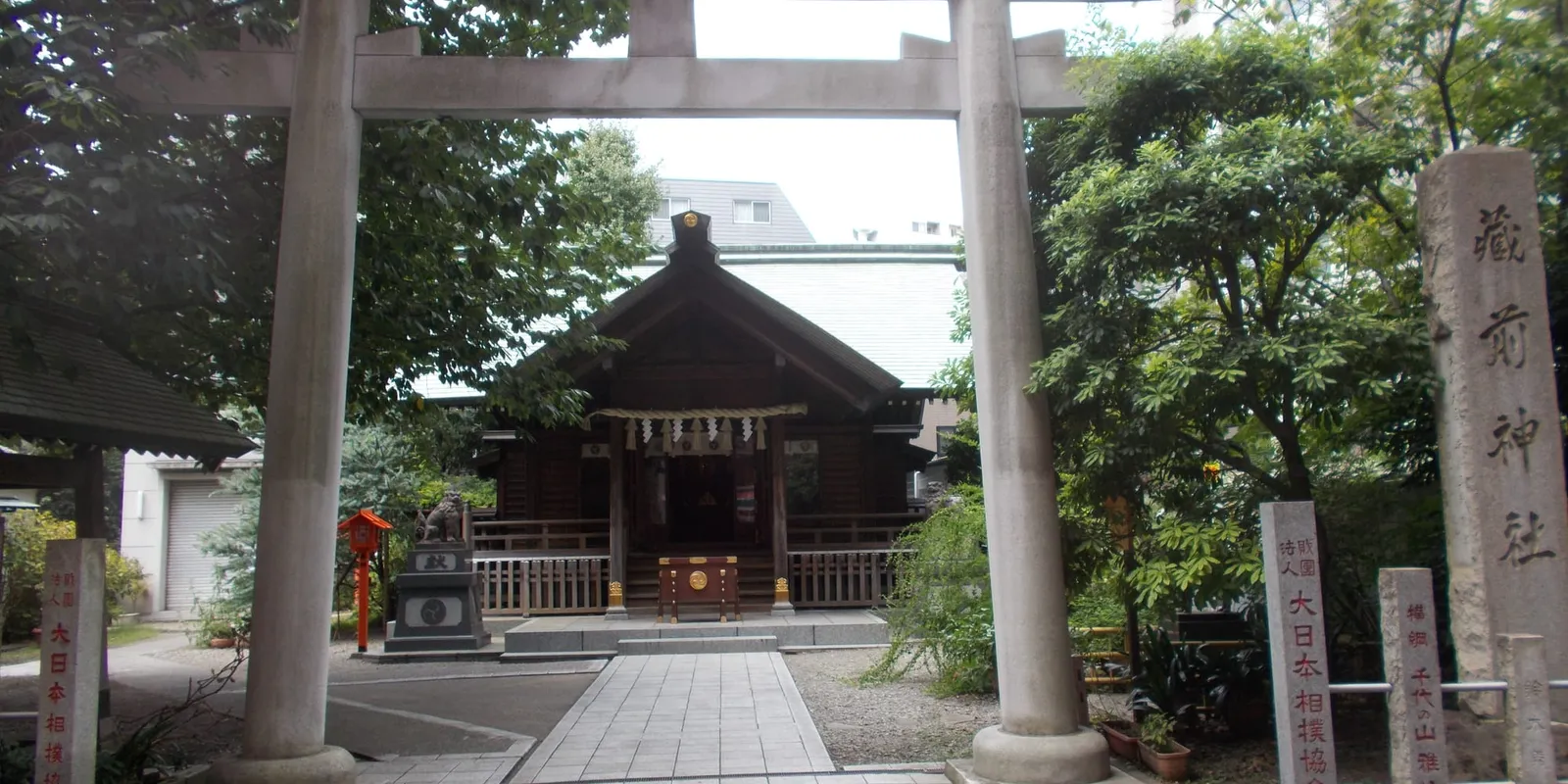
Kuramae Shrine stands in Kuramae 3-chome, Taito, Tokyo, and is read “Kuramae Jinja.” The official site mostly writes the name as 藏前神社 and also uses 蔵前神社. According to the official history, it began on August 5, 1693 (Genroku 6), when the fifth shogun Tokugawa Tsunayoshi invited Iwashimizu Hachimangu of Otokoyama, Yamashiro Province (Kyoto), to this site. It was originally named “Iwashimizu Hachimangu” and was revered as a guardian against the unlucky northeast direction (kimon) of Edo Castle and as one of the Tokugawa family’s prayer shrines, said to have received a 200-koku grant of land. In the Edo period it was also called “Kuramae Hachiman” and “Higashi Iwashimizu-gu,” and was popular with ordinary people.
The official site says a fire about 39 years after its founding moved it to Mishima-cho in Asakusa, and that it returned to the original Kuramae site in 1744 (Enkyo 1). The Meiji-era separation of Shinto and Buddhism abolished its administering temple, Daigo-in; it became a gosha-rank shrine in 1873 and, after several name changes, became “Kuramae Shrine” in 1951. Its buildings were lost in the 1923 Great Kanto Earthquake and in the wartime fire of 1945. In 1947 it merged with the neighboring Inari shrine and with Kitano Tenmangu (enshrined together), and in 1995 Shiogama Shrine was enshrined, according to the official site.
The six enshrined deities are Emperor Ojin, Empress Jingu, Hime no Okami, Ukanomitama no Mikoto, Sugawara no Michizane and Shiotsuchi no Okina no Mikoto. The official site lists its blessings as warding off misfortune and bad luck, household safety, traffic safety, business prosperity, academic success, and safe childbirth and child-rearing.
Highlights
The precincts include the auxiliary Fukutoku Inari Shrine (enshrining Ukanomitama no Mikoto; its festival is on the first day of the horse in February), the purification pavilion and the mikoshi storehouse. According to the official precincts page, the guardian dogs (komainu) were donated in 1955, and their pedestal was rebuilt in granite in 2010 because of damage. The official rakugo page introduces “Motoinu” as a story set at Kuramae Hachiman, and the precincts hold a “Motoinu” statue.
The main portable shrine (mikoshi) is a signature work of the master craftsman Shibu Keisai, made in 1955. The official site describes it as especially splendid even among Edo-style mikoshi and of high value as a cultural property. The four guardian beasts are carved on the openwork panels of its body, and the twelve zodiac animals on its base.
The official site also tells stories from the shrine’s history. In the spring of 1824 (Bunsei 7), a ritual of “votive strongmen” (hono chikaramochi), in which amateur strongmen showed feats of strength, was held at what was then “Gokuramae Hachimangu,” and Utagawa Kuniyasu is said to have depicted it in color woodblock prints. On December 14, 1702 (Genroku 15), just before the raid, Sato Joemon, a cousin of Horibe Yasubei, is said to have visited to pray for the raid’s success (the official site notes that the details are unknown). The site also carries a contribution by Sakatani Tetsunen seeing North Star and Big Dipper beliefs in Edo’s city planning, presenting the idea that this shrine is one of the Big Dipper’s stars as the author’s own interpretation.
Visiting Tips
Per the official site, prayer services run 9:00 AM–4:00 PM (normally) and the shrine office receives visitors 9:00 AM–4:00 PM. Opening hours for the grounds are not stated, so daytime is best. There is no dedicated parking and the shrine asks visitors to use the adjacent coin parking, so going on foot or by train is convenient.
The goshuin costs ¥500. Hand-written ones are available 9:30 AM–1:30 PM and pre-written ones from 9:30 AM until they run out; only pre-written goshuin are offered at New Year and, per the site, “from May 1 for the time being.” The official news page also carries notices of a seasonal paper-cut goshuin (spring 2026) and of the end of distribution of the flower paper-cut goshuin, so what is available can change. Amulets (omamori) are ¥500 each per the official site, and wooden and paper ofuda are also available.
It is about a 2-minute walk from Exit A6 of Kuramae Station on the Toei Oedo Line or Exit A4 of Kuramae Station on the Toei Asakusa Line.
Annual Festivals
- Grand Festival (first Saturday and Sunday of June): The official history page gives “the first Saturday and Sunday of June.” The main mikoshi procession, suspended after 2019 because of the pandemic, was held again in 2025, according to the official site. Check the official news page for details each year.
- Fukutoku Inari Shrine festival (first day of the horse in February): The festival of the auxiliary shrine in the precincts (official site).
- Setsubun Festival: The official news page carries Setsubun festival notices (a Reiwa 7 notice was seen). Check the news page for each year’s date.
Dates and details of events can change from year to year.
Nearby Food & Sightseeing
The name “Kuramae” comes from the shogunate’s rice storehouse, the Asakusa Okura, according to the Japanese Wikipedia.
- Dairokuten Sakaki Shrine: Another shrine in Kuramae. According to the Japanese Wikipedia, it moved to its present site from Torigoe in 1928.
- Kuramae Mizu no Kan: According to the Japanese Wikipedia, this facility, together with a sewage pumping station, stands on the site of the former Kuramae Kokugikan (completed in 1954, used for sumo and other events until the move to Ryogoku in 1984).
- Kuramae Bridge: A bridge over the Sumida River, built in 1924 according to the Japanese Wikipedia.
Frequently Asked Questions
- Q. What are the visiting hours of Kuramae Shrine?
- A. The official site gives 9:00 AM–4:00 PM (normally) for prayer services and for shrine office reception. Opening hours for the grounds themselves are not stated on the official site, so visiting during the day, while the shrine office is open, is the safe choice.
- Q. Can I get a goshuin, and how much is it?
- A. Yes. The official goshuin page lists the offering at ¥500. Hand-written goshuin are available 9:30 AM–1:30 PM, and pre-written ones from 9:30 AM until they run out. The site says only pre-written goshuin are offered at New Year and "from May 1 for the time being," and the office may be unstaffed at times, so it is best to check the news page on the official site before you go.
- Q. How do I get to Kuramae Shrine, and is there parking?
- A. It is about a 2-minute walk from Exit A6 of Kuramae Station on the Toei Oedo Line or Exit A4 of Kuramae Station on the Toei Asakusa Line (official site). From the "Kuramae-eki-mae" Toei Bus stop it is about 1 minute on foot. There is no dedicated parking; the shrine asks visitors to use the adjacent coin parking.
- Q. Is the shrine connected to the rakugo story "Motoinu"?
- A. The rakugo page on the official site lists "Motoinu" and "Onomatsu" among stories set in the precincts of Kuramae Hachiman. "Motoinu" is described as the tale of a white stray dog in the precincts who wishes to become human and, after a 21-day barefoot pilgrimage, wakes up in human form. A "Motoinu" statue is mentioned on the official precincts page.
- Q. When is the grand festival (Reitaisai)?
- A. The official history page gives the grand festival as "the first Saturday and Sunday of June." The festival of the Fukutoku Inari Shrine in the precincts is held on the first day of the horse (hatsuuma) in February. The official site also says the main portable shrine (mikoshi) procession, suspended after 2019 because of the pandemic, was held again in 2025. Check the official news page for details each year.
Plan Your Visit
Before you go, you can book a stay and get your shrine-visit items ready.
Amazon links open Amazon.co.jp (Japan) in English; whether an item ships overseas depends on the product.
※ Contains ads (PR). Links open external sites such as Amazon, Rakuten, Trip.com and Booking.com.