History
Motonosumi Jinja is said to have been founded in 1955 after a white fox appeared at the bedside of Okamura Hitoshi, a local fishing boat owner. According to the story, on the very night a nearby shrine had approached him about enshrining the Inari deity on this land, the fox spoke to him, saying, “Enshrine me here, and I will surely answer your sincerity.” Moved by this message, the Okamura family funded the shrine themselves, inviting a divided spirit from Taikodani Inari Shrine in Shimane Prefecture to found what would become Motonosumi.
Originally known as Motonosumi Inari Shrine, it drew a surge of international visitors after CNN named it one of “Japan’s 31 Most Beautiful Places” in 2015. Because the longer original name proved difficult for overseas visitors to read, the shrine was renamed to its current, shorter form, Motonosumi Jinja, in January 2019.
Notably, the shrine remains a privately run religious site to this day, cared for by the Okamura family who founded it, and it is not affiliated with the Association of Shinto Shrines. Perched on a dramatic bluff overlooking the Sea of Japan, it has long been venerated by local fishing communities as a guardian of business prosperity, abundant catches, and maritime safety, and in recent years it has also become widely known as a power spot for good relationships and good fortune.
Highlights
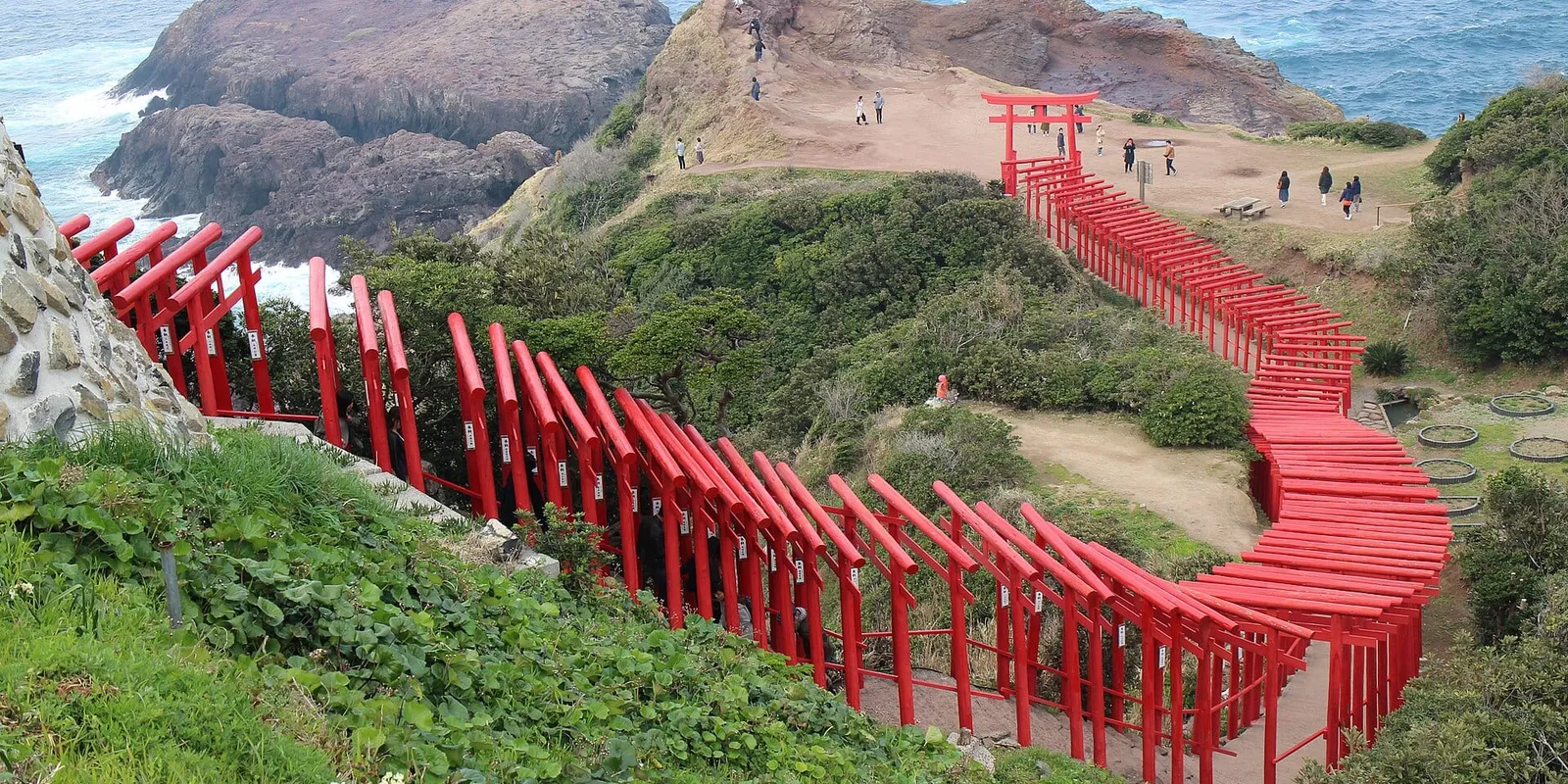
The shrine’s centerpiece is its 123 vermillion torii gates, donated over a ten-year period beginning in 1987. They form an unbroken line stretching more than 100 meters from “Ryugu-no-Shiofuki,” a blowhole in the coastal rocks, up the hillside to the shrine building, creating a vivid tunnel of red set against the blue of the Sea of Japan and the green of the surrounding grass. It was this scene that CNN featured in 2015, launching the shrine to worldwide fame.
At the top of the large torii marking the exit of the approach, an offering box is mounted roughly 6 meters above the ground — earning it a reputation as “the hardest offering box in Japan to hit.” Visitors toss coins upward from below, and landing one in the box is said to grant a wish, a challenge many take on during their visit. Just beside the torii gates lies Ryugu-no-Shiofuki, a nationally designated natural monument where waves force seawater high into the air through a crack in the rocks — another highlight of any visit.
Visiting Tips
Because public transportation cannot easily reach the shrine, arriving by car is the standard approach. If “Motonosumi Jinja” isn’t recognized by your car navigation system, setting the neighboring “Ryugu-no-Shiofuki” or a nearby restaurant as your destination will help avoid getting lost. The surrounding road is a single lane in each direction and also carries large tour buses, so it gets congested on weekends and holidays — visiting in the morning, when it’s relatively quiet, is recommended. The approach climbs a slope through the torii tunnel, and photographers say the light is at its best from morning until around noon, when the angle of the sun brings out the vivid colors.
Annual Festivals
- New Year’s Visit (January 1–3): The busiest period of the year for the shrine. Even in seasons when visiting is normally limited mostly to weekdays, the shrine opens daily through the New Year period, including weekends and holidays, drawing large crowds.
- “Souryu-ichie – Winter” Light-Up (typically late January through early March, dates vary by year): A special nighttime illumination event that lights the 123 torii gates to evoke two intertwined dragon deities. Part of a regional tourism initiative, it invites visitors to walk the glowing tunnel of gates as a way of warding off misfortune and praying for good fortune.
- Golden Week Special Visiting Period (late April to early May): Even during seasons when weekend and holiday visits are otherwise restricted, the shrine opens daily throughout Japan’s Golden Week holiday, attracting large numbers of visitors from across the country.
Nearby Food & Sightseeing
- Ryugu-no-Shiofuki: About a 2-minute walk from Motonosumi Jinja, this nationally designated natural monument sends seawater bursting through a crack in the rocks under wave pressure — most dramatic during winter storms.
- Shiokaze Restaurant: A seafood restaurant near Ryugu-no-Shiofuki, popular for set meals built around freshly landed local fish — a favorite stop before or after visiting the shrine.
- Michi-no-Eki Senzaki Kitchen: A popular roadside station on the Senzaki waterfront in Nagato, with a fresh seafood market and restaurants serving local catches — about a 50-minute drive from the shrine.
- Tsunoshima Bridge: A spectacular bridge spanning emerald-green waters, commonly paired with Motonosumi Jinja on a classic sightseeing route through the region.
Frequently Asked Questions
- Q. Can I reach Motonosumi Jinja by public transport alone?
- A. It's difficult — it's about a 20-minute taxi ride from Nagato-Furuichi Station, so arriving by car is standard.
- Q. What are the visiting hours?
- A. 7:00–16:30 (visitors are asked to leave by 16:30); hours can vary by season and crowds.
- Q. How much is parking?
- A. ¥300 for the first hour, then ¥100 per additional hour, capped at ¥500.
- Q. What's the best time of day for photos?
- A. Late morning to around noon, when the light angle suits the torii tunnel best.
- Q. Can I get a goshuin here?
- A. Yes — pre-printed stamps are available from an unstaffed office, with about ¥500 deposited in an offering box.
Related Shrines
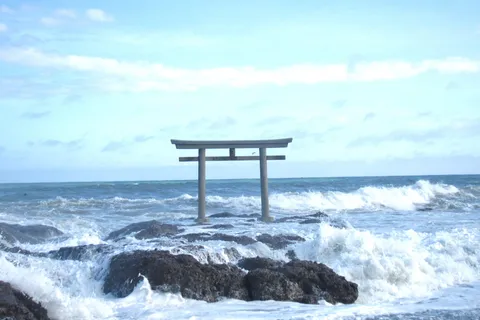
Ibaraki, Oarai
Oarai Isosaki Jinja
Ōarai Isosaki-jinja
- Maritime Safety
- Business Prosperity
- Good Relationships
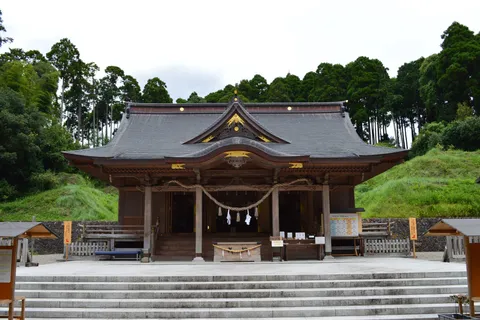
Miyazaki, Tsuno, Koyu District
Tsuno Jinja
Tsuno Jinja
- Good Relationships
- Maritime Safety
- Recovery from Illness
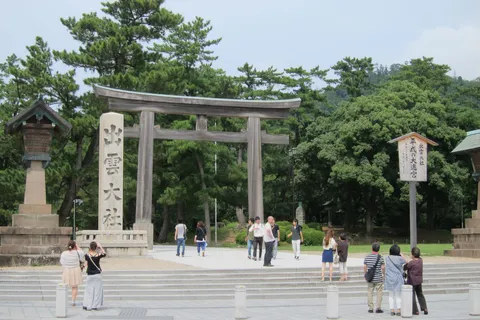
Shimane Prefecture, Izumo
Izumo Taisha
Izumo Ōyashiro
- Good Relationships
- Marital Harmony
- Business Prosperity