History
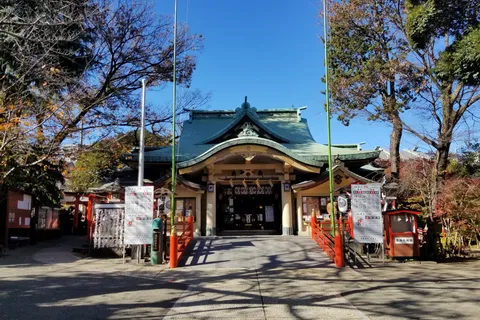
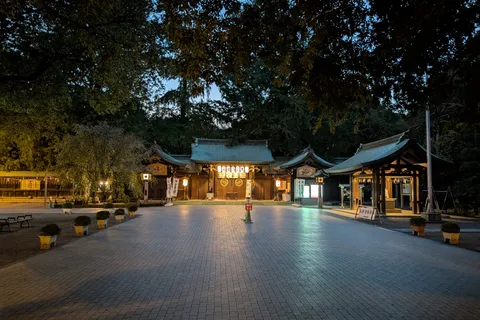
Nanasha Shrine stands in Nishigahara, in Tokyo’s Kita Ward, and is read “Nanasha-jinja.” (The official site gives no furigana; this reading is based on the site’s domain and social media account names, “nanasha” and “nanashajinja.”) According to the official site, it sits in a calm neighborhood next to Asukayama, a famous cherry-blossom spot, with the Toden Arakawa Line running nearby, and is cherished as a shrine for conceiving children, safe childbirth, first shrine visits for babies and protection from misfortune, enshrining seven deities. The official site lists them as Izanagi no Mikoto, Izanami no Mikoto, Ame no Koyane no Mikoto, Ishikoridome no Mikoto, Ichikishima-hime no Mikoto, Emperor Chuai and Emperor Ojin.
The official history says the shrine was founded long ago, but that details are unknown because a fire in 1793 destroyed its old documents and records. The hall was rebuilt on the autumn equinox of the following year, so that day was made the grand festival day, and the annual festival is still held today. At that time the shrine was enshrined within the grounds of Muryoji temple (Buppozan Muryoji), and the “Edo Meisho Zue” illustrates it as “Nanasha (Nanano Yashiro)” on the temple’s hill (today within Furukawa Gardens). After the separation of Shinto and Buddhism in 1868, it was moved in 1869 to the site of Ipponsugi Shinmeigu and enshrined as the chief guardian shrine of Nishigahara village. It marked 150 years since the move in 2019 (Reiwa 1). On the name, the official site cites the “Shinpen Musashi Fudoki-ko,” which says that the four Shisha Myojin of Mount Koya in Kii Province were enshrined here together with three deities of Ise, Kasuga and Hachiman, and so it was called “Shichisho Myojin.”
Highlights
According to the official site, Shibusawa Eiichi built his Asukayama residence (a villa) in Nishigahara in 1879 (Meiji 12) and in 1901 (Meiji 34) made it his main home and became a parishioner of Nanasha Shrine. In 1920 (Taisho 9) the shrine office was built with donations led by him, and the shrine keeps items such as his calligraphy name plaque and hanging scrolls. In December 2020 (Reiwa 2) the “Koshō o matsuru bun” (Offering for the Withered Pine) monument that he erected was moved into the grounds, where it can be viewed. The site also says the Shibusawa Memorial Museum is a 3-minute walk from the shrine.
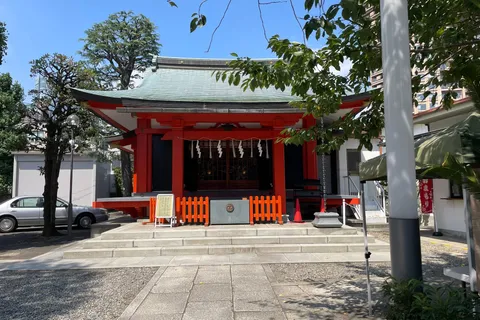
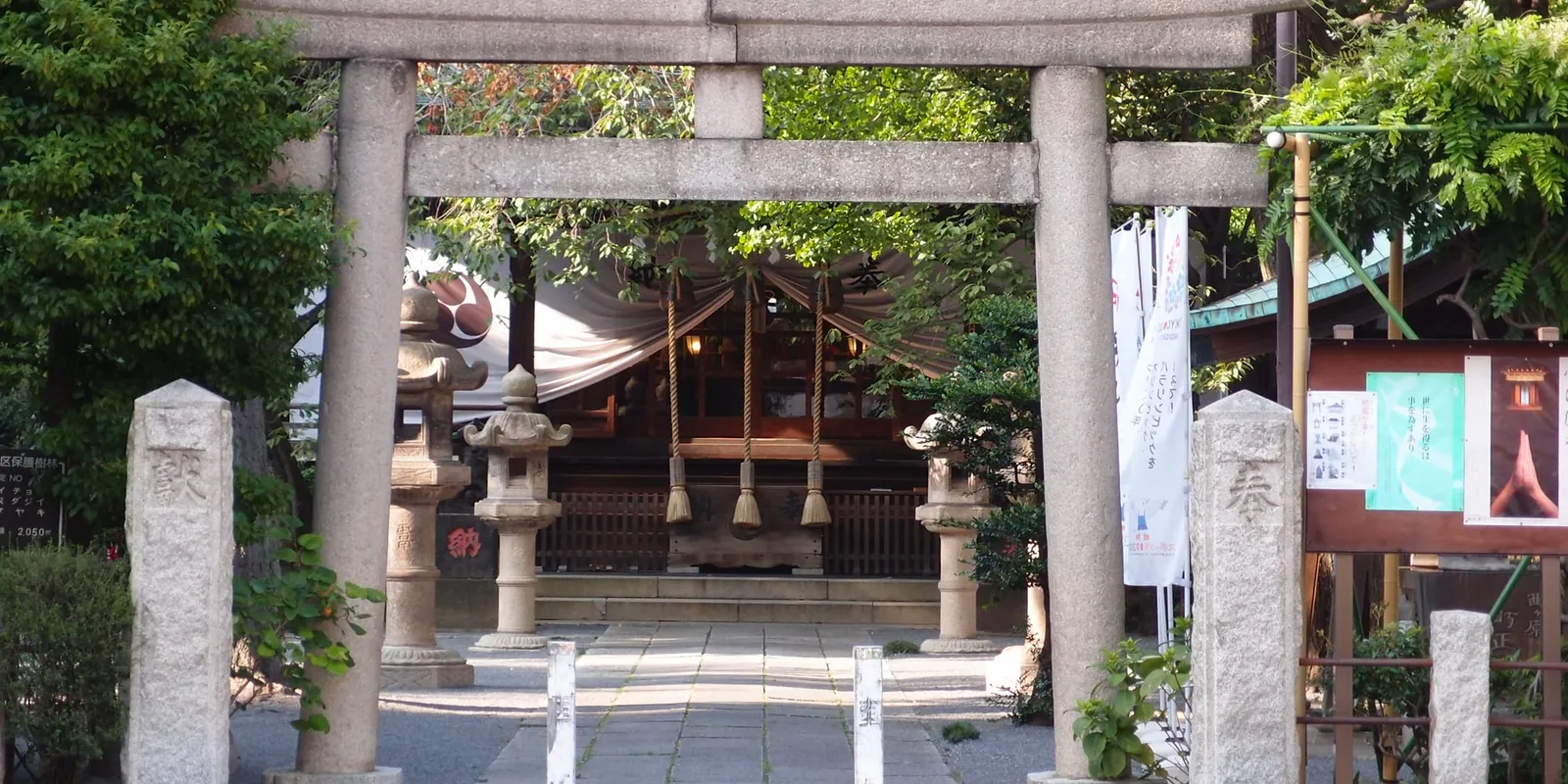
Within the grounds are the auxiliary shrines Tenso Jinja (Ipponsugi Shinmeigu), Inari Jinja, Kumano Jinja, Sugawara Jinja, Mitsumine Jinja and the Hōsō-sha. The guardian dogs in front of the hall, both male and female, are shown protecting their young, which is why they are called “komori-inu” (child-guarding dogs) and are said to bring blessings for conceiving children, safe childbirth and a harmonious family. In spring the double-flowered cherries Gyoiko and Fukurokuju bloom in front of the hall (around mid-April, per the official site), and the site says the area from the grounds to the neighboring land is known as the “Nanasha Jinja Ura Kaizuka” shell mound, where Jomon and Yayoi pottery and Haji ware were found.
For the anime “Watashi no Shiawase na Kekkon” shrine-and-temple project, an Instagram post shown on the shrine’s official site announces that it will be held (see the FAQ for details).
Visiting Tips
Prayer services in the hall are generally by reservation, and the offering for individual prayers starts from ¥7,000. No reservation is needed on the first three days of the New Year. The shrine office is open 9:00 AM–5:00 PM, but the official site gives no visiting hours for the grounds themselves. The shrine asks that photos not be taken inside the hall during prayers, and that professional photographers get permission at the shrine office first.
Goshuin are handled at the amulet office from 9:00 AM to 5:00 PM, with the offering starting from ¥500 as a gift of your choosing. The monthly “Hanagasane” goshuin (¥500, limited numbers) is issued from 9:00 AM on the first of each month, and there are also limited goshuin for New Year’s, the summer visit and the annual festival.
Nishigahara Station (Namboku Line, Exit 2) is about 2 minutes on foot, which is very convenient. Parking for worshippers is about 3 spaces and gets crowded during Shichi-Go-San, the annual festival and New Year’s, so public transport is recommended.
Annual Festivals
Here are the main events from the official annual calendar (dates as given by the official site).
- Setsubun Festival with the bean-throwing rite (the day of Setsubun in February): More than 150 people, including “lucky men and women,” serve at a platform built in the grounds. It is held in 10 rounds from 6:00 PM to 7:30 PM.
- Cherry blossom season (late March to late April): Somei-Yoshino and double-flowered cherries color the grounds.
- Isshin Naki Sumo, Nanasha Basho (May): For babies aged 6 months to 2 and a half years; in 2026 it was held on Saturday, May 23.
- Chinowa Kuguri (early June to July 7, and early December to January 7): A grass ring is set up along the approach.
- Summer Great Purification (June 28, 5:00 PM) and Year-end Great Purification (December 28, 4:00 PM): Open to anyone.
- Annual festival (the autumn equinox and the day before): Food stalls line the approach, sato-kagura is performed on the dance stage, and neighborhood portable shrines are paraded. In 2026 it was held on September 22 and 23.
- Shichi-Go-San (November 15) and Niiname-sai (November 23)
- Joya-sai (December 31), Saitan-sai (January 1) and New Year’s visits: Kagura and other performances are offered on the dance stage, and over the first three days traditional New Year games such as battledore, beanbags and kendama are set out in the grounds.
- Shibusawa Eiichi Quiz Rally (November 1 to December 25 in 2026): Announced as underway at the shrine.
Dates change from year to year, so check the “Annual Events” page on the official site for the latest.
Nearby Food & Sightseeing
- Shibusawa Memorial Museum: A facility exhibiting materials on Shibusawa Eiichi’s life and achievements, introduced on the shrine’s official site as a 3-minute walk from Nanasha Shrine. Check the museum’s own information for opening days and hours.
- Asukayama Park: A cherry-blossom spot that the shrine’s official access page describes as right next to the shrine.
- Kyu-Furukawa Gardens: The official site says the hill of Muryoji temple, where “Edo Meisho Zue” depicts Nanasha, is now within Furukawa Gardens.
Frequently Asked Questions
- Q. What are the visiting hours, and do I need to book a prayer service?
- A. The official site does not give visiting hours for the grounds. The shrine office is listed as open 9:00 AM–5:00 PM. Prayer services in the hall are generally by reservation, except for some periods such as the first three days of the New Year, and can be booked through the official site's web form or by phone (03-3910-1641). For individual prayers the offering starts from ¥7,000 as a gift of your choosing, and the shrine asks that it be brought in a noshi envelope or a plain envelope.
- Q. Can I get a goshuin at Nanasha Shrine?
- A. Yes. According to the official site, goshuin are handled at the amulet office from 9:00 AM to 5:00 PM, with the offering starting from ¥500 as a gift of your choosing. The stamps include one of Shibusawa Eiichi and one of the Toden tram. Limited goshuin are also offered, such as the monthly Hanagasane goshuin (¥500), issued from 9:00 AM on the first of each month, the New Year's one (January 1–7) and the summer-visit one (July 1–7). During festival events, pre-written goshuin are given instead.
- Q. How do I get there, and is there parking?
- A. It is about a 2-minute walk from Exit 2 of Nishigahara Station on the Tokyo Metro Namboku Line. From Kami-Nakazato or Oji Station on the JR Keihin-Tohoku Line it is about 10 minutes on foot, and from Asukayama Station on the Toden Arakawa Line about 5 minutes (all per the official site). Parking for worshippers is about 3 spaces and tends to fill during Shichi-Go-San, the annual festival and New Year's, so the shrine asks visitors to use nearby coin parking when it is full.
- Q. Who are the seven deities, and what is the link with Shibusawa Eiichi?
- A. The official site lists seven enshrined deities: Izanagi no Mikoto, Izanami no Mikoto, Ame no Koyane no Mikoto, Ishikoridome no Mikoto, Ichikishima-hime no Mikoto, Emperor Chuai and Emperor Ojin. The official site also says that Shibusawa Eiichi made his Asukayama residence his main home in 1901 and became a parishioner of Nanasha Shrine, and that in 1920 the shrine office was built with donations led by him. The shrine's name plaque is in his calligraphy and is still kept at the shrine.
- Q. Is there a collaboration with the anime "Watashi no Shiawase na Kekkon" (My Happy Marriage)?
- A. According to an Instagram post shown on the shrine's official site, a shrine-and-temple project tied to the special edition of the anime "Watashi no Shiawase na Kekkon" (わたしの幸せな結婚) has been announced. Besides standard items such as goshuin books, it offers original amulets and novelties inspired by Miyo's hair ornament and Kiyoka's braided cord. Nothing is sold online, and cash and various cashless payments are accepted. The organizers (Fuuuu and Jinja Bukkaku Online) give the period as October 16 to November 30, 2026, in their press release. Details may change, so check the shrine's own announcements.
Plan Your Visit
Before you go, you can book a stay and get your shrine-visit items ready.
Amazon links open Amazon.co.jp (Japan) in English; whether an item ships overseas depends on the product.
※ Contains ads (PR). Links open external sites such as Amazon, Rakuten, Trip.com and Booking.com.