History
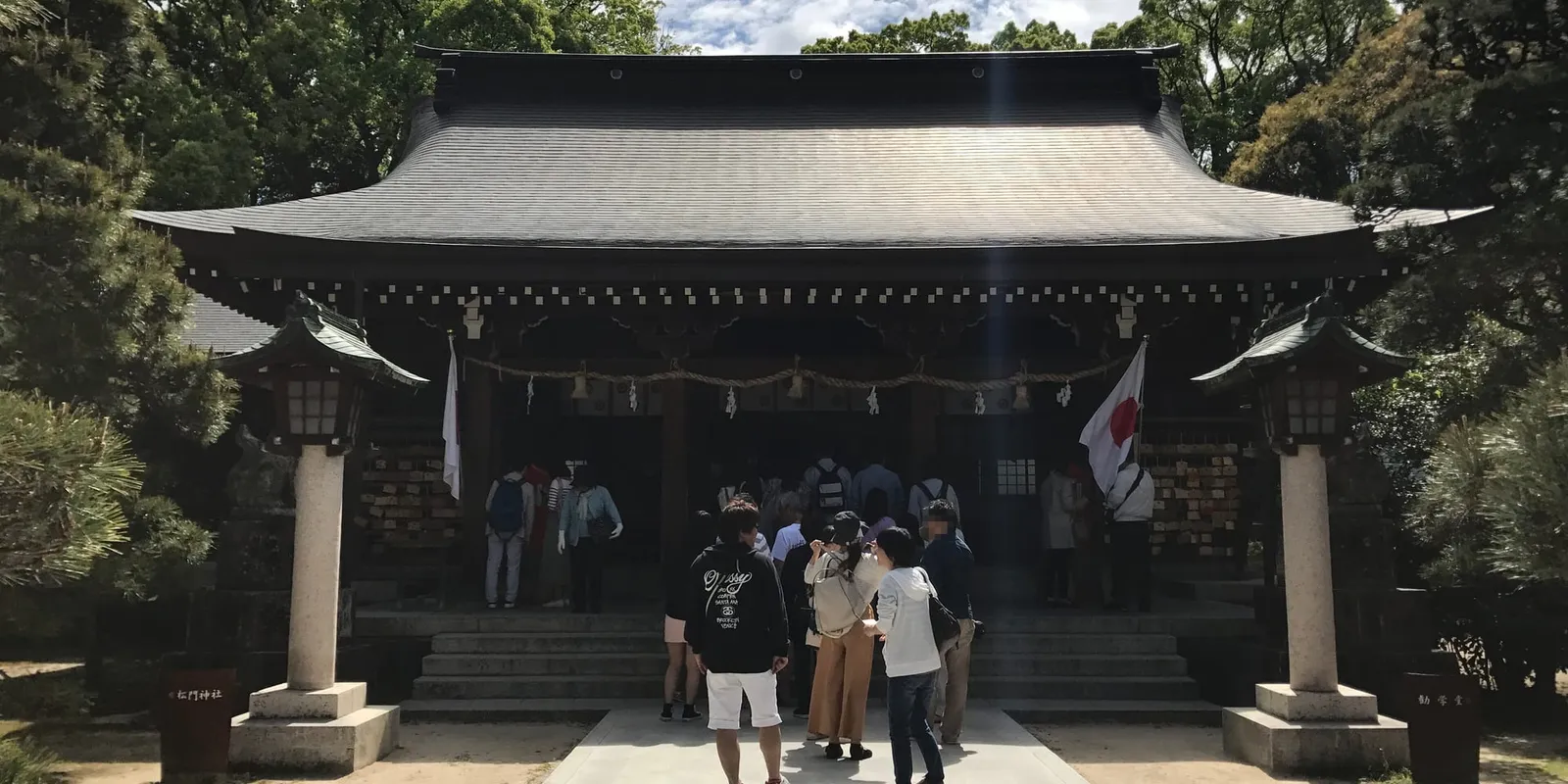
Shoin Shrine in Tsubaki-higashi, Hagi, Yamaguchi, enshrines Yoshida Shoin. The official site bills it as “the place where the Meiji Restoration began to stir.” The shrine’s name is read “Shōin Jinja”; the official site gives no furigana for the name, so this page uses the reading common in tourism guides. Note that there is another, separate Shoin Shrine in Setagaya, Tokyo; this page is about the one in Hagi, Yamaguchi.
According to the official site, the enshrined deity is Yoshida Norikata no Mikoto (pen name Shoin, also known as Nijuikkai Moshi, among others). In August 1890, 31 years after Shoin’s death for his convictions, former Shoka Sonjuku pupils and others repaired the school building, and at the same time members of the Sugi family, Shoin’s family, built a storehouse-style shrine to honor his spirit. This is regarded as the shrine’s predecessor. In 1907, Ito Hirobumi and Nomura Yasushi led a petition to the prefecture, and on October 4 of that year the shrine was approved as a prefectural-rank shrine. The storehouse-style shrine was moved to just south of Shoka Sonjuku to serve as the main hall, and the grounds were developed, including the relocation of the worship hall of the Miyazaki Hachiman Shrine, the former guardian shrine of Hagi Castle, which had been abolished.
A reconstruction support association was formed in 1936, and a hinoki-bark-roofed shrine building was completed in 1942, but because of the war the deity could not be moved into it; the transfer finally took place on October 26, 1955. This is the present main shrine. In 1956 the old shrine building was moved to the north and became Shomon Shrine, an auxiliary shrine for Shoin’s pupils and followers. The official site says 53 deities are now enshrined there, including Kusaka Genzui, Takasugi Shinsaku and Ito Hirobumi.
Highlights
The main attraction is the Shoka Sonjuku school building. The official site says it still stands on the grounds and became a World Heritage site in 2015. In November 1857, a hut next to the Sugi house was converted into an 8-tatami school, and from then on the school was effectively run by Shoin, according to the site. Hagi City describes Shoka Sonjuku and the neighboring Yoshida Shoin Yushu no Kyutaku (the Sugi family house) as national historic sites. The house was designated on October 12, 1922, and the 3.5-tatami room where Shoin was confined survives (per the Cultural Heritage Online database and Hagi City).
The official site lists several facilities on the grounds. The Yoshida Shoin History Museum recreates his life with more than 70 wax figures in 20 scenes. The Shiseikan treasure hall preserves and exhibits Shoin’s writings and belongings; its free zone has a museum shop, and its paid exhibition rooms include one for his farewell writing, the Ryukonroku. There are also the “Path of Learning,” lined with 25 monuments inscribed with Shoin’s words, the Edo-period tea house Kagetsuro, and the Risshiden hall, completed in November 2016.
In addition, the shrine’s “Yoshida Shoin related materials (handed down at Shoin Shrine)” are a Yamaguchi Prefecture designated tangible cultural property (designated December 7, 2012; 311 items), according to Cultural Heritage Online.
Visiting Tips
The grounds are open to visitors freely, and buildings such as Shoka Sonjuku are locked at night. The official site does not give amulet counter hours, so going early in the daytime is a good idea.
The goshuin of Shoin Shrine and Shomon Shrine costs ¥500. There are also monthly special goshuin, and in November 2026 the “Shoka Sonjuku Opening Month” limited goshuin (¥700, pre-written or written on the spot) is offered. Details are on the shrine’s official Instagram and official site. Offerings include the Kokorozashi-mamori with Shoin’s calligraphy of “志,” the Shisei-mamori, the Gakugyo-joju-mamori (¥800) and the Goukaku set (¥2,000), mostly amulets for study, work and one’s aspirations.
According to the official site, admission to the History Museum is ¥500 for adults, ¥250 for junior and senior high school students and ¥100 for elementary school students, free for small children, with a 20% discount for groups of 20 or more. The fee for the Shiseikan’s paid exhibition rooms is not given on the official site page.
It is about a 20-minute walk (about 5 minutes by taxi) from Higashi-Hagi Station on the JR San’in Line, or about a 1-minute walk from the “Shoin Jinja-mae” stop on the Hagi loop “Maaru” bus. Parking is free in the grounds and at the Traffic Park in front of the shrine.
Annual Festivals
Main festivals listed on the official annual events page (dates can change, so check before attending).
- New Year’s Day Festival (January 1), Genshi-sai (January 3), Nanakusa-gayu offering (January 7), Kangaku-sai (early January): New Year rites; the Kangaku-sai is a ceremony to pray for academic success.
- Setsubun-sai (February 3) and Kigensetsu-sai (February 11)
- Spring Grand Festival / Toshigoi-sai (May 25): Marks the day in 1859 when Shoin was escorted from Hagi to Edo.
- Birthday Festival (August 4): Marks Shoin’s birth in 1830 (Tenpo 1). In 2026 a Birthday Month special goshuin (¥700) was also offered in August.
- Kanname Hosho-sai (October 17)
- Grand Autumn Festival (October 27): Marks the day in 1859 when Shoin was executed in Edo (the anniversary of his death for his convictions). In 2026, a children’s mikoshi, a rice-cake toss and a karaoke contest were held, according to the shrine’s official Instagram.
- Kangakudo-sai (November 5): Linked to the opening of Shoka Sonjuku in 1857.
- Tamaki Family Ancestors Festival (November 6): Rites for the ancestors of the Tamaki family, including Shoin’s uncle Tamaki Bunnoshin, usually held at the family graves on Mt. Gokoku.
- Monthly festival (1st, 15th and 27th of each month) and Tsuitachi-mairi (1st of each month)
Nearby Food & Sightseeing
This list centers on the grounds and nearby sites. No restaurants are listed, because none could be confirmed from the official site or other sources checked.
- Yoshida Shoin History Museum: On the grounds. Traces Shoin’s life with wax figures (admission as above).
- Shiseikan Treasure Hall: On the grounds. According to the official site, the free zone introduces Shoin-related sites around Hagi, and the paid exhibition rooms show items such as the Ryukonroku.
- Kagetsuro: An Edo-period tea house on the grounds. The official site says Shinagawa Yajiro had preserved it on his own estate, and it was moved to the grounds in 1959.
- Tamaki Bunnoshin Former Residence: The historic site where Shoin’s uncle Tamaki Bunnoshin ran the private school that first bore the name Shoka Sonjuku. The official site describes it as a site that “still survives” (check the map for its location).
Frequently Asked Questions
- Q. What are the visiting hours?
- A. The official site says the grounds are open freely ("grounds open freely"), so you can visit at any time. At night, however, Shoka Sonjuku and some other buildings are locked. The official site does not give opening hours for the amulet counter, the Yoshida Shoin History Museum or the Shiseikan treasure hall, so call the shrine office (0838-22-4643) if you need to confirm.
- Q. Can I get a goshuin at Shoin Shrine?
- A. Yes. The goshuin of Shoin Shrine and Shomon Shrine is listed at ¥500 on the official offerings page. In November 2026 a limited "Shoka Sonjuku Opening Month" goshuin is also offered at ¥700, as a pre-written sheet or written on the spot. According to the shrine's official Instagram announcement, it commemorates the school's opening on November 5, 1857, and the period is written as "November 1 to 31" (November has 30 days, so treat it as available during the month and confirm with the shrine). The amulet counter's hours are not stated on the official site.
- Q. How do I get there, and is there parking?
- A. According to the official site, it is about 5 minutes by taxi or about 20 minutes on foot from Higashi-Hagi Station on the JR San'in Line. The Yamaguchi tourism site says it is about a 1-minute walk from the "Shoin Jinja-mae" stop on the Hagi loop bus (east route). Free parking is available in the grounds and at the Traffic Park in front of the shrine (the number of spaces is not on the official site; Hagi City lists 60 in the grounds and 58 at the Traffic Park). Large buses, including micro buses, use the municipal lot in front of the shrine at ¥500 per use.
- Q. Can I see Shoka Sonjuku, and is it a World Heritage site?
- A. The school building still stands within the Shoin Shrine grounds, and the official site says it became a World Heritage site in 2015. According to Hagi City, Shoka Sonjuku and the neighboring "Yoshida Shoin Yushu no Kyutaku" (the Sugi family house where Shoin was confined) are each national historic sites. The grounds can be visited freely, but Shoka Sonjuku and some other buildings are locked at night.
- Q. What kinds of amulets are there?
- A. The official offerings page lists the Kokorozashi-mamori with Shoin's calligraphy of "志" (¥800, white or green), the Shisei-mamori with "至誠" (¥800), a work amulet (¥800), a Shogan-joju-mamori for fulfillment of wishes (¥800), a study amulet (¥700), the Gakugyo-joju-mamori (¥800, described as the most popular brocade type), and a pencil amulet (¥700), among others. The Goukaku set (¥2,000) bundles a passing ema, a passing amulet, a headband and a prayer application form.
Plan Your Visit
Before you go, you can book a stay and get your shrine-visit items ready.
Amazon links open Amazon.co.jp (Japan) in English; whether an item ships overseas depends on the product.
※ Contains ads (PR). Links open external sites such as Amazon, Rakuten, Trip.com and Booking.com.