
History
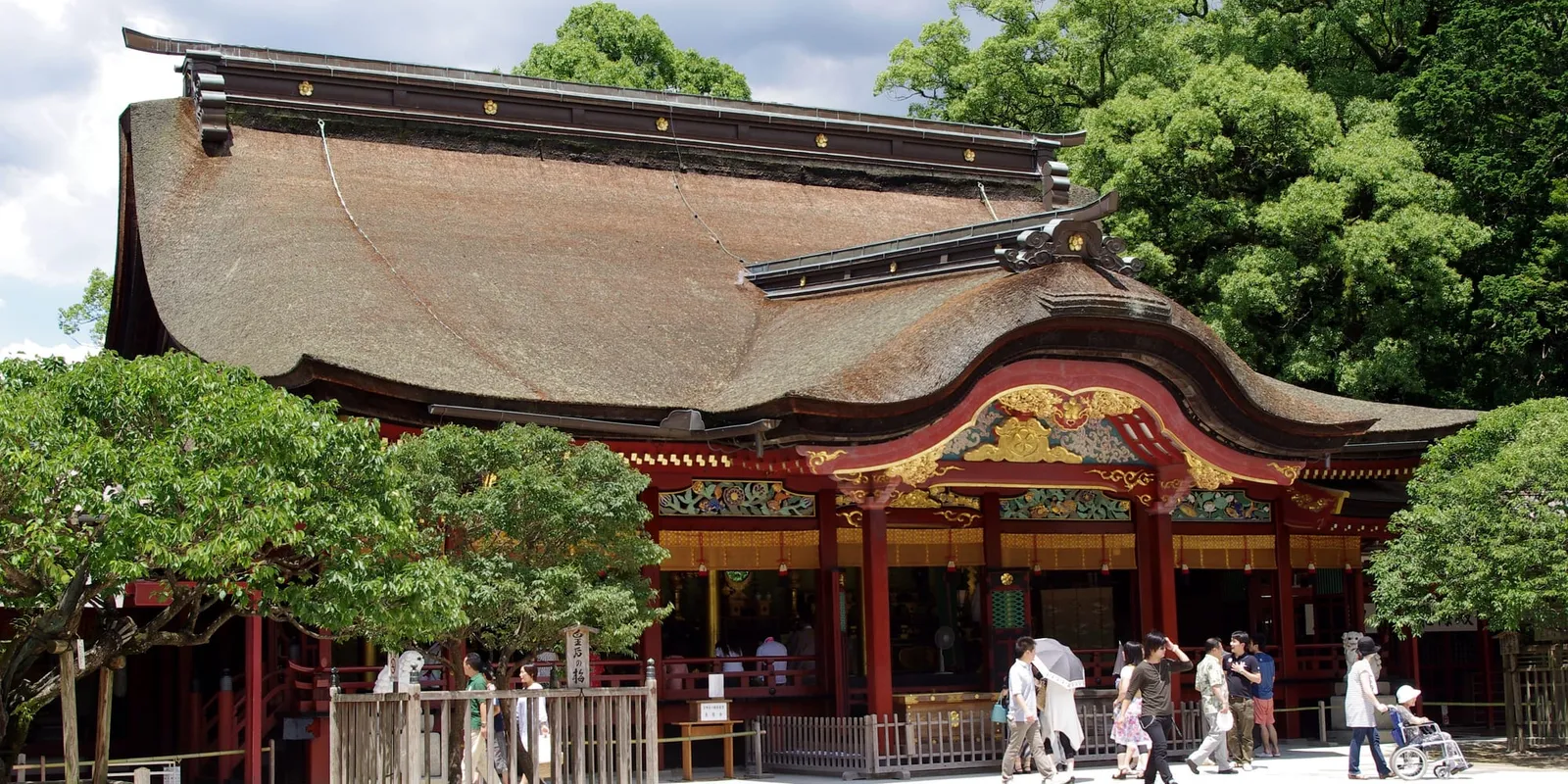
Dazaifu Tenmangu enshrines Sugawara no Michizane, a Heian-period scholar and statesman. Michizane rose to the rank of Minister of the Right as a brilliant scholar, but was caught up in political rivalry and exiled to Dazaifu, where he died in 903. Two years later, a shrine building was erected over his grave, marking the founding of Dazaifu Tenmangu.
Because of Michizane’s renown for scholarship, he later came to be revered as the “god of learning,” and today the shrine draws students preparing for entrance exams and other qualifying tests from across Japan, making it one of the country’s leading Tenmangu shrines.
Together with Kitano Tenmangu in Kyoto, Dazaifu Tenmangu is considered the head shrine of the roughly 12,000 Tenmangu shrines nationwide. The current main hall was rebuilt in 1591 and is designated an Important Cultural Property as a valuable example of Momoyama-period architecture. During the Heian period, cultural events such as poetry gatherings beside a winding stream became popular among the nobility, and because Michizane himself was an accomplished poet and man of letters, the shrine also came to be revered as a deity of culture and the arts, not just scholarship.
Highlights
The three bridges leading to the main hall, including the “Taiko-bashi” (Drum Bridge), are said to represent the past, present, and future, and crossing them is believed to bring purification. The grounds are also home to some 6,000 plum trees of about 200 varieties, including the legendary “Tobiume” plum tree said to have flown overnight from Kyoto out of longing for Michizane. The trees draw many visitors when they bloom in early spring.
Visiting Tips
During exam season, the grounds become extremely crowded with visitors seeking votive plaques and charms for exam success. For a calmer visit, early morning is recommended. Near the main hall stands a statue of an “ox,” said to be Michizane’s messenger, and worshippers traditionally stroke the part of the ox’s body corresponding to their own ailment in hopes of healing — a practice known as “nade-ushi.”
Annual Festivals
- Usokae Shinji (January 7): A New Year ritual, said to have originated at Dazaifu Tenmangu, in which participants exchange carved wooden bullfinches to turn the previous year’s misfortunes (“uso,” a pun on the bird’s name and the word for “lie”) into good luck.
- Onisube Shinji (January 7): A vigorous ritual that drives away demons with smoke, counted among Japan’s three great fire festivals.
- Kyokusui no En (first Sunday in March): An elegant courtly event in which participants dressed in Heian-period costume compose poems before a floating sake cup drifting down the garden’s winding stream reaches them.
- Reitaisai / Jinkoshiki Taisai (September): One of Dazaifu Tenmangu’s most important festivals, in which the deity’s spirit is transferred to a portable shrine and paraded through the parish.
Nearby Food & Sightseeing
- Kasa no Ie: Founded in 1922, this long-established shop specializes in Dazaifu’s famous umegae-mochi rice cakes and sits just past the approach’s torii gate.
- Starbucks Coffee Dazaifu Tenmangu Omotesando: Designed by architect Kengo Kuma, this striking wood-latticed café is one of the approach’s landmark stops.
- Kyushu National Museum: Adjoining Dazaifu Tenmangu, this museum presents exhibits on Japan’s cultural exchange with other parts of Asia.
Frequently Asked Questions
- Q. What are the visiting hours?
- A. Generally 6:00–19:00, varying by season.
- Q. How can I avoid the crowds?
- A. The shrine gets especially busy during exam season — an early morning visit is your best bet.
- Q. When is the goshuin office open?
- A. Around 9:00–17:00, for ¥500.
- Q. How do I get there?
- A. About a 5-minute walk from Dazaifu Station on the Nishitetsu Dazaifu Line.
- Q. What is the "rubbing ox" statue?
- A. A bronze ox said to serve Michizane-ko — visitors rub the part of the ox corresponding to their own ailment, hoping for healing.
Related Shrines
Kyoto Prefecture, Kamigyo Ward, Kyoto
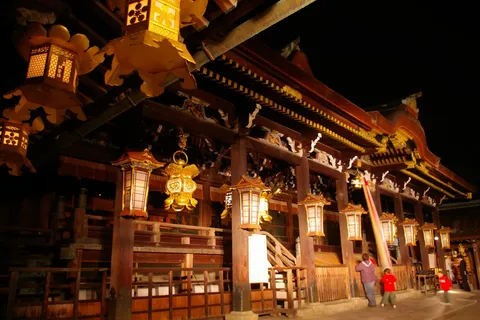
Kitano Tenmangu
Kitano Tenmangū
- Academic Success
- Exam Success
- Protection from Misfortune
Fukuoka Prefecture, Higashi Ward, Fukuoka
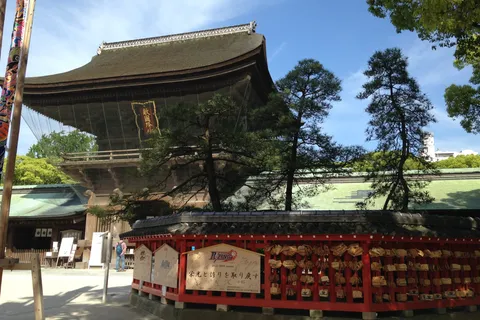
Hakozaki-gu
Hakozaki-gū
- Protection from Misfortune
- Victory in Competition
Nara Prefecture, Sakurai
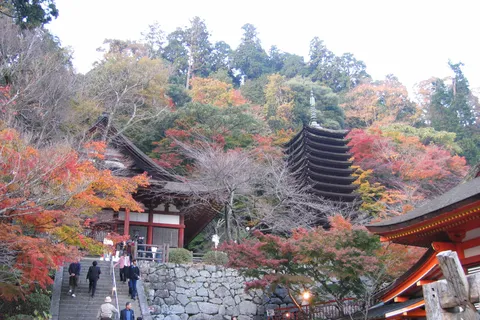
Tanzan Jinja
Tanzan-jinja
- Academic Success
- Good Fortune
- Protection from Misfortune