History
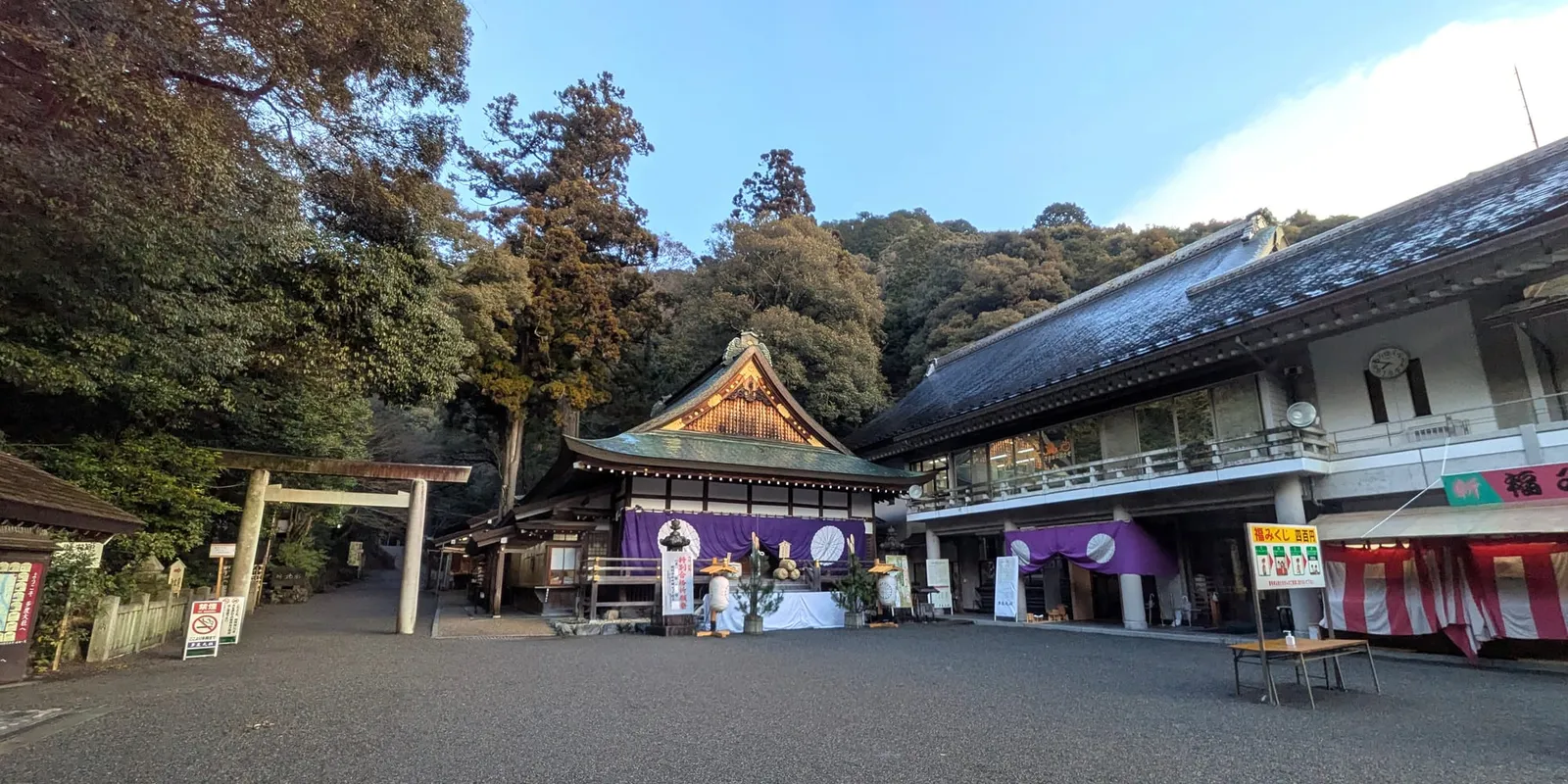
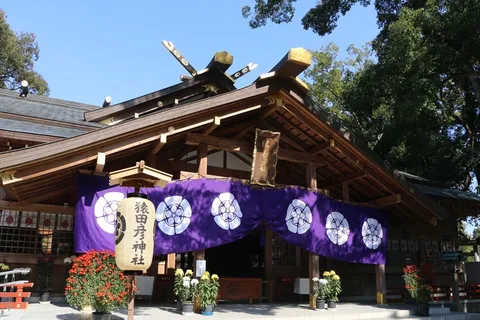
Tado Taisha stands at the foot of Mount Tado in Tado-cho, Kuwana City, Mie Prefecture, and is regarded as the foremost ancient shrine of the northern Ise region. According to shrine tradition it was founded during the reign of Emperor Yuryaku, in the 5th century. It is listed as a Myojin Taisha (major shrine) in the Heian-period Engishiki shrine registry and formerly held the rank of Kokuhei Taisha. An old saying, “If you visit Ise, visit Tado too — without Tado, the pilgrimage is only half done,” reflects the long-standing custom of pairing a visit here with a pilgrimage to Ise Jingu, which is why the shrine is also known as the “Kita-Ise Daijingu” (Grand Shrine of Northern Ise).
The main shrine, Tado Jinja, enshrines Amatsuhikone-no-Mikoto, traditionally held to be the third son born of Amaterasu Omikami, and long venerated as a deity who helped develop and prosper the northern Ise region. Within the grounds, the subsidiary Ichimokuren Shrine enshrines Amenomahitotsu-no-Mikoto, a child deity of Amatsuhikone-no-Mikoto associated with metalworking and ironcraft. Because this deity is said to manifest swiftly, its sanctuary is traditionally built without doors.
In 1571, the shrine buildings were largely destroyed by fire during Oda Nobunaga’s suppression of the Nagashima Ikko-ikki uprising. They were later rebuilt in the Edo period by Honda Tadakatsu and his son Tadamasa, lords of Kuwana Domain, and the shrine has since been revered as the guardian shrine of Kuwana.
Highlights
Set on the wooded slopes of Mount Tado, the grounds have a solemn, deeply forested atmosphere; the approach crosses a “sacred bridge” over a clear stream on the way to the main and subsidiary shrines. Mount Tado itself, rising behind the main shrine, has long been venerated as a sacred mountain, preserving traces of an ancient form of nature worship. The grounds are also home to a sacred stable connected to the “White Horse Legend,” in which a white horse said to have dwelt on Mount Tado for some 1,500 years serves as a messenger carrying worshippers’ wishes to the gods.
Visiting Tips
Inspired by the White Horse Legend, the amulet office offers a popular “White Horse Legend” charm for good fortune and financial luck, along with limited goshuin tied to the horse (uma) zodiac sign. The grounds include stairs and uneven terrain, so comfortable walking shoes are recommended. On the days of the Tado Festival (Agariuma Shinji), the grounds and surrounding roads become extremely crowded, so public transportation is the most convenient option.
Annual Festivals
- Agariuma Shinji (Tado Festival) (May 4–5): A roughly 700-year-old rite believed to date to the Nanboku-cho period, in which young local men ride horses up a steep slope; how the horses climb is traditionally read as a divination of the coming harvest. Designated an Intangible Folk Cultural Property of Mie Prefecture. In response to safety concerns for horses and riders, the format was revised in 2024, replacing the traditional steep earthen wall with a gentler incline.
- Kento-sai (Summer Lantern Festival) (July): Lanterns known as “miakari” line the grounds in a summer tradition of prayer for good health and family safety.
- Oharae Purification Rites (June and December): Twice-yearly purification rites in which the sins and impurities of the past half-year are transferred to paper effigies (hitogata) and ritually cleansed, held as the summer and year-end Oharae.
Nearby Food and Sightseeing
At the entrance to Tado Taisha’s approach stands Marushige, a Japanese confectionery shop with over 150 years of history, famous for a fresh cream daifuku that has won a Prime Minister’s Award — a favorite stop for visitors after paying their respects. Along the clear stream at the foot of Mount Tado lies Tado-kyo Gorge, known for its scenic beauty, where visitors can cool off in natural swimming spots in summer and admire vivid foliage in autumn.
- Marushige: A 150-year-old confectionery shop right by the approach to Tado Taisha, famous for its award-winning fresh cream daifuku.
- Tado-kyo Gorge: A scenic gorge at the foot of Mount Tado, popular for natural swimming spots in summer and autumn foliage.
Frequently Asked Questions
- Q. What are the visiting hours?
- A. The shrine grounds are open 24 hours. Prayer (kito) reception runs 9:00–16:30, and the amulet office is open 9:00–17:00.
- Q. Can I get a goshuin here?
- A. Yes, from 9:00–17:00. A goshuin written directly in your goshuin book costs ¥500, and a pre-printed sheet starts at ¥300. Goshuin for the subsidiary Ichimokuren Shrine and the Utsukushigozen-sha sub-shrine are each an additional ¥500.
- Q. How do I get there?
- A. It's about a 15-minute walk from Tado Station on the Yoro Railway, or about 5 minutes by Mie Kotsu bus.
- Q. Is parking available?
- A. Yes — a free lot beside the shrine (about 30 spaces), a lot below the stairs with about 70 spaces (paid on weekends/holidays, free on weekdays), and roughly 500 more paid spaces nearby. Expect heavy congestion during the Tado Festival.
- Q. What is the Agariuma Shinji horse-leaping ritual?
- A. Held every May 4–5 during the Tado Festival, young riders on horseback charge up a steep slope, and how the horses climb is traditionally read as a divination of the year's harvest — a roughly 700-year-old rite designated an Intangible Folk Cultural Property of Mie Prefecture. For rider and horse safety, the format was revised in 2024, removing the steep earthen wall in favor of a gentler slope.
Related Shrines
Mie Prefecture, Ise
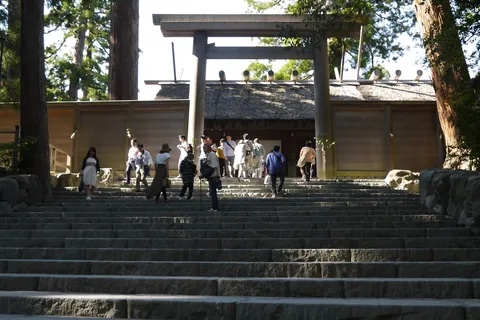
Ise Jingu
Ise-jingū
- Good Fortune
- Peace of the Nation
- Bountiful Harvest
Mie Prefecture, Futami-cho, Ise
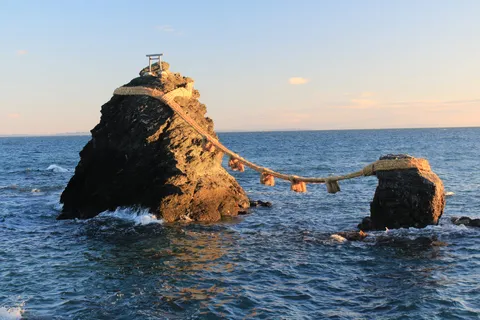
Futami Okitama Jinja
Futami Okitama Jinja
- Marital Harmony
- Good Relationships
- Good Fortune
Mie Prefecture, Ise
Sarutahiko Jinja
Sarutahiko-jinja
- Directional Protection
- Good Fortune
- Good Relationships