History
Futami Okitama Jinja was founded to enshrine, from a respectful distance, the sacred Okitama rock that lies roughly 700 meters offshore — the dwelling place of the shrine’s principal deity, Sarutahiko Okami. According to tradition, the rock’s spiritual power first manifested during the reign of Emperor Yuryaku in the late 5th century. Later, in the Tenpyo era (729-749), the monk Gyoki is said to have built a temple nearby and enshrined Okitama-sha as its guardian shrine. Following the separation of Shinto and Buddhism in the Meiji era, Okitama-sha (enshrining Sarutahiko Okami) was merged in 1910 with Sangu Shrine, which enshrined Uka-no-Mitama-no-Okami — a deity also identified with Toyouke Okami of Ise Jingu’s Outer Shrine — and the combined shrine took its present name, Futami Okitama Jinja.
Since ancient times, the Futami coast has been known as a “purification beach,” where pilgrims bathed in seawater and cleansed body and spirit of impurity before continuing on to Ise Jingu. The saying “an Ise pilgrimage begins at Futami” reflects this custom, known as hama-sangu, which is still observed by many visitors today: purifying themselves at Futami before heading on to worship at the Grand Shrine. In that sense, Futami Okitama Jinja remains, first and foremost, the traditional gateway of purification for pilgrims to Ise.
Highlights
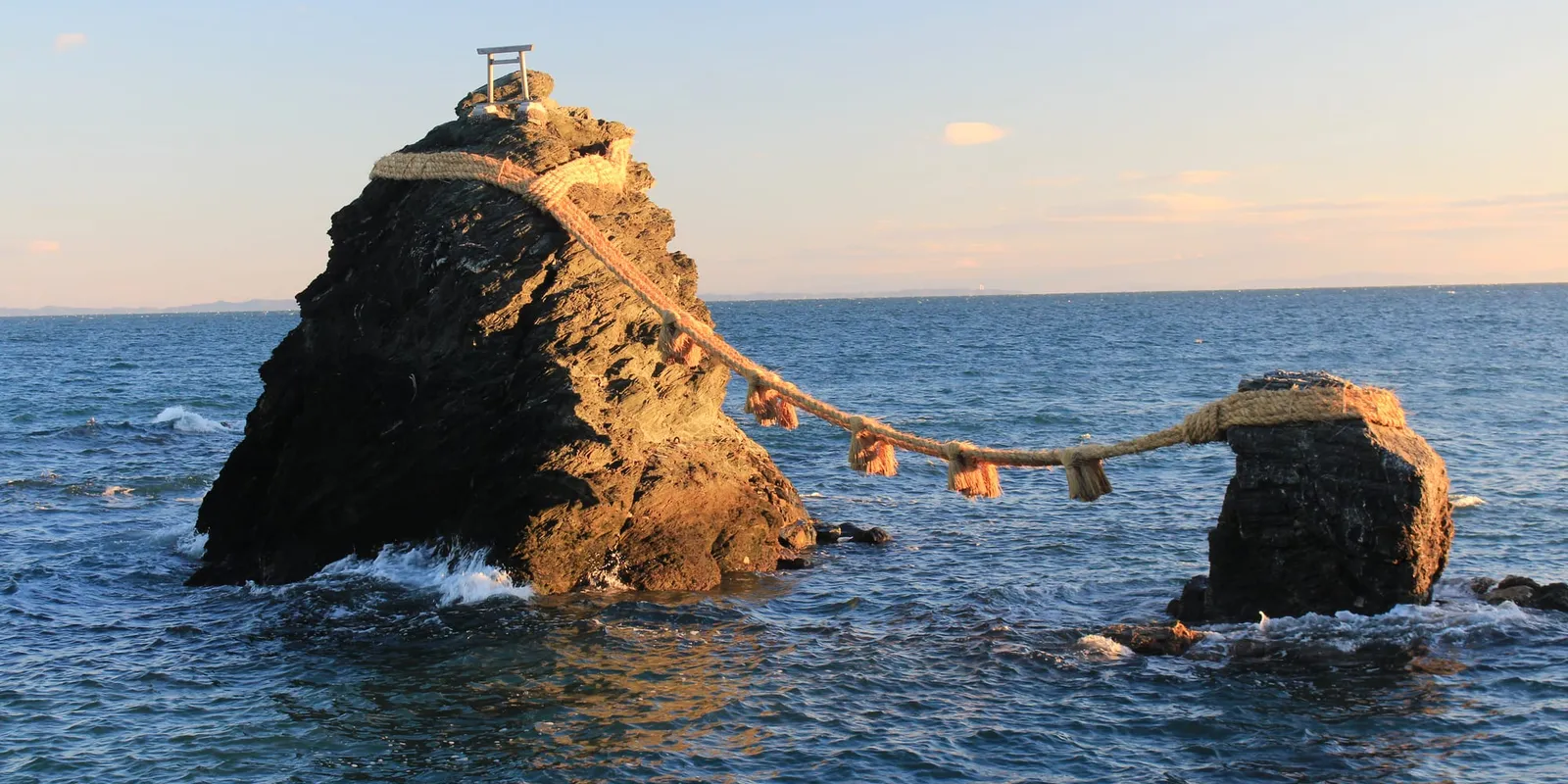
Rising from the sea directly in front of the shrine, the famous Meoto Iwa (“Wedded Rocks”) are said to represent the divine married couple Izanagi and Izanami, the creator deities of Japanese mythology, and draw visitors praying for marital harmony and good relationships. The larger “husband” rock (about 9 meters tall) and smaller “wife” rock (about 4 meters) are joined by a shimenawa sacred rope roughly 35 meters long, which itself functions as a torii gate through which worshippers pay reverence to the submerged Okitama rock beyond, and further still to the sun goddess. The rope is replaced three times a year (May 5, September 5, and mid-December) in the Oshimenawa-bari ritual, accompanied by traditional work songs and taiko drumming.
From around May through July, the sun rises directly between the two rocks, and on a clear morning near the summer solstice (mid-to-late June) it is sometimes possible to see “Diamond Fuji” — Mount Fuji and the rising sun aligning together between the rocks — one of Japan’s most sought-after seasonal photography spots.
Another distinctive feature of the shrine grounds is the large number of frog statues placed throughout. Frogs are considered messengers of Sarutahiko Okami, and the Japanese word for frog, kaeru, is a pun on words meaning “to return safely,” “to get something lent back,” and “to be rejuvenated” — worshippers whose prayers were answered often donate a frog figurine in thanks, and dozens now line the purification font and shrine grounds.
Visiting Tips
As the old saying “an Ise pilgrimage begins at Futami” suggests, tradition holds that visitors should stop here to purify themselves before continuing on to Ise Jingu’s Outer and Inner Shrines. If your schedule allows, visiting here first is the traditional order of pilgrimage.
The grounds themselves are open around the clock, but amulets and goshuin are only available roughly 7:00-16:45 (7:00-16:15 November to February), so plan a daytime visit if you want those. The Meoto Iwa rocks can be admired at any hour, but if you’re hoping to catch the sunrise between them, check the local sunrise time in advance and allow plenty of time to reach the Hinode Bridge area along the approach.
Annual Festivals
- Oshimenawa-bari Shinji (Shimenawa Rope-Changing Ritual) (May 5, September 5, mid-December): The sacred rope joining Meoto Iwa is replaced in a ceremony accompanied by traditional work songs and taiko drumming, with local parishioners and ama divers taking part.
- Summer Solstice Festival (mid-to-late June, around the solstice): A purification ceremony held to greet the solstice sunrise, drawing visitors from across Japan.
- Futami Day Limited Goshuin (23rd of every month): A wordplay on “fu-mi” (2-3) marks this day, when a limited-edition goshuin reproducing an early-Showa-era design is issued.
Nearby Food & Sightseeing
Restaurants along the Meoto Iwa approach serve Ise udon and other local specialties, and the area right by the shrine also has an aquarium and a shopping-and-dining complex, making it easy to combine worship with sightseeing.
- Taichiya: A restaurant founded in 1877, midway along the Meoto Iwa approach, known for its popular ¥1,000 set of Ise udon noodles, abalone rice, and aosa-seaweed miso soup.
- Ise Sea Paradise: A “zero-distance” aquarium right next to the shrine, offering close encounters with walruses and seals — a favorite with families.
- Ise Meotoiwa Meoto Yokocho: An indoor shopping and dining complex right beside Meoto Iwa, offering Ise-Shima specialties, food stalls, and hands-on experiences.
Frequently Asked Questions
- Q. What are the visiting hours?
- A. The shrine grounds are open to worship 24 hours a day. However, the office that sells amulets and goshuin is only open 7:00-16:45 (7:00-16:15 November to February), so visiting during the day is recommended if you want those.
- Q. Can I get a goshuin here?
- A. Yes. The fee is ¥300, and the office is open 7:00-16:45 (7:00-16:15 November to February). On the 23rd of each month ('Futami Day'), a limited-edition goshuin reproducing a design first issued in the early Showa era is also available for ¥500.
- Q. How do I get there?
- A. It's about a 15-minute walk from Futaminoura Station on the JR Sangu Line. From Iseshi or Ujiyamada Station, you can also take a Mie Kotsu bus or the CAN bus to the 'Meotoiwa Higashiguchi' stop, about a 5-minute walk from there. By car, it's about 3-5 minutes from the Futami JCT on the Ise Expressway's Ise-Futami-Toba Line.
- Q. Is there parking?
- A. Yes, several free parking areas are available around the shrine (Futamiura Park parking, the Futami General Suboffice lot, and others totaling over 400 spaces). The lot closest to the shrine can fill up during busy periods, so using one of the slightly farther lots is recommended.
- Q. When and how is the best time to see Meoto Iwa?
- A. From around May to July, the sun rises between the two rocks. Around the summer solstice (mid-to-late June), on a clear day you may even catch 'Diamond Fuji,' when Mount Fuji and the rising sun align between the rocks — a rare and much-photographed sight. Plan your visit around local sunrise time, and the Hinode Bridge along the approach is a popular vantage point.
Related Shrines
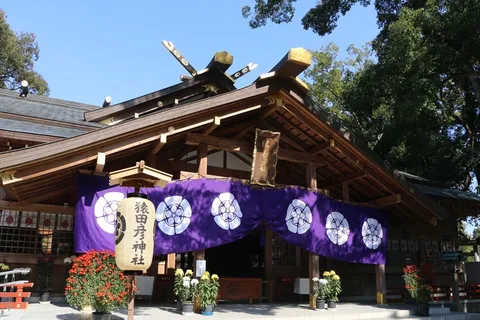
Mie Prefecture, Ise
Sarutahiko Jinja
Sarutahiko-jinja
- Directional Protection
- Good Fortune
- Good Relationships
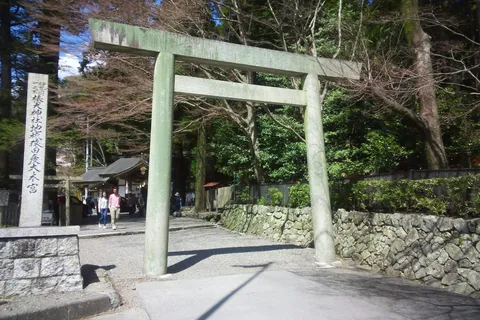
Mie Prefecture, Suzuka
Tsubaki Grand Shrine
Tsubaki Ōkami Yashiro
- Directional Protection
- Good Fortune
- Good Relationships
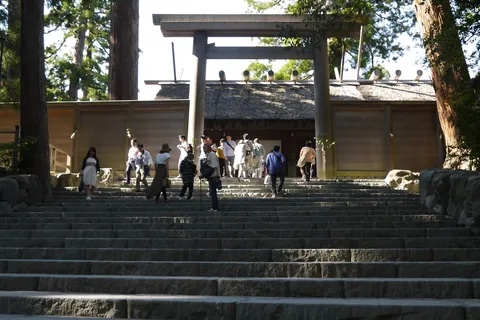
Mie Prefecture, Ise
Ise Jingu
Ise-jingū
- Good Fortune
- Peace of the Nation
- Bountiful Harvest