History
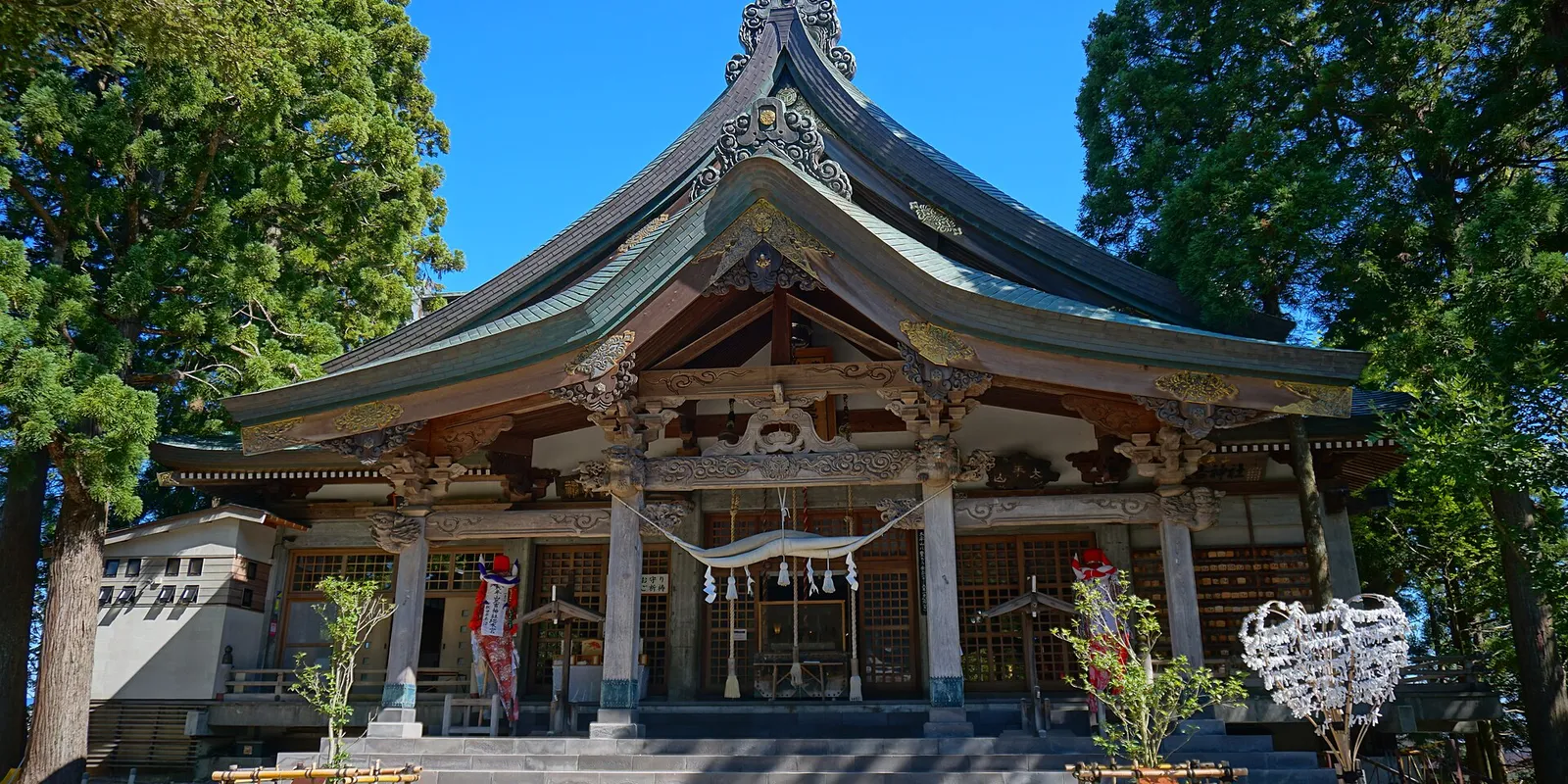
Taiheizan Mitsuyoshi Jinja venerates Mount Taihei (1,170 meters), the sacred peak rising east of the city of Akita, as its object of worship. According to shrine tradition, the ascetic En no Gyoja founded a shrine at the summit in 673 (Hakuho 2), and in 801 the general Sakanoue no Tamuramaro is said to have built a shrine hall here and dedicated a ceremonial arrowhead while praying for victory during his campaigns to pacify the Emishi. An oku-miya (inner shrine) stands at the summit, while this sato-miya (village shrine), here in the Hiroomote district of Akita City, has long served alongside it as the twin center of Mount Taihei worship.
The shrine’s deities are Onamuchi no Okami and Sukunahikona no Okami, worshipped together with a deity unique to this shrine: Miyoshi no Reijin. Shrine tradition holds that Miyoshi no Reijin is the deified spirit of Fujiwara no Miyoshi (also called Tsurujumaru), a local lord of Taihei, though at its core the deity embodies the mountain-worship tradition, governing strength, victory, and the triumph of right over wrong. Known affectionately for centuries as “Miyoshi-san” or “Sankichi-san,” the deity has drawn devoted worship from sumo wrestlers, martial artists, and athletes of every kind.
Taiheizan Mitsuyoshi Jinja is the head shrine of all Mitsuyoshi shrines and Taiheizan devotional associations nationwide, and — according to the shrine’s own website — is also head shrine to a Mitsuyoshi shrine in São Paulo, Brazil, established by emigrants from Akita who wished to enshrine their hometown deity in their new home. As a deity of victory, success, and business prosperity, it continues to attract devoted worshippers whose lives revolve around competition and contest.
Highlights
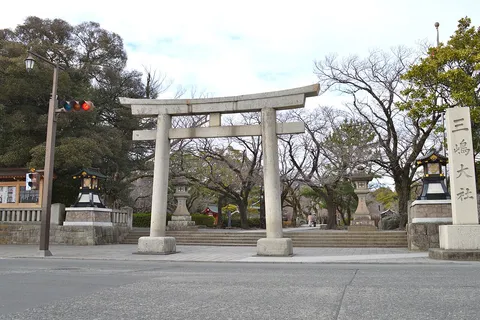
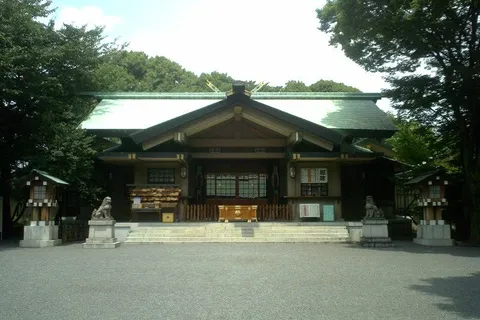
The sato-miya grounds occupy a site said to have once held a retreat of the Satake clan, lords of the Akita domain. Passing beneath the vermillion torii, a tree-lined stone stairway leads up to the worship hall. Though the haiden and honden themselves are modest in scale, the shrine has a distinctive energy, filled with worshippers seeking victory and success — a character all its own among Japan’s shrines. Around the grounds are a sacred tree and various offerings symbolizing strength, reflecting the shrine’s dual character as both a mountain cult and a deity of contest.
A major highlight is the special Miyoshi Bonten Festival, held every January 17, in which young men from different neighborhoods carry colorfully decorated bonten (offerings resembling sacred trees) in a spirited, competitive procession to the honden — a vivid and dynamic scene that marks the depths of winter in Akita. In summer, climbers can be seen making the ascent to the oku-miya at the summit, a reminder of how deeply devotion to Mount Taihei itself is woven into local life.
Visiting Tips
Visiting the sato-miya alone takes about 20–30 minutes, or 30–40 minutes if you’d like to explore the grounds more fully. Prayer services and requests are accepted any time between 8:45 and 16:00, and goshuin stamps can be received at the amulet office throughout the day. The east parking lot requires climbing stairs to reach the shrine, so visitors who prefer to avoid steps should use the west lot instead. Note that the oku-miya at the summit of Mount Taihei is reachable only by a genuine mountain hike, and only during the summer climbing season, roughly mid-July through mid-September.
Annual Festivals
- Miyoshi Bonten Festival (January 17): The shrine’s largest special rite, said to date to the Edo period, in which young men carry vividly decorated bonten offerings to the honden in a spirited, neighborhood-against-neighborhood procession praying for victory.
- Spring Grand Festival (May 7–8): A major spring festival praying for a bountiful harvest and the prosperity of the local community.
- Autumn Grand Festival (October 16–17): A major autumn festival giving thanks for the year’s blessings and praying for continued prosperity in the year ahead.
- Oku-miya Opening and Closing Rites: Ceremonies marking the start and end of the summer climbing season at the oku-miya on the summit of Mount Taihei.
Nearby Food & Sightseeing
- Kiritanpo-kan: A facility offering demonstrations and meals featuring kiritanpo nabe, Akita’s famous grilled rice-stick hot pot — a perfect way to sample local cuisine after your visit.
- Senshu Park: A park in central Akita built on the ruins of Kubota Castle, seat of the Satake clan, offering seasonal scenery and a look into the city’s history.
- Akita Shimin Ichiba (Citizens’ Market): A lively market of fresh seafood and local produce, where visitors can find Akita specialties like hinai-jidori chicken and hatahata (sandfish).
Frequently Asked Questions
- Q. What are the visiting hours?
- A. The grounds are open to visitors at all times, year-round; prayer reception is 8:45–16:00, and the amulet office is open 8:30–17:00.
- Q. When is the goshuin office open?
- A. 8:30–17:00, for ¥500.
- Q. Is there parking?
- A. Yes, free parking is available on both the east and west sides — the east lot has stairs, so the west side is easier if that's a concern.
- Q. What is it known for?
- A. It's revered as a deity of victory and competition, drawing devoted followers among sumo wrestlers, martial artists, and athletes.
- Q. How do I get there?
- A. About a 10-minute bus ride from JR Akita Station, then a 5-minute walk from the Miyoshi-jinja-iriguchi stop.