History
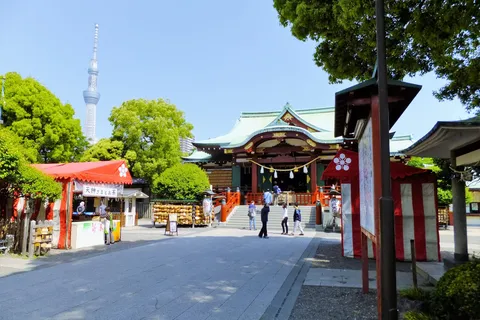
Yushima Tenmangu is an ancient shrine that, according to tradition, was first founded in 458 by imperial order to enshrine Amenotajikarao no Mikoto. Later, in 1355, a divided spirit of Sugawara no Michizane — posthumously revered as the god of learning — was invited to the shrine, and from that point on it became widely known and loved as “Yushima Tenjin.”
The shrine enshrines Sugawara no Michizane alongside Amenotajikarao no Mikoto. During the Edo period, it received the patronage of the Tokugawa shogunate and flourished as a gathering place for scholars and writers. To this day, during exam season the grounds fill with wooden ema plaques bearing prayers for success, and the shrine draws students and parents from across the greater Tokyo area as one of the region’s leading Tenmangu shrines.
Highlights
The single greatest highlight of Yushima Tenmangu is the sheer number of ema votive plaques covering the grounds, each inscribed with a prayer for exam success from a student somewhere in Japan — a vivid testament to the shrine’s deep-rooted reputation as a place of academic blessing.
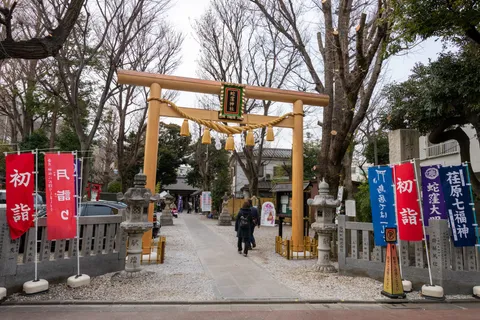
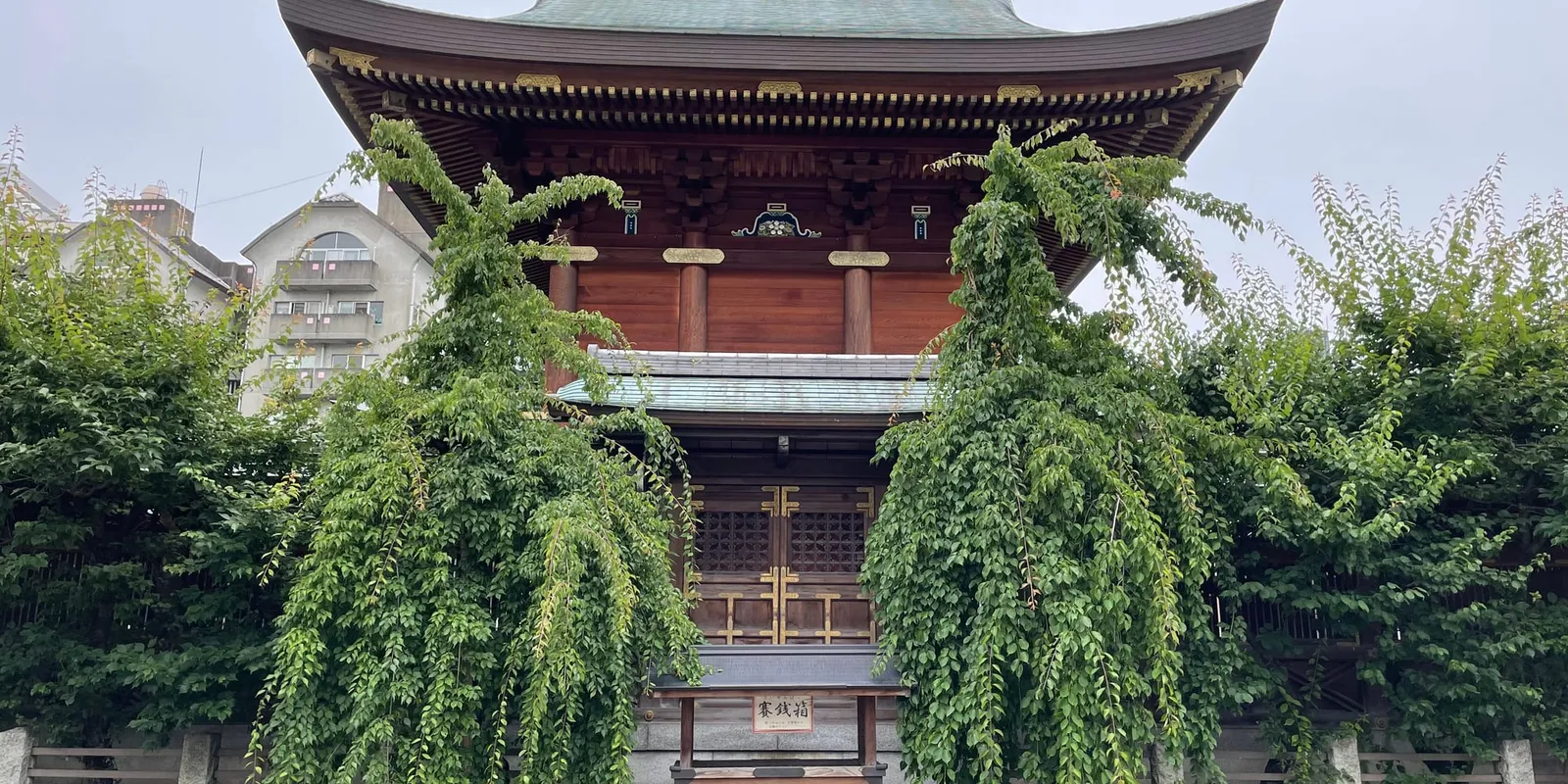
The shrine’s other defining feature is its status, since the Edo period, as a renowned spot for plum blossoms. About 300 plum trees, mostly of the Shirakaga variety, grow throughout the grounds, and every year from February to March the Bunkyo Ume Matsuri (Plum Festival) draws large crowds of visitors and worshippers. The bronze front torii gate and the shrine’s wooden karamon-style hall are also worth a look, as is the popular photo spot: a bronze statue of a reclining ox, traditionally associated with Michizane.
Visiting Tips
The gates are open from 6:00 to 20:00, a generous window that makes it easy to stop by on the way to or from work or school. Goshuin can be received roughly 9:00–17:00, for ¥500. There is no parking for visitors on the grounds, so anyone arriving by car should use a nearby coin-operated lot. The shrine gets especially busy during exam season and the plum festival, so an early-morning visit is recommended at those times.
Annual Festivals
- Bunkyo Ume Matsuri, the Plum Festival (early February to early March): The shrine’s roughly 300 plum trees reach full bloom, and a variety of events are held throughout the festival period.
- Reitaisai Grand Festival (around May 25): The shrine’s most important festival, featuring a mikoshi procession among other rites.
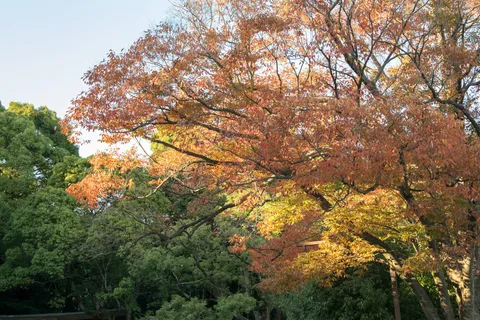
- Chrysanthemum Festival (early to late November): The grounds are decorated with chrysanthemum flowers, and goshuin stamped during the festival carry a special chrysanthemum seal.
- First Tenjin Festival and Hatsumode (from January 1): The year’s first visits draw large crowds of worshippers praying for academic and exam success.
Nearby Food & Sightseeing
- Yushima Seido: Japan’s largest Confucian shrine, located in the same Yushima neighborhood as Yushima Tenmangu — visiting both together makes for an especially fitting outing centered on academic success.
- Ueno Park: A sprawling park within walking distance, home to a zoo and numerous museums and art galleries, and a popular pairing with a visit to Yushima Tenmangu.
- Mihashi Ueno Honten: A celebrated anmitsu shop founded in 1948, long loved by visitors to Ueno Park — a perfect stop for a sweet break between shrine visits.
Frequently Asked Questions
- Q. What are the visiting hours at Yushima Tenmangu?
- A. The gates are open 6:00–20:00, making it easy to visit on the way to or from work, school, or before an exam.
- Q. When can I get a goshuin at Yushima Tenmangu, and how much does it cost?
- A. Goshuin are available roughly 9:00–17:00, for ¥500.
- Q. Is there parking at Yushima Tenmangu?
- A. No, there is no parking for visitors on the grounds; use a nearby coin-operated lot.
- Q. When is the plum blossom festival at Yushima Tenmangu?
- A. The Bunkyo Ume Matsuri (Plum Festival) is held every year from February to March, when roughly 300 white and red plum trees on the grounds come into bloom. Because the enshrined deity Sugawara no Michizane is revered as the god of learning, many students visiting to pray for exam success are drawn to the shrine year-round.
- Q. How do I get to Yushima Tenmangu?
- A. 2 minutes on foot from Yushima Station on the Tokyo Metro Chiyoda Line, 5 minutes from Ueno-hirokoji Station on the Tokyo Metro Ginza Line, or 8 minutes from JR Okachimachi Station.