History
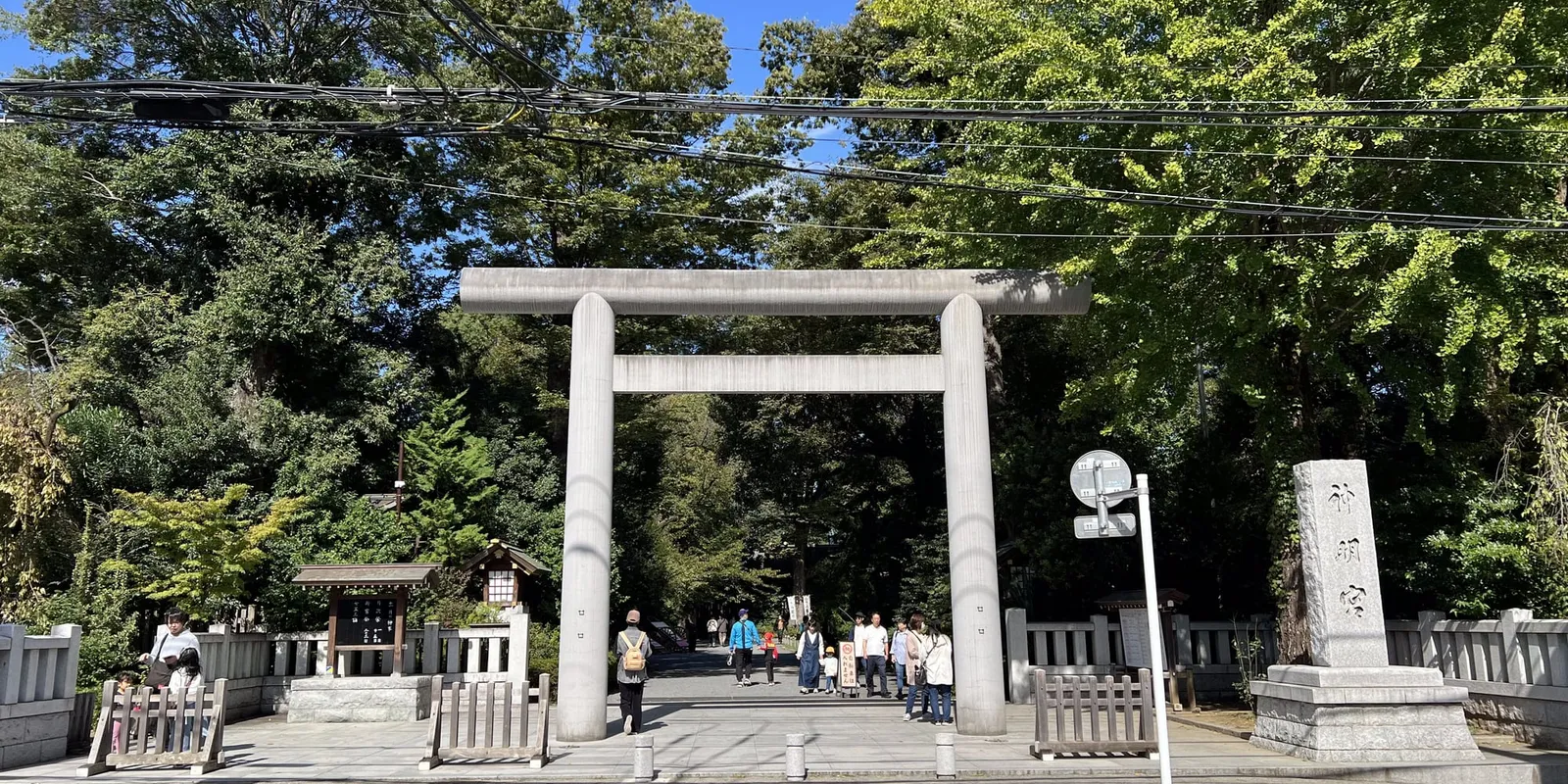
Asagaya Shinmeigu stands about a 2-minute walk from the north exit of Asagaya Station in Suginami, Tokyo. Its name is read “Asagaya Shinmeigu.” The official site names Amaterasu Omikami as the enshrined deity, with Tsukuyomi no Mikoto and Susanoo no Mikoto enshrined in the flanking auxiliary shrines of the main hall. The official site describes it as one of the largest shrines in Tokyo that enshrines the deity of Ise Shrine (a “kanjo” branch), with grounds of about 3,000 tsubo.
According to the official site, the Edo Meisho Zue (1800) says the shrine began when Yamato Takeru stopped to rest in Asagaya on his way back from an eastern expedition, and villagers who admired his military achievements later set up a shrine at the old site (the area around today’s Asagayakita 5-chome, called the “Ise no Mori”). In the Kenkyu era (1190–1198), the local chieftain Yokoi Hyobu (by one account Yokokawa Hyobu) is said to have received a divine revelation while visiting Ise Shrine and brought back a sacred stone from the Miya River, which is said to remain enshrined deep in the main hall as the object of worship. The official site does not state a founding year. All of this is the shrine’s own account of its history.
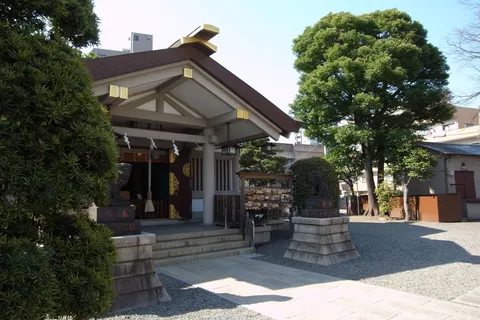
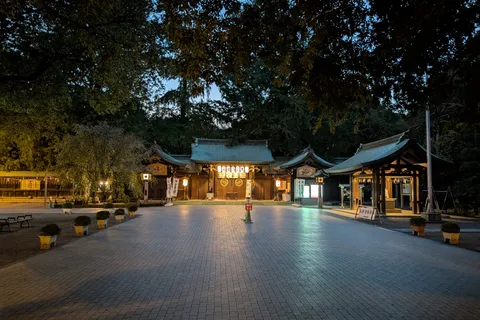
After the Meiji era the shrine was renamed “Tenso Shrine,” but in 1990 it returned to its Edo-period name, “Shinmeigu.” The official site says that the “Great Renovation of the Heisei Era” was completed in autumn 2009, giving the shrine a shinmei-style main hall and gate, a new prayer hall and a Noh theater.
TV Tokyo’s “Shutsubotsu! Ad-machic Tengoku” featured the shrine at No. 4 in its Asagaya episode broadcast on March 25, 2023 (according to the program’s official page). The page describes it as the guardian shrine of Asagaya, founded in the Kamakura period, and says its popular item is a bracelet-style amulet called “Kanmusubi” (the description is excerpted on the page).
Highlights
The grounds are a forest of about 3,000 tsubo; the official site says it holds many towering trees, including Japanese chinquapin, oak, camphor, zelkova and ginkgo. The main hall at the center enshrines Amaterasu Omikami, with Tsukuyomi (right) and Susanoo (left) in the side shrines, decorated with symbols of the sun, moon and sea respectively, according to the official site. Behind the prayer hall (Korinden), the shrine says it also enshrines the rough spirit (aramitama) of Amaterasu and Toyouke no Omikami, the deity of the Outer Shrine of Ise.
The shrine is best known for its “Hachinan-yoke” prayer. The official site says it is performed only at this shrine in all of Japan, and its list of items includes yaku-yoke (protection from misfortune), happo-yoke (protection from all directions), and protection from fire, water and theft, among many others. The offering starts at ¥3,000, and anyone can receive it.
The official site says the Noh theater hosts Noh and Kyogen performances as well as the “Asagaya Bayashi” festival music (a Suginami Ward intangible cultural property) offered at the annual festival, and describes the pine painting on the back panel as a work based on Kano-school composition. It also notes that a three-piece copper gohei (ritual wand) dated 1828, inscribed with “Naito Shinjuku,” has been dedicated, as a sign of devotion in the Edo period.
Among its offerings, the official site presents the lace bracelet amulet “Kanmusubi” (the shrine calls itself the birthplace of the lace bracelet amulet, and the name is a registered trademark of the religious corporation) and the “special goshuinfu” made of embroidered Mino washi paper (the shrine calls itself the birthplace of the embroidered goshuin). Both are the shrine’s own descriptions and are not presented here as officially certified facts.
Visiting Tips
Gate opening and closing times vary by month. The official site lists 6:00 AM–5:00 PM in January–March, 5:30 AM–5:30 PM in April–May, 5:00 AM–5:30 PM in June–September (until 6:00 PM on weekends and holidays in June–July), 5:30 AM–5:00 PM in October, and 6:00 AM–5:00 PM in November–December. The shrine office is open 9:00 AM–5:00 PM, and prayer services are accepted until 4:30 PM. On the 1st and 15th of each month (monthly festival days), the gate opens at 5:00 AM.
The special goshuinfu start from ¥1,000 and are sold 9:00 AM–4:30 PM (official English page). They are made in limited numbers and end when they run out. The official site does not appear to mention a regular goshuin. Availability changes with the season, so check the “News” section of the official site for the latest.
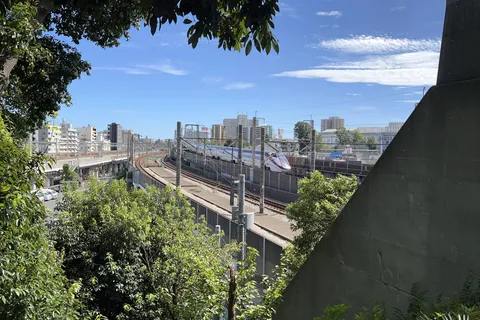
It is about a 2-minute walk from the north exit of Asagaya Station on the JR Chuo Line; note that Special Rapid trains, and Rapid trains on weekends and holidays, do not stop there. From the north exit of Minami-Asagaya Station on the Tokyo Metro Marunouchi Line it is about 10 minutes on foot. The official site says parking is available but gives no number of spaces or fee.
Annual Festivals
The official site’s annual event list includes the following (months follow the layout of the list, and dates can change from year to year):
- New Year’s Day Festival (January 1), Hatsu-No (January 2), and lion dance with koto music (January 3): Events held during the first three days of the year.
- Coming-of-Age Visit (second Monday of January)
- Toshigoi-sai (February 17)
- Spring Festival (April 29)
- Nagoshi-no-Harae (June 28): A “Green Market” (vegetables and plants) is also listed for the same month.
- Yaegaki Festival (July, Marine Day)
- Dedicatory Bali dance (August)
- Annual festival (September): The list gives the eve-festival as the 12th and the main festival as the 13th. At the annual festival “Asagaya Bayashi” is offered, and the official site says the sight of portable shrines gathering from 14 resting places in the parish and processing together is “one of Suginami’s seasonal traditions.” The same page also lists the 2018 festival as September 8–9, so check the official site for each year’s dates.
- Jazz Street (October): The official site says the shrine is also a venue for the Jazz Street event organized by Suginami Ward.
- Moon-viewing Festival (October 23)
- Shichi-Go-San visits (November 1 to end of month) and Niiname-sai (November 23)
- Toshikoshi-no-Harae (December 28)
- Monthly festival (1st and 15th of each month) and Garakuta-ichi flea market (first Saturday of each month): On Garakuta-ichi days some vendors set up from 6:00 AM, so the gate opens earlier, says the official site.
- Joint ancestral spirit rites on the spring and autumn equinox days
Nearby Food & Sightseeing
- Asagaya Pearl Center: A shopping street featured at No. 1 in the same TV Tokyo Asagaya episode. The program page says it formed as more people moved to Asagaya after the Great Kanto Earthquake, and describes a street of about 700 m.
- Zelkova Tree Avenue (Keyaki Namiki): Introduced at No. 10 in the same program as “a symbol of Asagaya.” The page says the first-generation owner of a local Japanese confectionery shop was the promoter and it was funded by donations from local residents.
- Suzukien: A fishing pond founded in 1924 (Taisho 13), introduced at No. 17 in the same program. The page says about six kinds of goldfish are released into the pond (information as of the 2023 broadcast).
Frequently Asked Questions
- Q. What are the visiting hours?
- A. The official site sets gate opening and closing times by month (for example 6:00 AM–5:00 PM in January–March, 5:00 AM–5:30 PM in June–September, and 6:00 AM–5:00 PM in November–December). The shrine office is open 9:00 AM–5:00 PM, and prayer services are accepted until 4:30 PM. Closing times differ during New Year's and the annual festival, so check the official site before you go.
- Q. Can I get a goshuin at Asagaya Shinmeigu?
- A. The official site presents the "special goshuinfu," embroidered Mino washi paper, from ¥1,000 (the 2026 moon-viewing set is ¥1,000, ¥1,200 and ¥1,200). They are sold 9:00 AM–4:30 PM (official English page), in limited numbers, and end when they run out. The official site does not appear to mention a regular goshuin.
- Q. How do I get there, and is there parking?
- A. It is about a 2-minute walk from the north exit of Asagaya Station on the JR Chuo Line (official site). Special Rapid trains, and Rapid trains on weekends and holidays, do not stop at Asagaya. From the north exit of Minami-Asagaya Station on the Tokyo Metro Marunouchi Line it is about a 10-minute walk. The official site says parking is available, but gives no number of spaces or fee.
- Q. Has the shrine been featured on TV?
- A. Yes. TV Tokyo's "Shutsubotsu! Ad-machic Tengoku" (出没!アド街ック天国) featured Asagaya Shinmeigu at No. 4 in its Asagaya episode broadcast on Saturday, March 25, 2023 (according to the program's official page). The page describes it as the guardian shrine of Asagaya, founded in the Kamakura period, and says its popular item is a bracelet-style amulet called "Kanmusubi" (the description is excerpted on the page).
- Q. What is "Hachinan-yoke"?
- A. According to the official site, Hachinan-yoke is a prayer to remove a wide range of misfortunes, including those tied to unlucky ages (yakudoshi), those tied to directions and the lay of the land or house (hoigai), misfortunes of fire, water and people, and those from karmic ties. The shrine says it is the only place in Japan that performs it. The offering starts at ¥3,000 (as you feel moved), and anyone may receive it.
Plan Your Visit
Before you go, you can book a stay and get your shrine-visit items ready.
Amazon links open Amazon.co.jp (Japan) in English; whether an item ships overseas depends on the product.
※ Contains ads (PR). Links open external sites such as Amazon, Rakuten, Trip.com and Booking.com.