History
Tenso Suwa Shrine stands along the old Tokaido road in Minami-Oi, Shinagawa, just a short walk from Tachiaigawa Station on the Keikyu Main Line. It is pronounced “Tenso Suwa Jinja,” and the official site writes the name as “Tenso/Suwa Shrine.” It has long been revered as the guardian shrine of the Hamakawa-cho and Motoshiba neighborhoods.
According to the official history, it began as two shrines, Shinmei-gu and Suwa-sha, both facing Tokyo Bay and standing on opposite sides of the Tachiai River. Tenso Shrine in Minami-Hamakawa enshrined Amaterasu Omikami and Toyouke no Omikami and became a village shrine in 1875 (Meiji 8); based on the Kenkyu-era map “Oigo no Zu” and the records of Raifuku-ji, its founding may go back to the late Heian period (1100-1190). Suwa Shrine in Kita-Hamakawa enshrined Takeminakatatomi no Kami and is thought to have been founded before 1631 (Kan’ei 8), in the early Edo period.
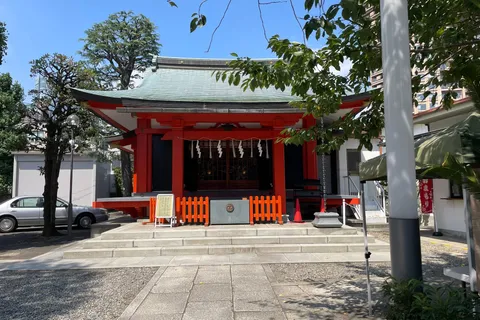
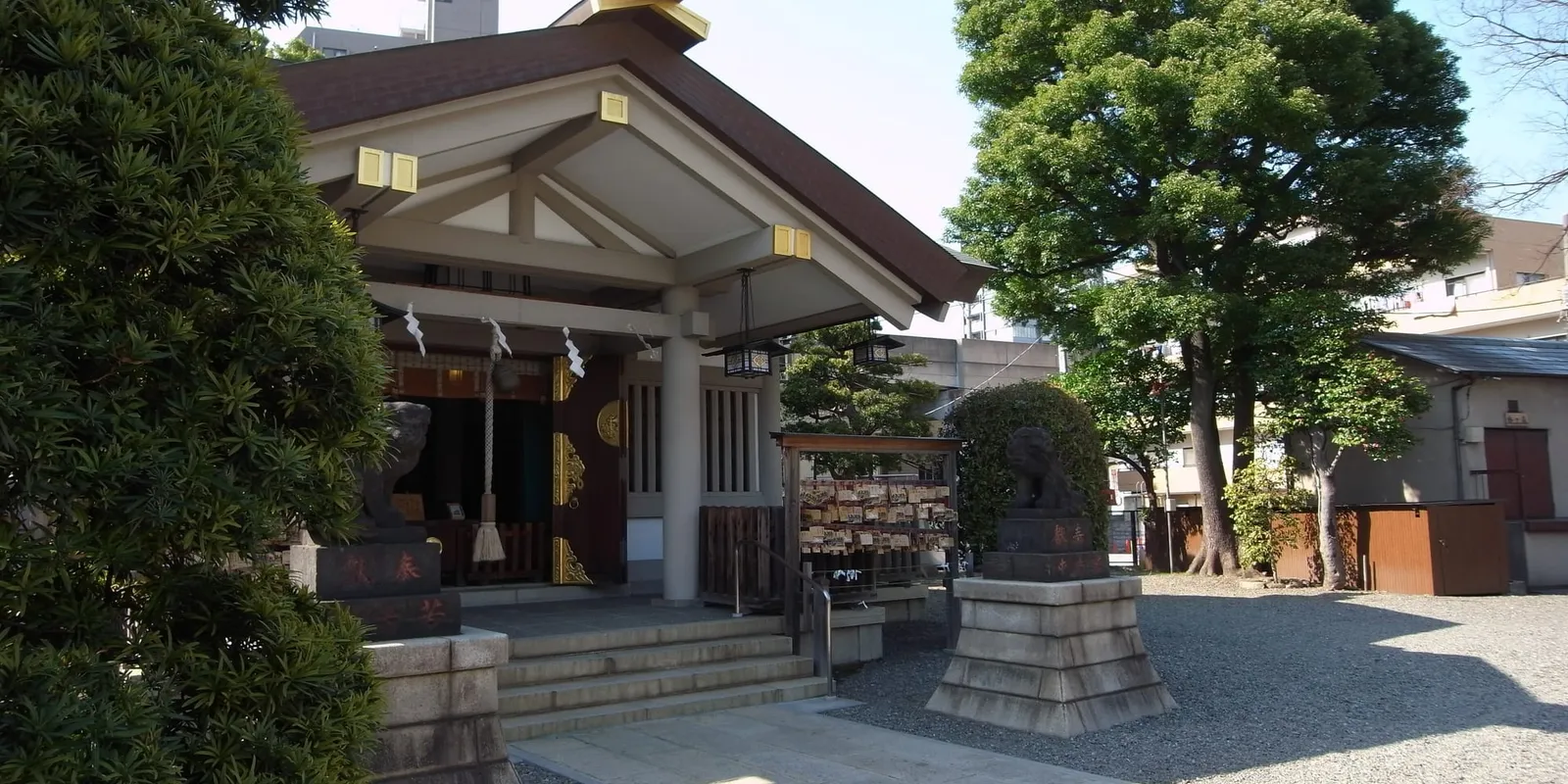
In 1965 (Showa 40), a new main hall in the shinmei-zukuri style was completed on the grounds of Tenso Shrine, and on November 1 of that year the two shrines were merged as “Tenso/Suwa Shrine.” The late head priest Ono Yoshio had wished to call the merged shrine “Oi Shinmei-gu,” and the official site records this as its popular name. In the Reiwa era, divided spirits from the associated Hamakawa Shrine (Susanoo, Omononushi and Sukunahikona, revered as protectors against misfortune) were also enshrined here, so the shrine now honors seven deities as “Tenso Suwa no Okami.” The official history also states that the documents of Hamakawa Shrine were designated a tangible cultural property of Shinagawa Ward as the “Hamakawa Jinja Monjo” (this concerns the associated shrine, and it has not been checked against ward records).
Highlights
In the broadcast of TV Tokyo’s “Shutsubotsu! Ad-machic Tengoku” on December 7, 2024 (the Tachiaigawa episode), the program’s official page lists Tenso Suwa Shrine at No. 3. The page describes it as the guardian shrine of Tachiaigawa on the old Tokaido road, enshrining Fukurokuju among the Tokai Seven Lucky Gods that are worshipped at shrines and temples from Kita-Shinagawa to Omori (the content reflects the time of broadcast).
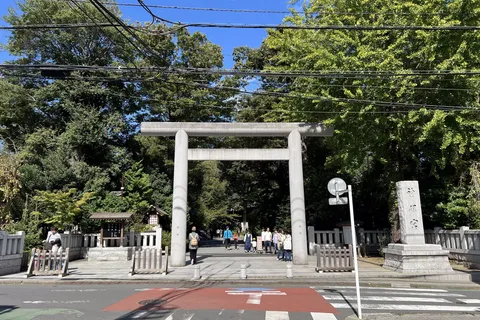
A stone-paved approach runs straight through the residential neighborhood, lined by a shrine-name pillar erected in 1935 and a torii gate erected in 1938 (per the official grounds guide). The present main hall was built in 1965 and enshrines seven deities. The komainu guardian lions in front of the hall are the ones that stood at Suwa Shrine, dedicated in 1867.
The grounds also hold Itsukushima Shrine, surrounded by a pond of koi, and an Inari shrine. A festival is held at Itsukushima Shrine every year on the first Snake Day of June, and at the Hatsuuma festival at the Inari shrine in February, local parishioners serve sweets and sweet red-bean soup to children (per the official site). A memorial stone for Russo-Japanese War veterans, erected by local volunteers in 1907, also stands on the grounds.
The Fukurokuju sacred object (Fuku) is normally not open to view and is enshrined before the sanctuary during the Tokai Seven Lucky Gods New Year period. The statue (Roku) normally stays at the back left of the main hall, and during the period visitors can touch it at a prayer area beside the shrine office.
Visiting Tips
Goshuin: Available at the shrine office. According to the official site, the regular goshuin is ¥500 and pre-written sheets are also available; the calligraphy style varies with the writer. Limited-edition goshuin are offered for the Grand Festival, the Itsukushima Shrine festival and the Tokai Seven Lucky Gods New Year period. The original goshuin book (¥1,500) features the character “勝” (victory) and a five-color shrine crest. The office is open 9:00 AM-4:00 PM but may close earlier depending on shrine duties. Amulets and talismans cannot be mailed or reserved.
Tokai Seven Lucky Gods: The pilgrimage covers about 4.5 km of the old Tokaido road from Shinagawa Shrine in Kita-Shinagawa to Iwai Shrine in Omori, and Tenso Suwa Shrine is the sixth stop, with Fukurokuju. In the 2026 official guide, the period was January 1-12, 9:00 AM-5:00 PM, and the shikishi card for all seven shrines and temples cost ¥2,000 (limited to 300 per year). A “Fuku-mamori” amulet themed on the Fuku, Roku and Ju of Fukurokuju (limited to 300, distributed from 10:00 PM on New Year’s Eve) was also announced. Details can change each year, so check the official site for the latest period and offerings.
Access: About 1 minute on foot from Tachiaigawa Station (Keikyu Main Line) and about 10 minutes from Oi-Keibajo-mae Station (Tokyo Monorail). By car, the old Tokaido road is one-way, and the official site recommends entering via the “Oi Fire Station-mae” intersection (it warns that car navigation may route you down a narrow road behind the shrine). There are parking spaces on the grounds for visitors coming to worship or for prayer services (the number of spaces and any fee are not stated).
Prayer services: Prayers for protection from misfortune, disaster prevention and good fortune, good health, and protection from all directions are accepted from 9:00 AM to 4:00 PM. Advance reservation is required, and same-day prayers may not be possible (tel. +81-3-3765-2061).
Annual Festivals
The official site’s annual festival calendar (2026 dates) is below. Dates change from year to year, so please check the official site before visiting.
- New Year’s Day Festival (Jan 1, 6:30 AM)
- Hatsuuma Festival (February): The Inari shrine festival, with sweets and sweet red-bean soup for children served by local parishioners.
- Nori Festival (Apr 16, 4:00 PM)
- Itsukushima Shrine Festival (first Snake Day of June; June 12, 4:00 PM in 2026)
- Summer Great Purification (Jun 29, 5:00 PM)
- Grand Festival (Sept 16, or the nearest Saturday and Sunday; Sept 16, 19 and 20 in 2026): The shrine’s largest festival, with a limited-edition goshuin offered.
- Tori-no-ichi (November; Nov 7 and 19 in 2026)
- Shichi-go-san visits (around Nov 15)
- Niiname-sai (Nov 23, 4:00 PM)
- Year-End Great Purification (Dec 29, 4:00 PM)
- Monthly Festival (1st and 15th of each month, 8:30 AM)
Nearby Food & Sightseeing
- Shinagawa-dera Temple: The fifth stop (Bishamonten) of the Tokai Seven Lucky Gods, one before Tenso Suwa Shrine on the official model route. You can walk the old Tokaido road from one to the next.
- Iwai Shrine: The seventh and final stop (Benzaiten) of the pilgrimage, in Ota Ward. You can walk there along the old Tokaido road after Tenso Suwa Shrine.
- Soba Kaiseki Tachiaigawa Yoshidaya: A soba kaiseki restaurant on the old Tokaido road (2-15-13 Higashi-Oi) that is linked from the shrine’s official site. According to the restaurant’s own site, it was founded in 1856, is about a 6-minute walk from Tachiaigawa Station, and is closed on Tuesdays and the 1st and 3rd Mondays. In the December 7, 2024 Tachiaigawa broadcast, “Tachiaigawa Yoshidaya” was listed at No. 5 (per the program’s official page).
Frequently Asked Questions
- Q. What are the visiting hours, and is there parking?
- A. The official site does not state opening hours for the grounds. The shrine office (amulets, goshuin and prayer reception) is open 9:00 AM-4:00 PM, and may close earlier depending on shrine duties. There are parking spaces on the grounds for visitors coming to worship or for prayer services: enter through the torii gate and turn right up the slope (the number of spaces and any fee are not stated, and unauthorized parking is not allowed). The nearest station is Tachiaigawa on the Keikyu Main Line, about a 1-minute walk.
- Q. Can I get a goshuin?
- A. Yes, at the shrine office. According to the official site, the regular goshuin is ¥500 and pre-written sheets are also available. Limited-edition goshuin are offered for the Grand Festival, the Itsukushima Shrine festival and the Tokai Seven Lucky Gods New Year period, and are announced under "Latest News" on the official site as the dates approach. The original goshuin book costs ¥1,500.
- Q. Which of the Seven Lucky Gods is enshrined here?
- A. Fukurokuju. The Tokai Seven Lucky Gods pilgrimage links seven shrines and temples along the old Tokaido road, from Shinagawa Shrine to Iwai Shrine, and Tenso Suwa Shrine is the sixth stop. According to the official site, there are two Fukurokuju figures, called Fuku and Roku: the Fuku sacred object is enshrined before the main sanctuary during the New Year period, and visitors can touch the Roku statue at a temporary prayer area beside the shrine office during that period.
- Q. Why does the shrine have two names, Tenso and Suwa?
- A. It was formed from two shrines that once stood on opposite sides of the Tachiai River: Tenso Shrine (Shinmei-gu) and Suwa Shrine (Suwa-sha). They were merged on November 1, 1965. The official site says Tenso Shrine enshrines Amaterasu Omikami and Toyouke no Omikami, and Suwa Shrine enshrines Takeminakatatomi no Kami and Ousu no Mikoto. In the Reiwa era the deities Susanoo, Omononushi and Sukunahikona were added from the associated Hamakawa Shrine, bringing the total to seven deities.
- Q. Has the shrine been featured on TV?
- A. Yes. TV Tokyo's program "Shutsubotsu! Ad-machic Tengoku" (known as Adomachi) featured Tachiaigawa in its broadcast of Saturday, December 7, 2024, and the program's official page lists Tenso Suwa Shrine at No. 3. The page describes it as the guardian shrine of Tachiaigawa on the old Tokaido road, enshrining Fukurokuju among the Tokai Seven Lucky Gods.
Plan Your Visit
Before you go, you can book a stay and get your shrine-visit items ready.
Amazon links open Amazon.co.jp (Japan) in English; whether an item ships overseas depends on the product.
※ Contains ads (PR). Links open external sites such as Amazon, Rakuten, Trip.com and Booking.com.