History
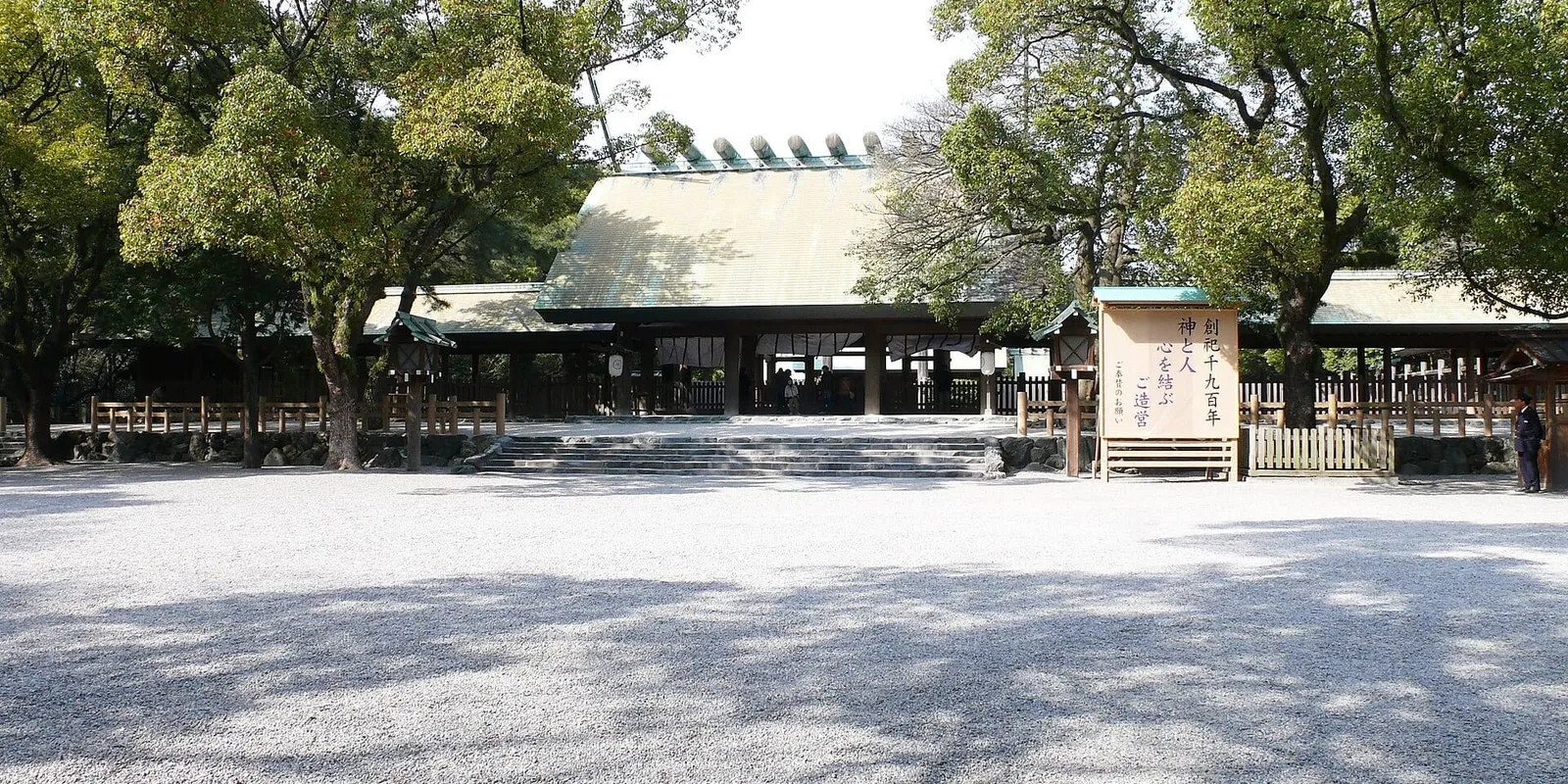
Atsuta Jingu enshrines the Kusanagi no Mitsurugi, the sacred sword that is one of Japan’s Three Imperial Regalia, as its sacred object. The enshrined deity, Atsuta no Okami, is identified with Amaterasu Omikami, who is said to dwell within the sword. Ranked second in prestige only to Ise Jingu, it has long been affectionately known as “Atsuta-san” and has received deep reverence from the imperial family and countless worshippers alike.
Tradition holds that the shrine’s origins trace back to Yamato Takeru no Mikoto, a legendary prince who left the Kusanagi sword here during his eastern military campaign, and the shrine has since been venerated as a guardian of the nation. From the medieval period onward, it drew devotion from many warlords, including the three great unifiers of the Warring States era: Oda Nobunaga, Toyotomi Hideyoshi, and Tokugawa Ieyasu. Notably, in 1560, Oda Nobunaga prayed here for victory before departing for the Battle of Okehazama, and the earthen wall known as “Nobunaga-bei,” said to have been donated in gratitude after his triumph over Imagawa Yoshimoto, still stands today. Together with the walls of Nishinomiya Shrine and Sanjusangen-do, it is counted among Japan’s “Three Great Earthen Walls,” and roughly 120 meters of it remain on the grounds.
Highlights
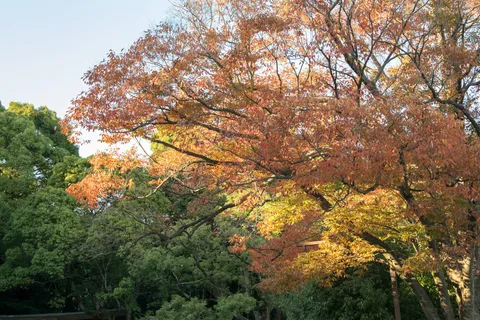
The grounds hold a majestic sacred forest, including a great camphor tree believed to be over 1,000 years old, enveloping the shrine in a tranquil atmosphere despite its location in the heart of the city. The Treasure Hall houses and displays numerous sacred treasures, including swords, and many visitors make a point of viewing the collection during their visit.
Visiting Tips
The grounds are open for worship 24 hours a day, and visiting in the clear morning air is especially recommended. Many festivals are held throughout the year, and the Atsuta Festival in June — also known as “Shobu-sai” — is particularly lively, drawing large crowds of visitors.
Annual Festivals
- Hatsu-ebisu (January 5): A New Year event praying for business prosperity, household safety, and a bountiful catch, drawing many visitors from late night onward.
- Hosha Shinji (January 15): An archery ritual following ancient custom, performed to ward off evil and pray for a peaceful year.
- Kinen-sai (March 17): A spring festival praying for a bountiful harvest and industrial prosperity.
- Reisai / Atsuta Matsuri (June 5): Atsuta Jingu’s largest festival, attended by an imperial envoy. Also called “Shobu-sai,” it draws around 250,000 visitors for dedicated fireworks and lantern displays.
- Niiname-sai (October 17): A harvest thanksgiving festival offering gratitude for the year’s crops.
- Osusu-osame Shinji (December 25): A year-end ritual purifying the shrine buildings in preparation for the New Year.
Nearby Food & Sightseeing
- Atsuta Horaiken Jingu: A long-established eel restaurant near the south gate, renowned for Nagoya’s signature hitsumabushi dish.
- Miya Kishimen Jingu: A teahouse on the shrine grounds serving Nagoya’s famous kishimen flat noodles in a bonito-rich broth.
- Nagoya Castle: Easily reached from Atsuta Jingu, this is a classic Nagoya sightseeing spot that many visitors combine with their shrine visit.
Frequently Asked Questions
- Q. What are the visiting hours?
- A. The grounds are open all day; the Treasure Hall is open 9:00–16:30.
- Q. When is the goshuin office open?
- A. Around 9:00–16:30, for ¥500.
- Q. Is there parking?
- A. Yes, free parking is available (gates close at 17:00).
- Q. What is the Nobunaga Wall?
- A. An earthen wall said to have been donated by Oda Nobunaga in thanks for his victory at the Battle of Okehazama — one of Japan's "three great earthen walls."
- Q. How do I get there?
- A. About a 3-minute walk from Meitetsu Jingu-mae Station, or about a 7-minute walk from Atsuta-jingu-Denmacho Station on the subway.