
History
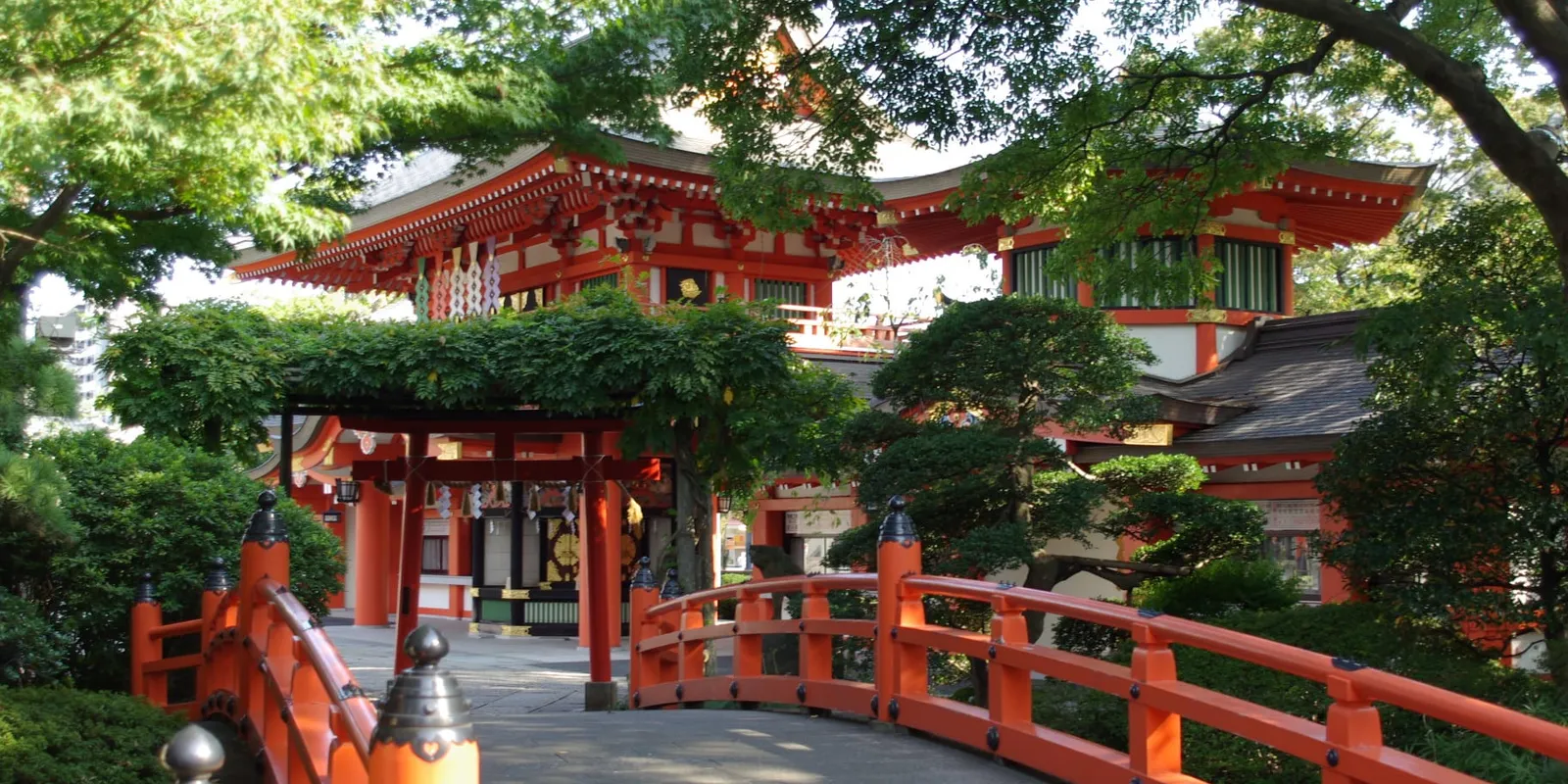
Chiba Jinja’s origins trace back to a hall of Myoken worship that the Chiba clan brought with them when they relocated their base to this area. According to tradition, Taira no Yoshifumi, an ancestor of the Chiba clan, always won his battles after praying to the Myoken deity, and as a result the Chiba clan came to revere “Myoken-sama” as their guardian deity across generations. In Choho 2 (1000), the Chiba clan built a hall enshrining Myoken Bosatsu on the present shrine grounds. The site flourished as the clan’s guardian shrine until 1590, when the Chiba clan fell to the forces of Toyotomi Hideyoshi and lost its patronage.
The site continued to draw worshippers as a Buddhist temple in the centuries that followed, but the Meiji-era separation of Shinto and Buddhism stripped away its Buddhist elements, and it was reorganized as Chiba Jinja, enshrining Amenominakanushi no Okami as its principal deity. Amenominakanushi, worshipped locally as “Myoken-sama,” is a star deity associated with destiny, and is enshrined here alongside Futsunushi no Mikoto and Yamato Takeru no Mikoto.
Highlights
The single greatest highlight of Chiba Jinja is the “Fukuden,” a two-story shrine building of a design found almost nowhere else in Japan. It combines the honden and haiden into one unified structure and includes an octagonal hall enshrining eight star deities said to protect the eight cardinal directions, the five elements, the twelve zodiac signs, and the parts of the human body — an arrangement unlike any other shrine’s.
The grounds also offer several interactive spots where visitors can take part directly in their prayers, such as the “Myoken-sama no Ido” well, where visitors pray for the fulfillment of their wishes, and the “Chi no Wa,” a ring worshippers pass through to receive a blessing of wisdom.
Visiting Tips
The grounds are open 6:00–18:00, and prayer reception runs until 15:30. Goshuin stamps are available at the amulet window from 9:00 to 17:00. Since there is no shrine-operated parking, visiting by public transportation is recommended. At night, the shrine is illuminated by lanterns, taking on an atmosphere quite different from its daytime look.
Annual Festivals
- Myoken Grand Festival, the “Dara-dara Matsuri” (August 16–22): Chiba Jinja’s largest annual festival, running for seven straight days in a nod to the seven stars of the Big Dipper. One of the longest-running shrine festivals in the Kanto region, it features a portable shrine procession and a wide range of other rites.
- Setsubun Festival (February 3): A rite praying for protection from misfortune in the year ahead.
- Shichi-Go-San Visits (November): A season that draws families celebrating their children’s growth.
- New Year’s Visits (January 1–3): Large crowds come seeking the shrine’s blessings of protection from misfortune and from bad directions.
Nearby Food & Sightseeing
- Chiba Chuo Park: A plaza facing the main avenue in front of Chiba Station, a convenient spot for a stroll before or after visiting the shrine.
- Chiba Ginza Street: A shopping street running south from Chuo Park, lined with restaurants convenient for a stop on the way to or from the shrine.
- Sogo Chiba: A large department store in front of Chiba Station with plenty of restaurants and shopping floors, convenient for a meal or shopping before or after your visit.
Frequently Asked Questions
- Q. What are the visiting hours?
- A. The grounds are open 6:00–18:00. Prayer reception runs 9:00–15:30, and the amulet/goshuin window is open 9:00–17:00.
- Q. When is the goshuin office open?
- A. 9:00–17:00, for ¥500.
- Q. Is there parking?
- A. There is no shrine-operated parking lot; visitors use nearby coin-operated parking.
- Q. What is the "Dara-dara Matsuri"?
- A. It's the popular nickname for the Myoken Grand Festival, Chiba Jinja's annual festival held every August. It runs for seven straight days, from August 16 to 22, a length said to echo the seven stars of the Big Dipper associated with Myoken worship.
- Q. How do I get there?
- A. About a 10-minute walk from JR or Keisei Chiba Station, or about a 6-minute walk from Sakae-cho Station on the Chiba Urban Monorail.
Related Shrines
Shiga, Otsu
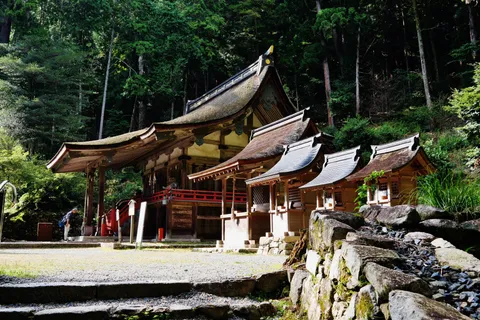
Hiyoshi Taisha
Hiyoshi Taisha
- Protection from Bad Directions
- Protection from Misfortune
- Good Fortune
Osaka Prefecture, Nishi Ward, Osaka
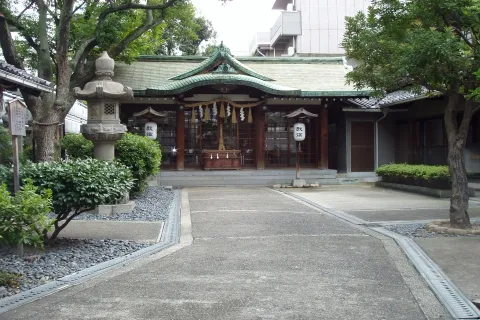
Samuhara Shrine
Samuhara-jinja
- Protection from Misfortune
- Good Fortune
- Good Health
Nara Prefecture, Nara
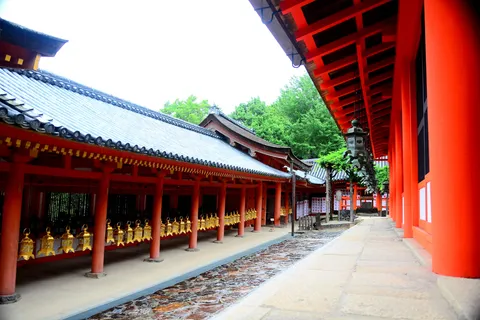
Kasuga Taisha
Kasuga-taisha
- Protection from Misfortune
- Good Fortune
- Good Relationships