History
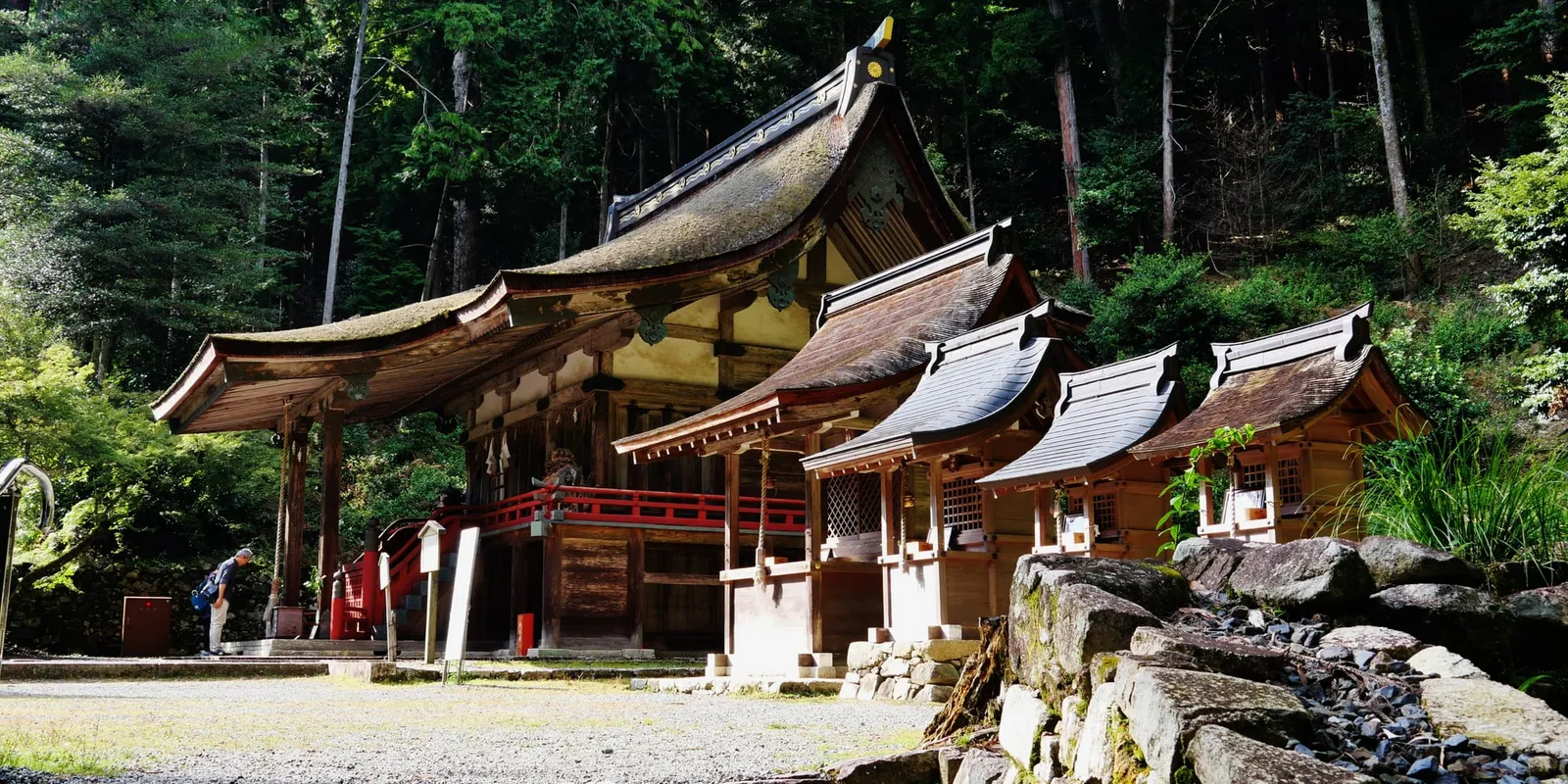
Hiyoshi Taisha traces its origins to the 7th year of Emperor Sujin’s reign, roughly 2,100 years ago, according to tradition. It serves as the head shrine of more than 3,800 Hiyoshi, Hie, and Sanno shrines found across Japan. Nestled at the eastern foot of Mt. Hiei overlooking Lake Biwa in Sakamoto, the shrine centers on two main sanctuaries: the Nishi Hongu, enshrining Onamuchi-no-Kami, and the Higashi Hongu, enshrining Oyamakui-no-Kami, surrounded by nearly 40 subsidiary shrines across the grounds.
When the capital was established at Heian-kyo (Kyoto), the shrine’s location to the northeast of the city — the traditional “demon’s gate” direction believed to invite misfortune — led it to be deeply venerated as a guardian shrine warding off evil from the capital. After the priest-scholar Saicho founded Enryaku-ji temple on Mt. Hiei in 788, the shrine came to be revered as a protective deity of Tendai Buddhism, and the syncretic Shinto-Buddhist tradition known as Sanno worship flourished on its grounds.
During the Sengoku period, most of the shrine’s buildings were burned down when Oda Nobunaga’s forces set fire to Mt. Hiei, but reconstruction proceeded under the patronage of Toyotomi Hideyoshi and Tokugawa Ieyasu. The current Nishi Hongu and Higashi Hongu honden, both rebuilt in the Momoyama period, are now designated National Treasures. The shrine’s monkey messenger, “Masaru,” has long been cherished as an auspicious figure, its name echoing the Japanese phrases for “warding off evil” and “excelling.”
Highlights
The Sanno Torii at the entrance to the grounds is a distinctive gate with a gassho-style gable, a rare form found at few other shrines that reflects the Shinto-Buddhist syncretism once practiced here. The National Treasure honden of the Nishi Hongu and Higashi Hongu preserve the unique “Hiyoshi-zukuri” architectural style, and both display the imposing craftsmanship of the Momoyama period.
The Omiya River runs through the grounds, crossed by three stone bridges — Omiyabashi, Hashiribashi, and Ninomiyabashi — all designated Important Cultural Properties. The shrine is also known as a celebrated spot for autumn foliage, with around 3,000 maple trees turning color each November, when the Momiji Matsuri festival lights them up at night. Statues of the sacred monkey scattered throughout the grounds add another pleasure to any visit.
Visiting Tips
The grounds are extensive, with the Nishi Hongu, Higashi Hongu, and numerous auxiliary shrines spread across the site — allow about an hour to see the main buildings, or closer to two hours for a thorough visit. Sakamoto, the temple town at the shrine’s doorstep, is known for its picturesque streets lined with Anou-style stone walls, well worth a stroll before or after your visit. The grounds get especially crowded during the autumn foliage season and the Sanno Festival, so plan for extra time during those periods.
Annual Festivals
- Sanno Festival (April 12–14): Hiyoshi Taisha’s largest festival and one of the three great festivals of the Lake Biwa region. On the 12th, the “Horse Ritual” brings the mikoshi down from the mountain; on the 13th, child attendants in miniature armor parade through the “Flower Crossing” ceremony; and on the 14th, the mikoshi are carried out onto Lake Biwa by boat in a dramatic ceremony.
- Momiji Matsuri Autumn Foliage Festival (November 1–30): Timed to the turning of the shrine’s roughly 3,000 maple trees, this festival lights up the “Momiji Road” between the Omiyabashi bridge and the Sanno Torii in a magical evening illumination.
- Oharae Purification Ceremony (December 31): A rite to cleanse the accumulated impurities and transgressions of the past six months, held on New Year’s Eve afternoon at the Hashiribara Harae-dono, preparing worshippers to greet the new year with a clean heart.
Nearby Food & Sightseeing
Sakamoto flourished historically as the temple town at the foot of Enryaku-ji on Mt. Hiei, and long-established restaurants and historic sites cluster around the approach to Hiyoshi Taisha.
- Honke Tsuruki Soba: A venerable soba restaurant said to have been founded by a monk from Enryaku-ji, one of Sakamoto’s signature eateries, serving noodles in a building recognized as a Registered Tangible Cultural Property.
- Kyu-Chikurin-in: A scenic former temple residence preserving a traditional strolling garden, where visitors can enjoy matcha and Japanese sweets while taking in the view.
Frequently Asked Questions
- Q. What are the visiting hours?
- A. 9:00–16:30.
- Q. When is the goshuin office open?
- A. Around 9:00–16:30; from ¥300 (¥500 for the gold-ink goshuin, ¥1,000 for limited-time special ones — 16 varieties in total).
- Q. Is there parking?
- A. Yes, about 50 free spaces (with overflow parking and a shuttle bus during busy periods like the autumn foliage season).
- Q. How long should I plan for a visit?
- A. About an hour for the main halls alone, or around 2 hours to see everything at a relaxed pace.
- Q. How do I get there?
- A. About a 20-minute walk from Hieizanzakamoto Station on the JR Kosei Line, or about a 10-minute walk from Sakamoto Station on the Keihan line.
Related Shrines
Shiga, Taga
Taga Taisha
Taga Taisha
- Longevity
- Good Relationships
- Protection from Misfortune
Chiba, Chiba (Chuo-ku)
Chiba Jinja
Chiba-jinja
- Protection from Bad Directions
- Protection from Misfortune
- Good Fortune
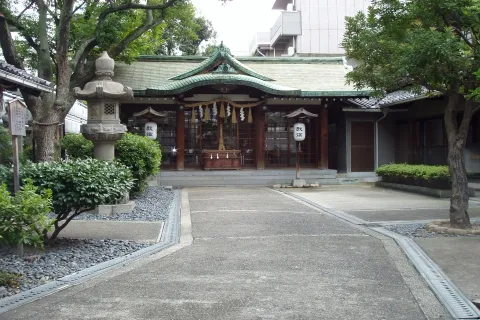
Osaka Prefecture, Nishi Ward, Osaka
Samuhara Shrine
Samuhara-jinja
- Protection from Misfortune
- Good Fortune
- Good Health