History
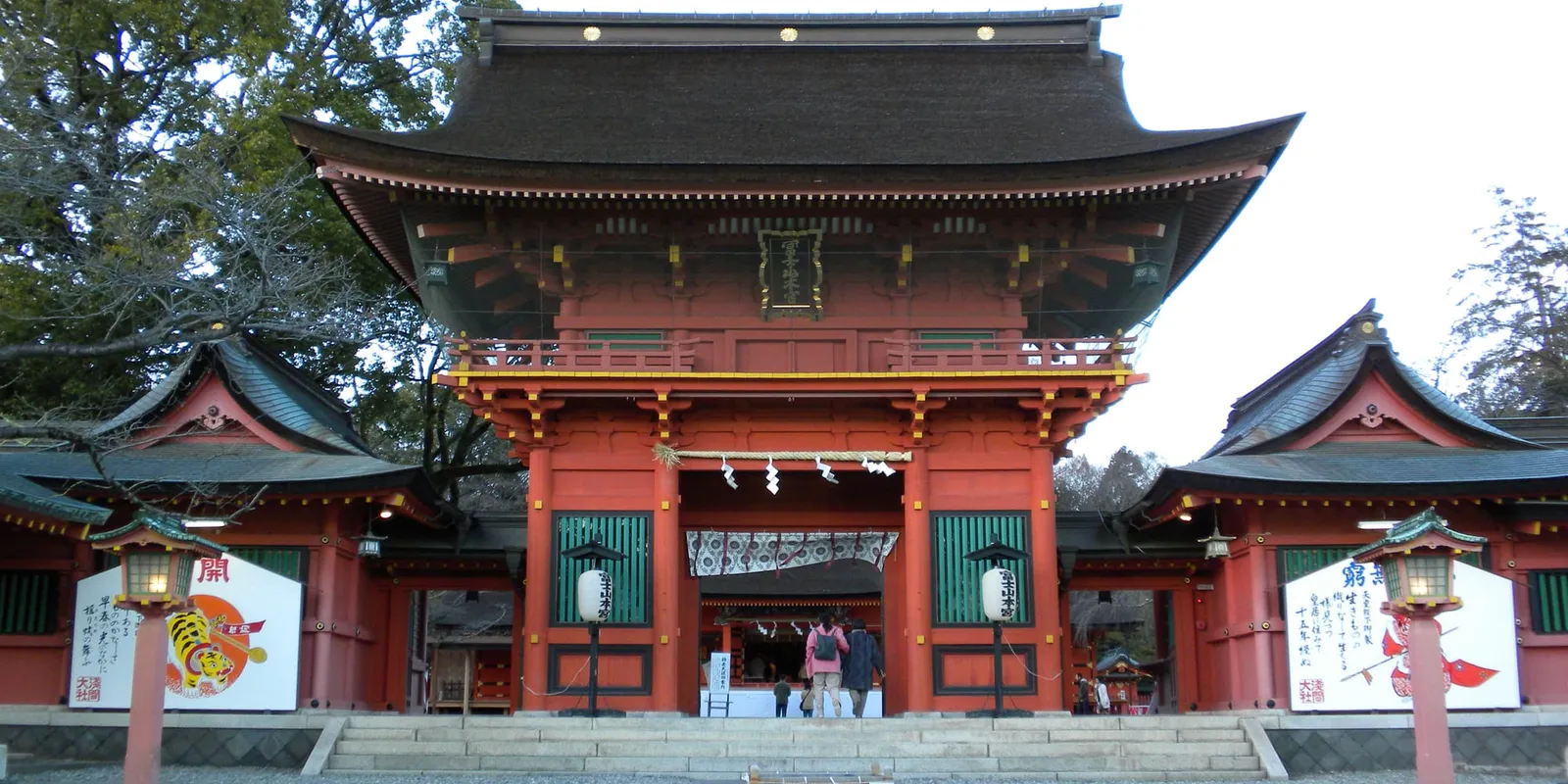
Fujisan Hongu Sengen Taisha is the head shrine of the roughly 1,300 Sengen shrines found across Japan. The enshrined deity, Konohanasakuya-hime no Mikoto, also known as “Asama no Okami,” is said in myth to have safely given birth while surrounded by fire, and has long been deeply worshipped as a deity who calms fires and protects safe childbirth.
According to shrine tradition, Mt. Fuji once erupted violently, scattering the people who lived around it, and in 27 BCE (the 3rd year of Emperor Suinin’s reign), Asama no Okami was enshrined to calm the mountain’s spirit — marking the beginning of a shrine with roughly 2,000 years of history. The rites performed to calm Mt. Fuji’s eruptions became the very wellspring of Mt. Fuji worship itself.
Shrine tradition holds that in 806 the shrine was relocated from the site of Yamamiya Sengen Shrine, further to the north, to its present location. During the Heian period it received high rank from the imperial court and was regarded as the center of rites to calm the spirit of the frequently erupting Mt. Fuji. The Azuma Kagami records that shrine buildings were constructed in 1223, during the Kamakura period, and in the Edo period Tokugawa Ieyasu, in gratitude for victory at the Battle of Sekigahara, donated funds for construction of the shrine buildings; the present main hall was completed in 1606. This main hall is built in the rare two-story “Sengen-zukuri” style and is designated an Important Cultural Property.
A Shrine United with Mt. Fuji
Fujisan Hongu Sengen Taisha is known for owning not only the main shrine grounds in Fujinomiya but also a vast tract of roughly 3.85 million square meters covering the area above the eighth station of Mt. Fuji. An “Okumiya” (inner shrine) sits at the summit, meaning that climbers who reach the top are, in fact, walking on the shrine’s own grounds. In 2013, Mt. Fuji was registered as a UNESCO World Cultural Heritage Site under the name “Fujisan, sacred place and source of artistic inspiration,” with the Hongu counted among its constituent assets.
Highlights
Wakutama Pond, which wells up within the shrine grounds, is a Special Natural Monument fed by Mt. Fuji’s snowmelt after it filters slowly through the underground rock over many years. Climbers of Mt. Fuji once purified themselves in this pond before setting out for the mountain. The shrine is also known as a cherry blossom destination, with around 500 trees coloring the grounds each spring.
Visiting Tips
Fitting for a shrine at the heart of Mt. Fuji worship, the grounds offer a view of the mountain’s grand form under the right conditions. Given the expansive grounds, it’s worth taking your time to stroll around, taking in both Wakutama Pond and the main hall.
Annual Festivals
- Oka Matsuri (late March to early April): A spring festival held in honor of the enshrined deity Konohanasakuya-hime no Mikoto, timed to the peak of the cherry blossoms on the grounds.
- Yabusame Matsuri (May 4–6): A traditional event said to originate from Minamoto no Yoritomo’s dedication of mounted archery here in 1193, after holding a hunting event at the foot of Mt. Fuji.
- Mt. Fuji Opening Festival (July 10): A festival held at the opening of the Mt. Fuji climbing season, praying for the safety of climbers.
- Reisai (November 4–5): An important autumn festival held together with the Fujinomiya Festival.
Nearby Food & Sightseeing
- Omiya Yokocho: An outdoor food court right in front of Sengen Taisha, offering local specialties like Fujinomiya yakisoba and Shizuoka oden.
- Kokozurayo: An antenna shop on the grounds of the Sengen Taisha parking lot, known for its chewy Fujinomiya yakisoba.
- Mt. Fuji World Heritage Centre: Adjoining Sengen Taisha, this facility features a unique building evoking an inverted Mt. Fuji and offers exhibits on the history and culture of Mt. Fuji worship.
Frequently Asked Questions
- Q. What are the visiting hours?
- A. 5:00–20:00 (6:00–19:00 from November to February).
- Q. When is the goshuin office open?
- A. 8:30–16:30, for ¥500.
- Q. Is there parking?
- A. Yes, dedicated paid visitor parking is available.
- Q. Is the Okumiya at the summit of Mt. Fuji part of the same shrine?
- A. Yes — everything above the 8th station of Mt. Fuji is part of this shrine's grounds, with the Okumiya (inner shrine) enshrined at the summit.
- Q. How do I get there?
- A. About a 10-minute walk from Fujinomiya Station on the JR Minobu Line.
Related Shrines
Yamanashi, Fujiyoshida
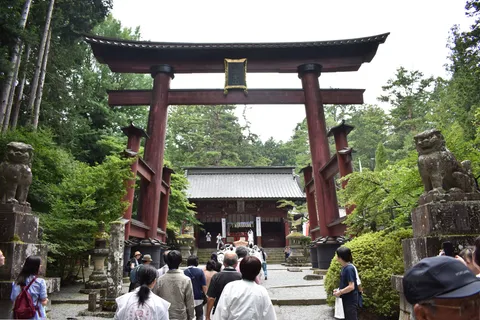
Kitaguchi Hongu Fuji Sengen Jinja
Kitaguchi Hongū Fuji Sengen Jinja
- Safe Childbirth
- Fire Prevention
- Good Fortune
Aichi Prefecture, Inuyama
Ōagata Jinja
Ōagata Jinja
- Safe Childbirth
- Blessing of Children
- Good Matches / Relationships
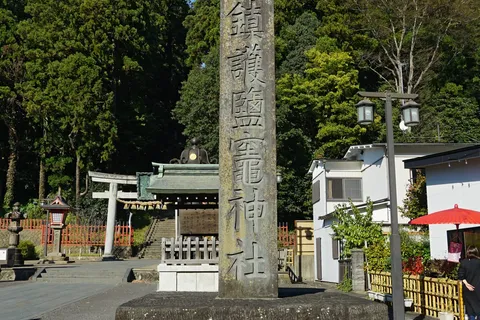
Miyagi Prefecture, Shiogama
Shiogama Jinja
Shiogama-jinja
- Maritime Safety
- Safe Childbirth
- Longevity