History
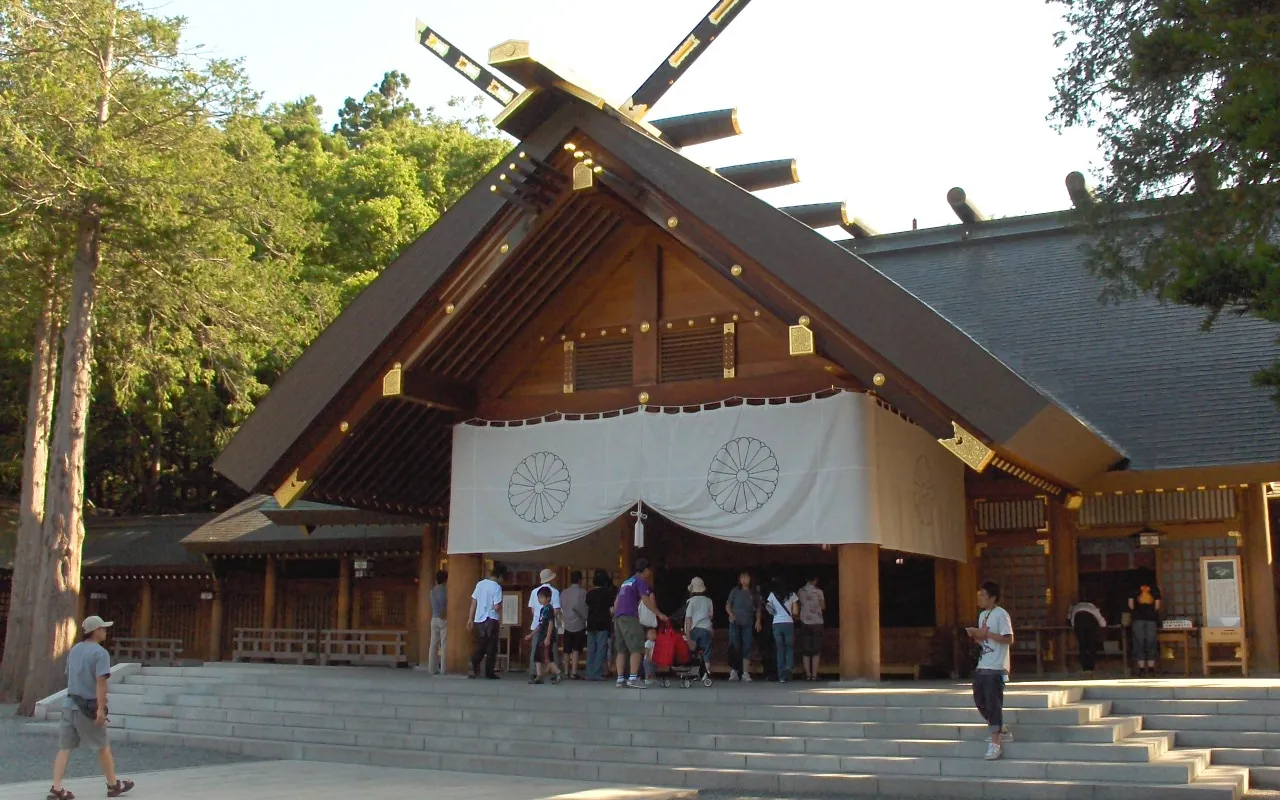
Hokkaido Jingu began in 1869, when, by order of Emperor Meiji at the start of Hokkaido’s development, the “Three Deities of Development” — Okunitama no Kami, Onamuchi no Kami, and Sukunahikona no Kami — were enshrined here. It serves as the guardian shrine of all Hokkaido. Originally named “Sapporo Shrine,” it was renamed to its current “Hokkaido Jingu” in 1964, when Emperor Meiji was also enshrined alongside the original three deities.
The shrine symbolizes the history of the people who cleared and settled Hokkaido’s land amid its harsh natural environment, and it continues to receive deep reverence from across the entire region today.
The development official Shima Yoshitake, known as the “father of Hokkaido’s development,” was deeply involved in the shrine’s founding; he is said to have personally carried the sacred spirit on his back from Hakodate to Sapporo in 1869 and to have decided to build the shrine buildings on the site of Maruyama, then still primeval forest. A temporary shrine building was initially placed in the town of Sapporo, but in 1871 the shrine was relocated to its present site at Maruyama and ranked as a Kokuhei Shosha (minor national shrine) under the name “Sapporo Shrine.” It was later renamed “Hokkaido Jingu” in 1964, when Emperor Meiji was enshrined alongside the original deities, firmly establishing its status as the guardian shrine of Hokkaido in both name and substance.
Highlights
The grounds are surrounded by a vast forest of roughly 180,000 square meters and are cherished by the people of Sapporo as a place of relaxation. The cherry blossoms on the grounds, centered on the Ezoyamazakura variety, reach their peak each May and are beautiful, drawing many blossom-viewers as a herald of Hokkaido’s late-arriving spring.
Visiting Tips
Many visitors combine their trip with a stroll through the adjoining Maruyama Park, enjoying its rich nature through every season. Snowfall is heavy in winter, so be sure to dress warmly.
Annual Festivals
- Sapporo Matsuri / Reisai (June 14–16): Hokkaido Jingu’s annual festival, affectionately known as “Sapporo Matsuri.” Held over three days with an eve festival, main festival, and portable-shrine procession, it is a leading early-summer festival in Sapporo. On the final day in particular, a procession of more than 1,000 people in period costume parades through the city carrying the portable shrines.
- Kinen-sai (March): A spring festival praying for a bountiful harvest and regional prosperity.
- Niiname-sai (November): An autumn festival offering thanks for the year’s harvest.
Nearby Food & Sightseeing
- Rokkatei Jingu Chaya-ten: A teahouse on the shrine grounds where visitors can rest while enjoying the Hokkaido specialty confection “Hangan-sama.”
- Rokkatei Maruyama-ten: A flagship store near Maruyama Park, with popular confections on the first floor and freshly baked pizza and other dishes in the second-floor café.
- Maruyama Zoo: Within walking distance of the shrine, this is a popular spot for families to visit together with their shrine visit.
Frequently Asked Questions
- Q. What are the visiting hours?
- A. Around 6:00–17:00, varying by season.
- Q. When is the goshuin office open?
- A. Around 9:00–16:00, for ¥500.
- Q. Is there parking?
- A. Yes, free parking is available on the grounds.
- Q. How do I get there?
- A. About a 15-minute walk from Maruyama-koen Station on the subway Tozai Line.
- Q. When's the best time to visit for cherry blossoms?
- A. Around May, when the Ezo-yamazakura cherry trees on the grounds come into full bloom.
Related Shrines
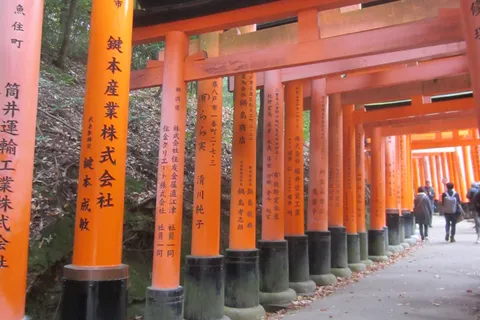
Kyoto Prefecture, Fushimi-ku, Kyoto
Fushimi Inari Taisha
Fushimi Inari Taisha
- Business Prosperity
- Bountiful Harvest
- Household Safety
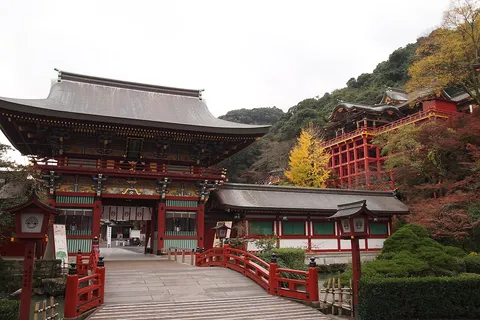
Saga, Kashima
Yutoku Inari Jinja
Yūtoku Inari-jinja
- Business Prosperity
- Household Safety
- Financial Luck
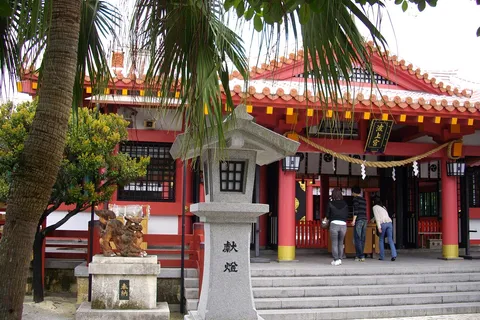
Okinawa, Naha
Naminoue Shrine
Naminoue-gū
- Maritime Safety
- Household Safety
- Business Prosperity