History
Fushimi Inari Taisha is the head shrine of the roughly 30,000 Inari shrines found across Japan. The enshrined deity, Ukanomitama no Okami, who presides over the bounty of the five grains, is said to have first been enshrined on Mount Inari in 711. Originally worshipped as a deity of agriculture, over time the shrine also came to be deeply revered as a deity of business prosperity, and today it draws worshippers from companies and shops all across the country.
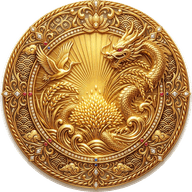
According to shrine tradition, its founding traces back to an auspicious sign: a member of the Hata clan, immigrants of continental origin, named Hata no Irogu, shot an arrow at a rice cake he had set up as a target, whereupon the cake transformed into a white bird and flew away, landing atop the mountain, where rice then grew — and it was there that the great Inari deity was enshrined. In 927, during the Heian period, the shrine was elevated to Myojin Taisha rank by the imperial court, attaining high status, and it is said to have had a deep connection to Kukai (Kobo Daishi), founder of To-ji temple, with its worship spreading in tandem with Shingon esoteric Buddhism. During the Onin War the shrine buildings were destroyed by fire, but were rebuilt through donations from across the country — and this process of revival is said to have been a major catalyst for spreading Inari worship nationwide.
Senbon Torii
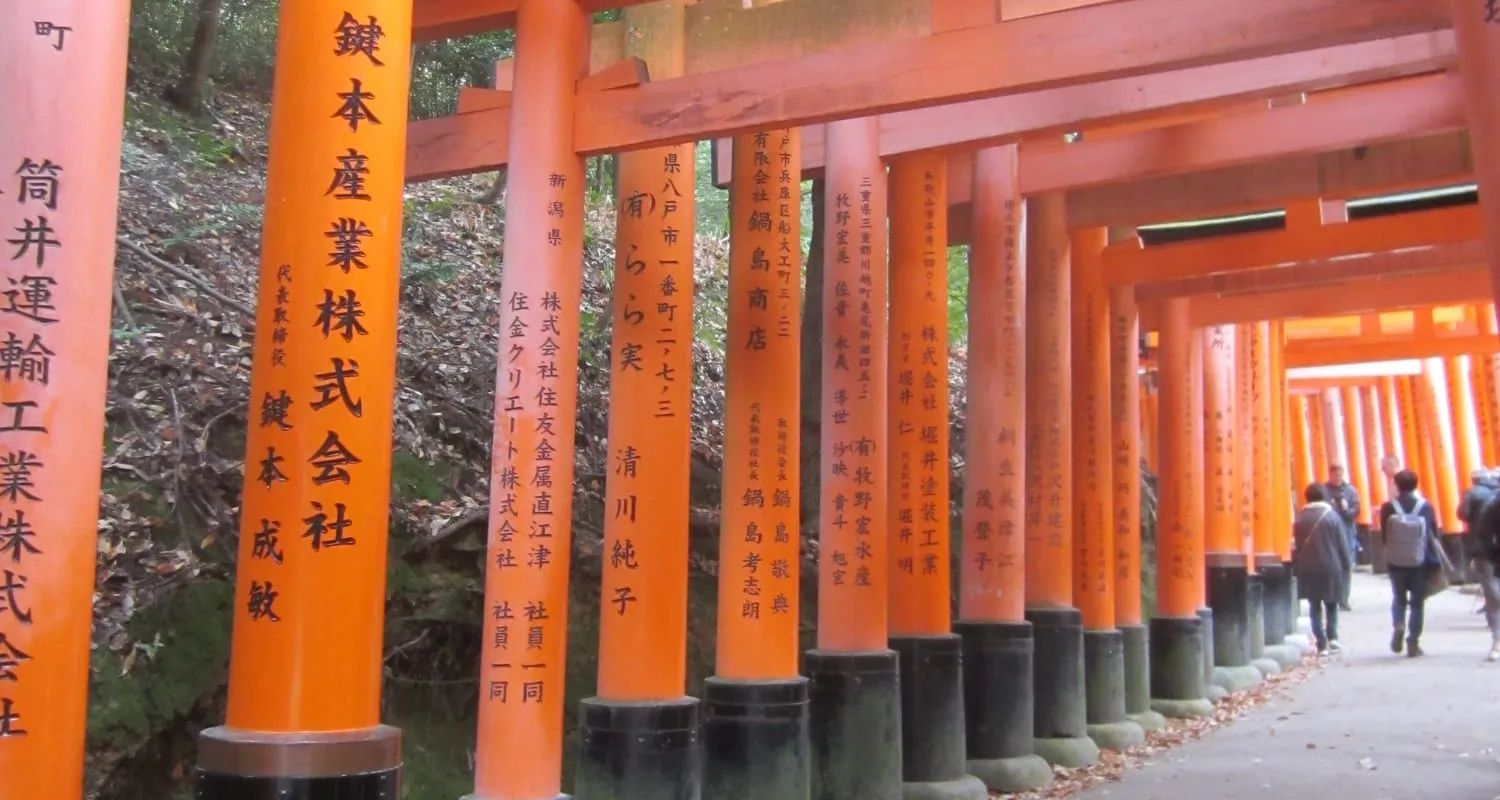
The scene that has come to symbolize Fushimi Inari Taisha is the “Senbon Torii” — countless vermillion torii gates standing in an unbroken row. This custom of dedicating torii gates spread from the Edo period onward, based on a pun on the words for “passing through” and a wish “coming true.” The actual number of gates far exceeds a thousand; across the entire approach leading to the summit of Mount Inari, roughly 10,000 torii gates are said to have been dedicated.
Visiting Tips
Beyond the Senbon Torii, the path becomes a proper mountain trail leading to the summit of Mount Inari (Ichinomine), and a full circuit takes roughly two hours. If you’re short on time, even a walk to the “Yotsutsuji” crossroads partway up is enough to fully experience the tunnel of torii gates. Comfortable walking shoes are recommended.
Annual Festivals
- Hatsuuma Taisai (around the first Day of the Horse in February): A festival marking the day the Inari deity is said to have descended to Mount Inari, also known as “Fuku-mairi,” drawing large crowds of worshippers.
- Inari Festival / Shinko-sai (around April): The opening festival of Fushimi Inari Taisha’s most important rite, in which the Inari deity is paraded through the parish.
- Inari Festival / Kanko-sai (May 3): The festival in which the deity, having toured the parish, returns to the main shrine, bringing the roughly two-week-long Inari Festival to its close.
- Hitaki-sai (November 8): An autumn festival in which straw from the rice harvest is burned in thanksgiving for the year’s crops.
Nearby Food & Sightseeing
- Nezameya: A long-established shop said to date back to 1540, known for its inari-zushi with hemp seed and grilled quail skewers.
- Oshokujidokoro Inafuku: A popular restaurant along the approach, known for serving grilled quail skewers year-round.
- Mount Inari: A 233-meter mountain rising beyond the Senbon Torii, offering the popular “Oyama-meguri” circuit up to the summit at Ichinomine.
Frequently Asked Questions
- Q. How long does it take to walk through the Senbon Torii?
- A. A full loop to the summit of Inari-san takes about 2 hours. If you're short on time, walking to the Yotsutsuji junction and back is still rewarding.
- Q. What are the visiting hours?
- A. The grounds are open all day, but the amulet office is only open around 8:30–16:30.
- Q. How do I get there?
- A. Right by foot from Inari Station (JR Nara Line), or about 5 minutes from Fushimi-Inari Station (Keihan Main Line).
- Q. How much is the goshuin?
- A. From ¥300.
- Q. What should I wear?
- A. Comfortable walking shoes are recommended, since parts of the trail climb the mountain.
Related Shrines
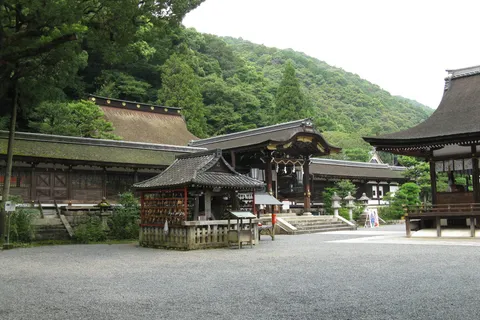
Kyoto Prefecture, Nishikyo Ward, Kyoto
Matsuo Taisha
Matsunoo-taisha
- Business Prosperity
- Bountiful Harvest
- Marital Harmony
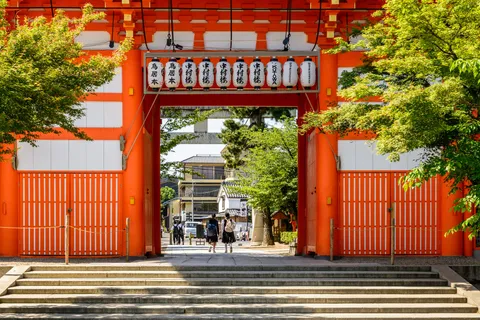
Kyoto Prefecture, Higashiyama Ward, Kyoto
Yasaka Jinja
Yasaka-jinja
- Protection from Epidemics
- Protection from Misfortune
- Business Prosperity
Kyoto Prefecture, Sakyo-ku, Kyoto
Heian Jingu
Heian-jingū
- Good Fortune
- Protection from Misfortune
- Household Safety