History
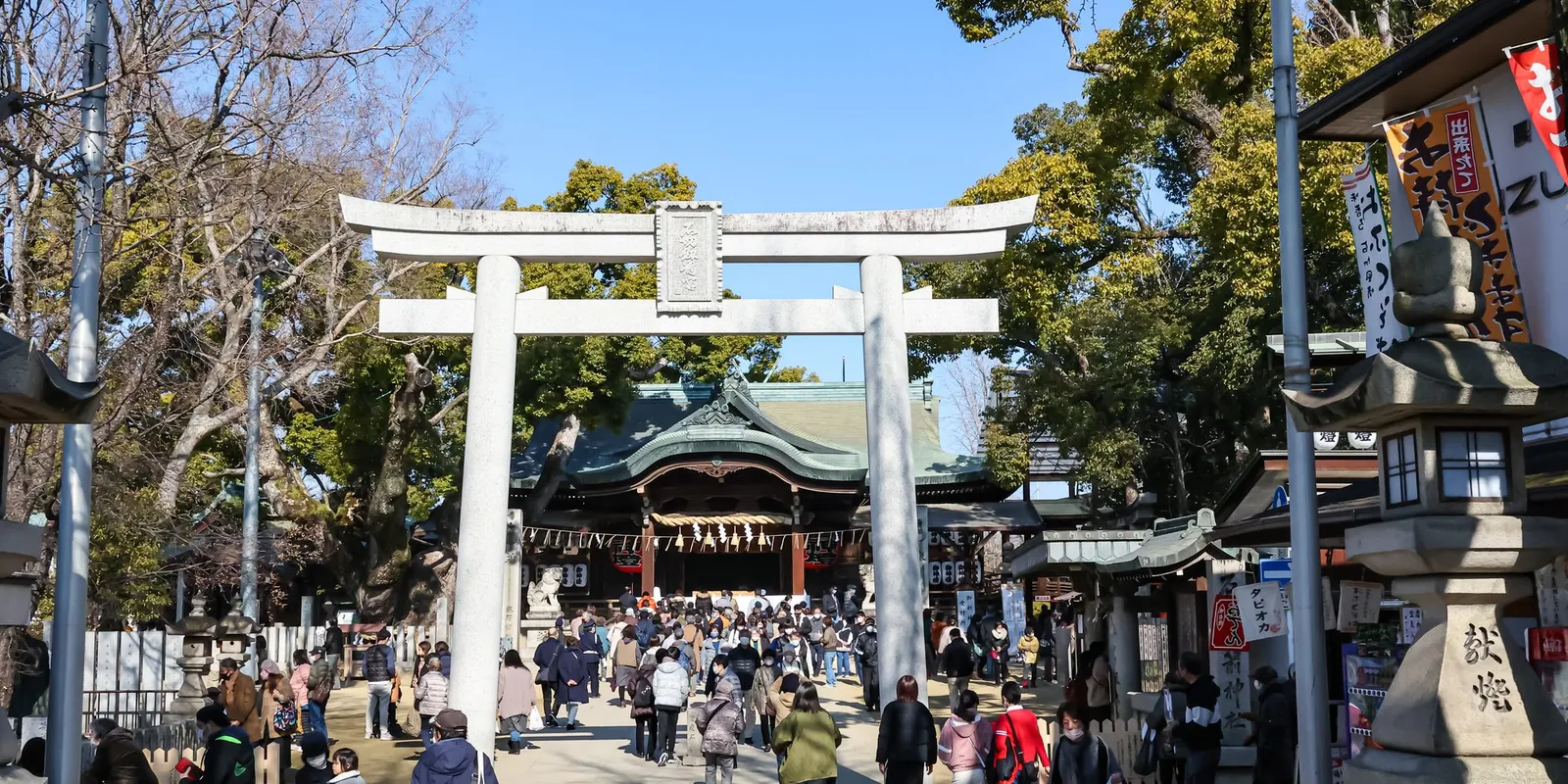
Ishikiri Tsurugiya Jinja’s origins are recorded in the Isho Denrai-ki, a traditional record kept for generations by the Kizumi family, the shrine’s hereditary priestly line. According to this account, in the second year of the reign of Japan’s legendary first emperor, Jinmu, Umashimaji-no-Mikoto enshrined his father, Nigihayahi-no-Mikoto, on Mt. Ikoma. Umashimaji himself is said to have later been enshrined near the shrine’s present location during the reign of Emperor Sujin. Repeated fires over the centuries destroyed the shrine’s buildings and records, leaving its precise founding date uncertain, but court documents already describe it as an officially recognized shrine by 865 CE, showing it held established standing by the Heian period.
The senior enshrined deity, Nigihayahi-no-Mikoto, is an elder brother to Ninigi-no-Mikoto, the deity famed for descending to earth from the heavens in Japanese mythology; Umashimaji-no-Mikoto is Nigihayahi’s own son. Both deities are said to have pacified the land using a set of ten sacred treasures received upon their heavenly descent, and the shrine’s name — “Tsurugiya,” meaning “sword and arrow” — is said to reflect the sheer, rock-splitting power of the enshrined deities’ divine authority.
The hereditary Kizumi priestly family is traditionally said to descend from the Hozumi clan, one of the most powerful lines within the ancient Mononobe clan that served as close attendants to the imperial court — and the Mononobe clan itself claimed descent from Nigihayahi-no-Mikoto, the shrine’s principal deity. From the Edo period onward, the shrine became affectionately known as “Ishikiri-san,” renowned above all for its miraculous power to heal tumors, growths, and chronic illness, drawing devotees from across Osaka and, in time, the whole country.
Highlights
No visit to Ishikiri Tsurugiya Jinja is complete without witnessing its “hyakudo-mairi” (“hundred-times pilgrimage”) in front of the main hall. In this distinctive form of devotion, worshippers walk back and forth 100 times between a stone marker before the main hall and another near the shrine’s entrance, offering a prayer with each pass. Renowned nationwide as the practice of the “deity of tumors and growths,” it draws a steady stream of visitors on any given day, weekday or weekend, each making the walk with quiet, focused determination.
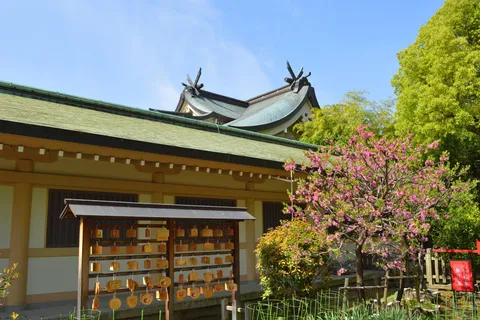
The shrine’s ema hall (votive tablet pavilion) displays large decorative ema tied to the Chinese zodiac alongside countless smaller ema inscribed with prayers for recovery from illness — a striking visual record of the many earnest wishes brought here over the years. Elsewhere on the grounds, visitors can seek blessings hands-on: a bronze statue of a cow with her calf, and a “prayer turtle” whose shell visitors stroke while making a wish, are both popular spots for a moment of devotion.
Just as central to the Ishikiri experience is the “Ishikiri Sando” shopping street, which runs roughly a kilometer from Ishikiri Station up to the shrine itself. Along its sloped approach, herbal medicine shops, Buddhist altar-fitting stores, restaurants serving local specialties like mugwort udon, and — most famously — dozens of fortune-tellers line the way, earning the street a reputation as “Japan’s number-one town for fortune-telling.” Strolling this retro, Showa-era street while snacking and browsing fortunes on the way to the shrine is an experience found nowhere else in Japan.
Visiting Tips
Because the shrine grounds are open around the clock, it’s possible to visit early in the morning or late at night. The office where goshuin and amulets are available, however, keeps more limited hours — 8:00–16:30 at the main shrine and 8:00–16:00 at the Upper Shrine — so plan accordingly if a goshuin is part of your visit. If you’d like to try the hyakudo-mairi yourself, pace it to your own stamina and take breaks as needed.
The Sando shopping street slopes gently downhill from the shrine toward Ishikiri Station, so a popular route is to visit the shrine from Shin-Ishikiri Station first, then walk down through the shopping street toward Ishikiri Station afterward, enjoying the food stalls and fortune-tellers along the way. Weekday mornings tend to be quieter for visiting the shrine itself, while weekends and festival days bring lively crowds to both the approach and the grounds.
Annual Festivals
- Autumn Festival (October 21–22): The shrine’s largest and most elaborate annual festival, featuring danjiri floats parading into the shrine grounds alongside a full program of ceremonies and offerings involving the whole parish community.
- Summer Festival (August 3–4): A festival marking the height of summer, drawing large crowds who come to pray for good health and protection from illness.
- Spring Festival (April 15–16): An annual festival celebrating the arrival of spring.
- New Year’s Visit (January): Known above all as the deity of healing and recovery from illness, Ishikiri Tsurugiya Jinja draws large numbers of visitors from across and beyond Osaka who come to pray for good health in the year ahead.
Nearby Food & Sightseeing
- Ishikiri Sando Shopping Street: Running about a kilometer from Ishikiri Station up to the shrine, this retro Showa-era street is lined with well over a hundred herbal medicine shops, restaurants, and — famously — fortune-tellers, earning it a reputation as “Japan’s number-one town for fortune-telling.” Worth exploring even on its own.
- Yamatoya: A restaurant on the Ishikiri Sando with over 70 years of history, famous for its “yomogi udon” — bright green mugwort-infused noodles with a distinctively chewy texture, and the signature dish of the approach.
- Ishikiri Daibutsu: A large Buddha statue about an 8-minute walk from Ishikiri Station, a quieter hidden gem worth a detour while exploring the shopping street.
- Hiraoka Park: A lush nature park in the foothills of the Ikoma mountain range, known for its cherry blossoms and autumn foliage — a scenic complement to a visit to Ishikiri Tsurugiya Jinja.
Frequently Asked Questions
- Q. What are the visiting hours?
- A. The shrine grounds are open 24 hours a day. The office where goshuin and amulets are available, however, keeps hours of 8:00–16:30 at the main shrine and 8:00–16:00 at the Upper Shrine (Kaminomiya).
- Q. Can I get a goshuin here?
- A. Yes, at the shrine office between 8:00 and 16:30 (arriving by 16:00 is recommended), starting at ¥300. Goshuin books are also available for purchase.
- Q. How do I get to Ishikiri Tsurugiya Jinja?
- A. The most convenient route is about a 7-minute walk from Shin-Ishikiri Station on the Kintetsu Keihanna Line. From Ishikiri Station on the Kintetsu Nara Line, it's about a 15-minute walk down through the Ishikiri Sando shopping street.
- Q. Is parking available?
- A. The south parking lot at the main shrine is open 24 hours, while the north lot is open 4:00–19:00. Parking costs ¥300 for the first hour and ¥100 for each additional 30 minutes.
- Q. What is the hyakudo-mairi ("hundred-times pilgrimage") ritual?
- A. It's the shrine's signature form of devotion: worshippers walk back and forth 100 times between a stone marker in front of the main hall and another one near the shrine entrance, offering a prayer with each pass. As the shrine long revered as the "deity of tumors and growths," Ishikiri-san is famous nationwide for this intensely devoted style of prayer, and visitors can be seen making the walk with focused, earnest expressions throughout the day.
Related Shrines
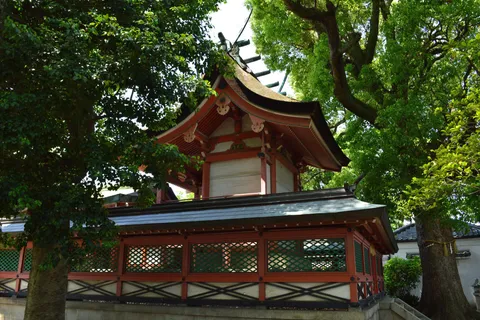
Osaka, Osaka (Sumiyoshi-ku)
Ikune Jinja
Ikune Jinja
- Financial Luck
- Business Prosperity
- Protection from Misfortune
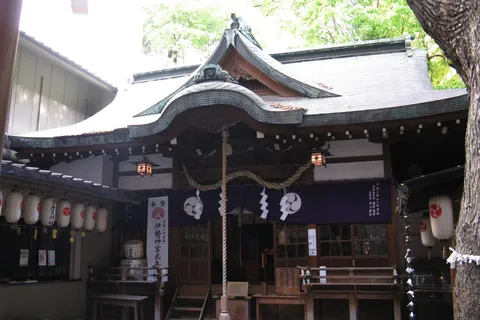
Osaka, Osaka (Chuo-ku)
Sukunahikona Jinja
Sukunahikona Jinja
- Good Health
- Business Prosperity
- Protection from Epidemics
Osaka, Osaka (Tennoji-ku)
Ikutama Jinja
Ikutama-jinja
- Good Fortune
- Good Relationships
- Household Safety