History
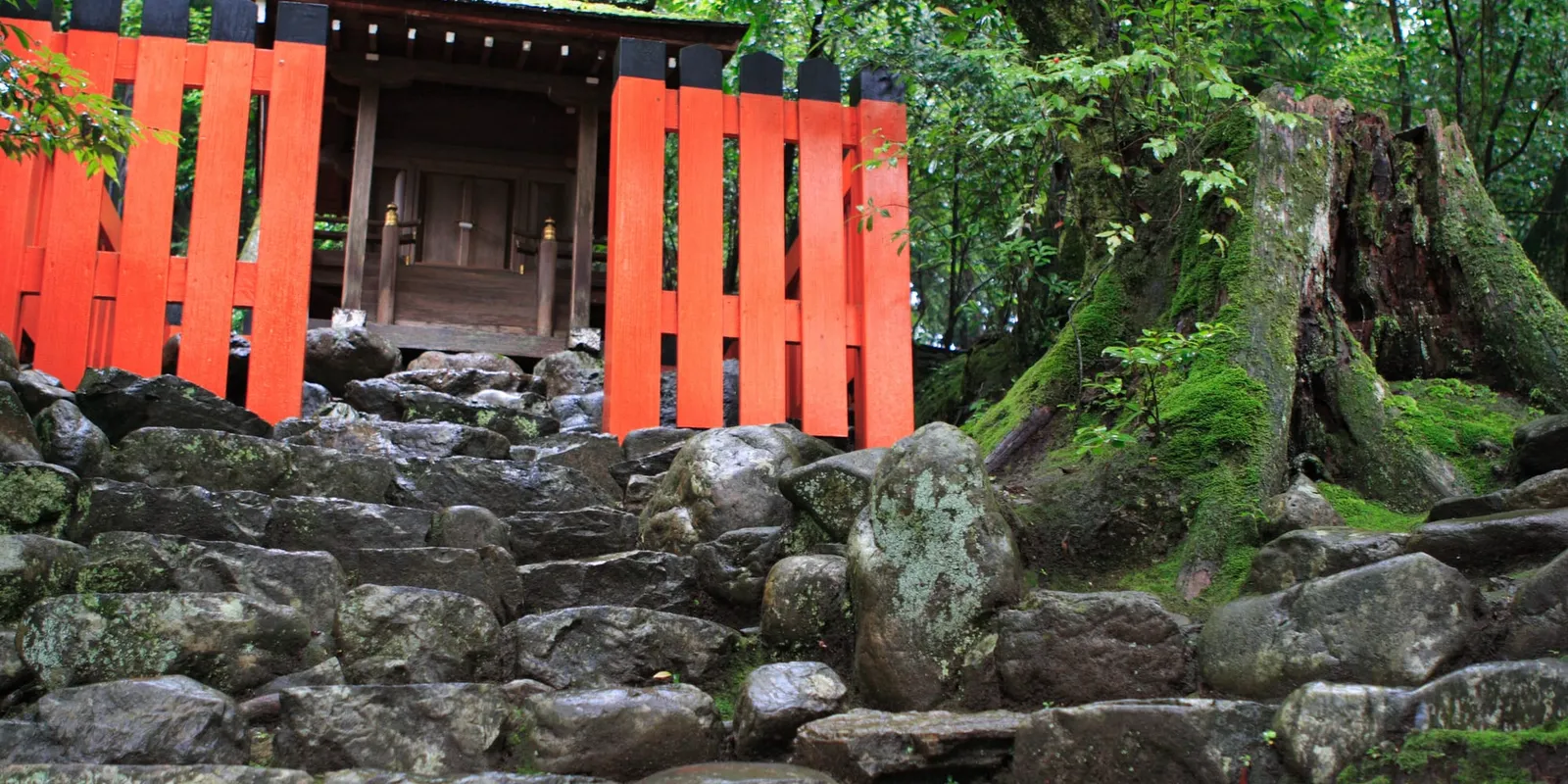
Kamigamo Jinja, formally known as Kamowakeikazuchi Jinja, is one of the oldest shrines in Kyoto. Its enshrined deity, Kamowakeikazuchi no Okami, is a god of thunder (ikazuchi), worshipped for protection from misfortune, lightning, and inauspicious directions. The shrine has stood on this site since before the capital was moved to Heian-kyo, and it has long been venerated as the tutelary deity of the Kamo clan. In 1994, it was registered as a UNESCO World Heritage Site as part of the “Historic Monuments of Ancient Kyoto.”
After the capital moved to Heian-kyo in 794, the shrine received deep reverence from the imperial court as a guardian of the capital, including a visit by Emperor Kanmu, and it was ranked as the Ichinomiya (chief shrine) of Yamashiro Province. In 1036, by imperial decree of Emperor Go-Ichijo, the practice of rebuilding the shrine buildings every 21 years — the Shikinen Sengu — was established, and that tradition continues to this day. Because it shares the Kamo clan’s tutelary deity with Shimogamo Jinja, the two shrines are together referred to as the “Kamo Shrines.”
Highlights
The “Tatezuna” — cone-shaped mounds of sand in front of the Romon gate, modeled on Mount Koyama, where the deity is said to have descended — are the signature sight of Kamigamo Jinja. Many of the shrine buildings, including the National Treasure Honden (main hall) and Gonden, are also designated Important Cultural Properties.
Visiting Tips
The gentle murmur of the Narano-ogawa stream running through the grounds is soothing, and many visitors come in summer to cool off nearby. Traditional rites such as the Kamo Kurabe-uma horse race, held in May, are also among the shrine’s highlights.
Annual Festivals
- Kamo Kurabe-uma Ashizoroe Ceremony (May 1) — A preparatory ceremony ahead of the main race on the 5th, in which the horses’ speeds are checked and pairings decided.
- Kamo Kurabe-uma Horse Race (May 5) — A traditional horse race dating to the Heian period, in which horses divided into left and right teams compete.
- Aoi Festival (Kamo Festival) (May 15) — One of Kyoto’s three great festivals, in which a procession departs the Kyoto Imperial Palace, passes through Shimogamo Jinja, and arrives at Kamigamo Jinja. It is the most important festival of the year for the shrine.
- Shikinen Sengu (every 21 years) — A tradition of periodically rebuilding the shrine buildings, begun in 1036.
Nearby Food & Sightseeing
Together with Shimogamo Jinja, the shrine is known as one of the “Kamo Shrines,” and many visitors tour both. In front of the shrine, traditional confectionery shops selling sweets associated with the Aoi Festival line the approach.
- Narita — A long-established pickle shop founded in 1804 in the shake-machi priestly quarter, still making its famous suguki pickles using traditional methods.
- Aoiya Yakimochi Sohonpo — A long-established confectionery shop that makes and sells Kamigamo Jinja’s famous “yakimochi” grilled rice cakes.
- Imai Shokudo — A popular diner known for its mackerel simmered for three days until tender to the bone, served as a set meal.
- Shake-machi — A quiet neighborhood of priestly residences south of the shrine, dating back to the Muromachi period, where visitors can stroll along the Myojin River.
Frequently Asked Questions
- Q. What are the visiting hours?
- A. 5:30–17:00 (special viewing 10:00–16:00).
- Q. When is the goshuin office open?
- A. Around 9:00–16:30, for ¥500.
- Q. Is there parking?
- A. Yes, paid parking is available nearby.
- Q. How does this differ from Shimogamo Jinja?
- A. Kamigamo Jinja and Shimogamo Jinja are together known as the "Kamo shrines," both venerating deities of the Kamo clan — many visitors pair a visit to both.
- Q. How do I get there?
- A. Get off right outside the "Kamigamo-jinja-mae" city bus stop.
Related Shrines
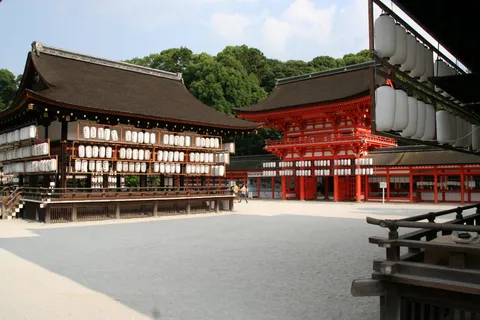
Kyoto Prefecture, Sakyo Ward, Kyoto
Shimogamo Jinja
Shimogamo-jinja
- Good Relationships
- Safe Childbirth
- Protection from Misfortune
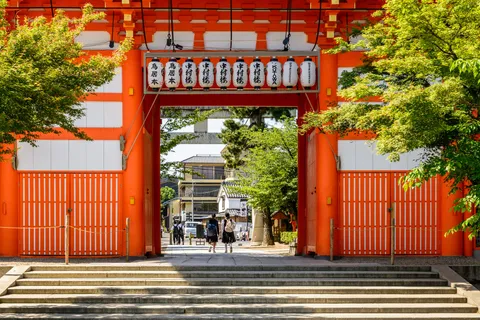
Kyoto Prefecture, Higashiyama Ward, Kyoto
Yasaka Jinja
Yasaka-jinja
- Protection from Epidemics
- Protection from Misfortune
- Business Prosperity
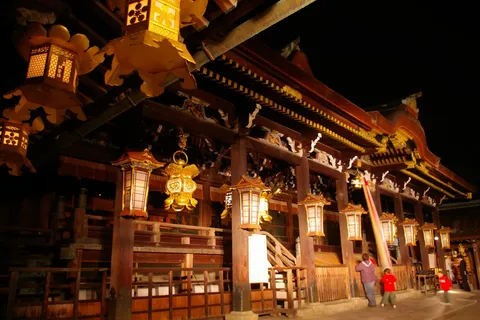
Kyoto Prefecture, Kamigyo Ward, Kyoto
Kitano Tenmangu
Kitano Tenmangū
- Academic Success
- Exam Success
- Protection from Misfortune