
History
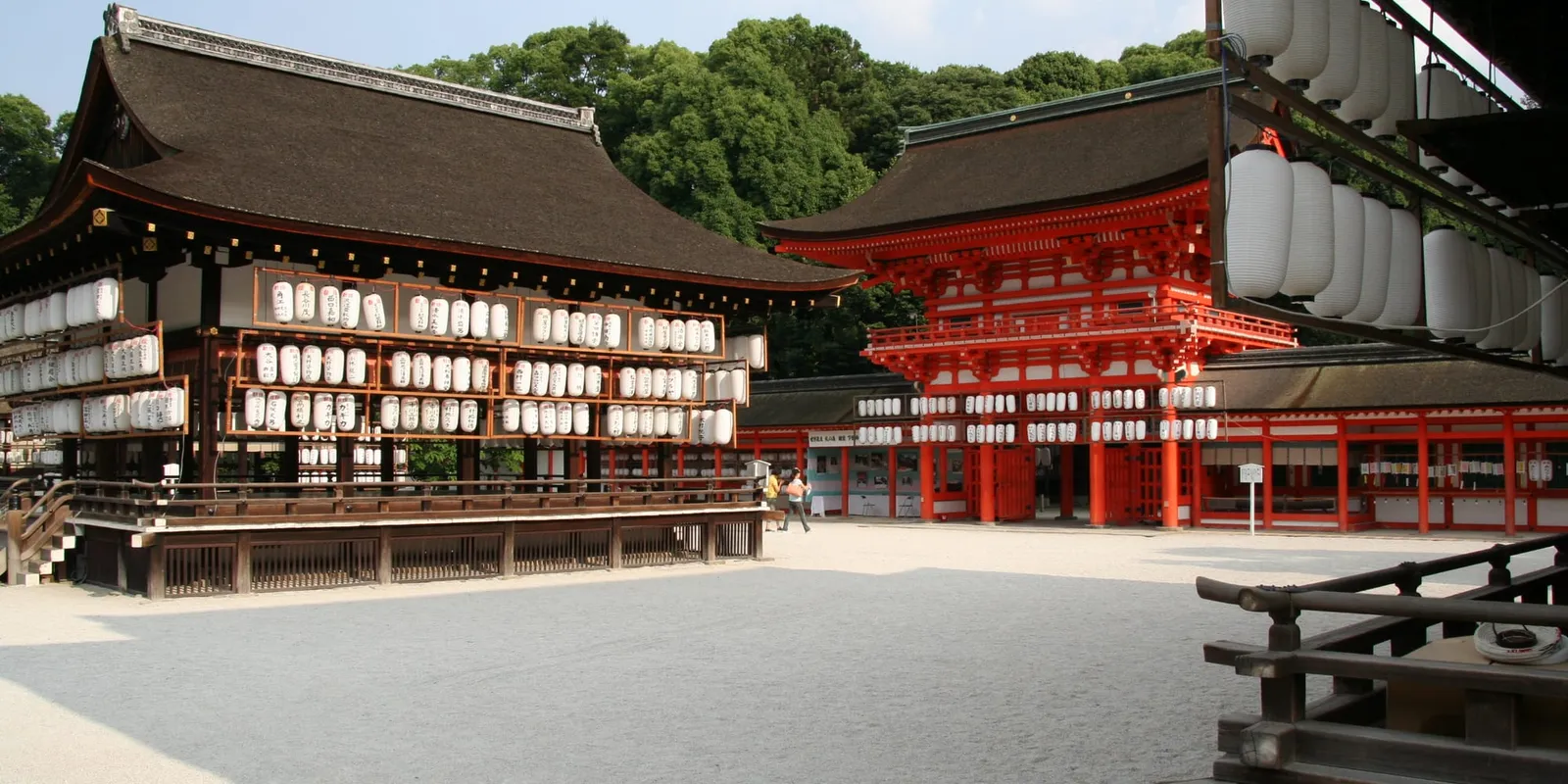
Shimogamo Jinja’s formal name is Kamo Mioya Jinja, and together with Kamigamo Jinja it is one of Kyoto’s oldest shrines. Kamotaketsunumi no Mikoto is enshrined in the west main hall, and his child deity, Tamayorihime no Mikoto, in the east main hall. Together with Kamigamo Jinja, the two are known as the “Kamo Shrines,” and have long been deeply revered as guardian deities of the Heian capital. In 1994, the shrine was registered as a UNESCO World Heritage Site as part of the “Historic Monuments of Ancient Kyoto.”
The shrine enshrines the tutelary deity of the Kamo clan, who is said to have ruled the area of Yamashiro Province even before the capital moved to Kyoto. After the move, the shrine was held in particularly high regard by the imperial court as a guardian of the capital, and was counted among the “Upper Seven” of the twenty-two shrines (Nijūni-sha), a rank second only to Ise Jingu. The shrine is also known for its long tradition of periodic rebuilding (shikinen sengu), and its present buildings are kept in beautiful condition through regular restoration.
Highlights
The “Tadasu no Mori,” a primeval forest that envelops the shrine grounds, covers about 120,000 square meters — roughly the size of three Tokyo Domes. Despite sitting in the middle of the city, it has preserved ancient, untouched nature, making it one of Kyoto’s most soothing spaces.
Visiting Tips
“Aioi no Yashiro,” known as a shrine for good relationships, is a popular spot especially among women visitors. The Aoi Matsuri, held in May, is widely known as one of Kyoto’s three great festivals.
Annual Festivals
- Aoi Matsuri (May 15): One of Kyoto’s three great festivals, a grand procession of participants in Heian-period court dress traveling from Shimogamo Jinja to Kamigamo Jinja, one of the city’s most celebrated events.
- Mitarashi Festival / Ashitsuke Shinji (July): Held around the midsummer Day of the Ox, worshippers wade knee-deep into the Mitarashi Pond to pray for good health, a quintessential summer tradition in Kyoto.
- Yatori Shinji (August): Held at the end of summer, in which human-shaped paper effigies (hitogata) are set adrift on the Mitarashi River as bare-chested men compete, torches in hand, to grab arrows from the water.
Nearby Food & Sightseeing
The stream running through the Tadasu no Mori forest is perfect for a stroll, and the approach to the shrine is known as the birthplace of “mitarashi dango” rice dumplings.
- Kamo Mitarashi Chaya: Founded in 1922, this long-established shop is known as the birthplace of mitarashi dango, famous for its fragrant soy-glazed dumplings.
- Tadasu no Mori: The primeval forest surrounding the shrine grounds, with walking paths to enjoy its rich nature through the seasons.
Frequently Asked Questions
- Q. What are the visiting hours?
- A. 6:30–17:00.
- Q. When is the goshuin office open?
- A. Around 9:00–16:30, for ¥500.
- Q. Is there parking?
- A. Yes, paid parking is available nearby.
- Q. How large is the Tadasu no Mori forest?
- A. About 120,000 square meters of primeval forest — roughly three Tokyo Domes — surrounding the shrine.
- Q. How do I get there?
- A. About an 11-minute walk from Demachiyanagi Station on the Eizan Electric Railway, or about 13 minutes from Demachiyanagi Station on the Keihan Main Line.
Related Shrines
Kyoto Prefecture, Sakyo Ward, Kyoto
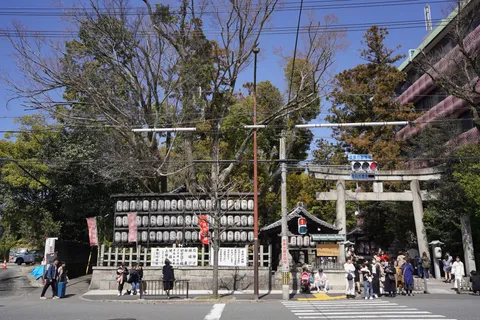
Okazaki Jinja
Okazaki Jinja
- Safe Childbirth
- Fertility / Blessing with Children
- Good Match / Relationships
Kyoto Prefecture, Kita Ward, Kyoto
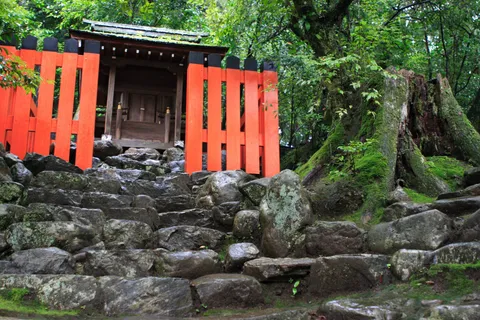
Kamigamo Jinja
Kamigamo-jinja
- Protection from Misfortune
- Protection from Lightning
- Protection from Bad Directions
Kyoto Prefecture, Higashiyama Ward, Kyoto
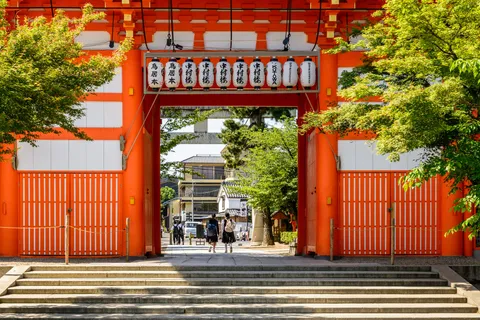
Yasaka Jinja
Yasaka-jinja
- Protection from Epidemics
- Protection from Misfortune
- Business Prosperity