History
Kamochi Jinja is traditionally dated to the year 810. According to shrine legend, a Shinto priest from Izumo Province was traveling toward Ise Grand Shrine, carrying a sacred stone meant to ensure safe passage. Upon reaching this spot, the stone suddenly grew too heavy to carry any further. Around the same time, an ancestor of the Umebayashi family — who remain the shrine’s hereditary priests to this day — is said to have had a divine dream instructing him to build a shrine. Taking these two events together as a sign, the villagers enshrined the mysterious stone as their local guardian deity, and Kamochi Jinja was born.
The place name “Kamochi” is unique in all of Japan; no other location shares it. Its origin lies in the area’s history as an iron-producing district, once so prized that iron was said to be valued even above gold. A local Edo-period gazetteer, the Hokishi, records that Kamochi village once contained three iron mines. The name is generally believed to derive from “kanamochi,” meaning “a village that holds iron mines,” which was shortened over time to “kamochi” and written with characters that happen to evoke wealth.
Local history also credits a warrior named Kamochi Kagefuji with a historical role in the fall of the Kamakura shogunate. In 1333, when Emperor Go-Daigo escaped exile on the Oki Islands, Kagefuji is said to have supported the emperor’s uprising at Mt. Senjo, and to have been honored with carrying the emperor’s brocade banner at his left side during the march on the capital. The loyalty of a warrior bearing the auspicious “Kamochi” name has, over time, become woven into the shrine’s reputation for good fortune.
Highlights
To be candid, Kamochi Jinja’s main draw isn’t grand architecture or an expansive shrine complex — it’s the name itself. Of the roughly 80,000 shrines across Japan, this is the only one whose name, written in kanji, reads as “Kamochi” (金持) — visually evoking the Japanese word for a wealthy person. On the strength of that single distinction alone, Kamochi Jinja has become one of Japan’s foremost destinations for visitors praying for financial luck, including lottery fortune, drawing worshippers from across the country.
The shrine grounds are dotted with votive plaques (ema) proudly announcing lottery jackpot wins, offering a glimpse of visitors’ hopes — some earnest, some lighthearted. At the Kamochi Jinja gift shop near the approach, an eclectic range of lucky charms and souvenirs is on offer: wallet-specific financial-luck amulets, “lucky yellow handkerchiefs,” fortune-inviting coins, and even name-punning local products like “Kamochi rice,” “Kamochi miso,” and “Kamochi sake.”
It’s worth being upfront: the shrine buildings themselves are modest and unassuming, tucked quietly into a mountainside setting. Visitors expecting grand architecture may be surprised by how simple the site actually is — but that, in a way, is precisely what makes Kamochi Jinja such an interesting phenomenon: a shrine that became a nationally known power spot almost entirely on the strength of its lucky name. During major lottery sale seasons, it’s common for visitors to pray here first, then drive about five minutes to Kamochi Terrace Hino to actually purchase their tickets.
Visiting Tips
Kamochi Jinja sits in a small mountain community in Hino District, in the rural western part of Tottori Prefecture, and getting there by public transportation takes some planning. By car, it’s about 20 minutes from the Eho Interchange on the Yonago Expressway, but if you’re relying on public transportation, you’ll need to take the JR Hakubi Line to Neu Station and then a community bus or a reserved taxi, so it’s worth checking schedules and booking a taxi in advance.
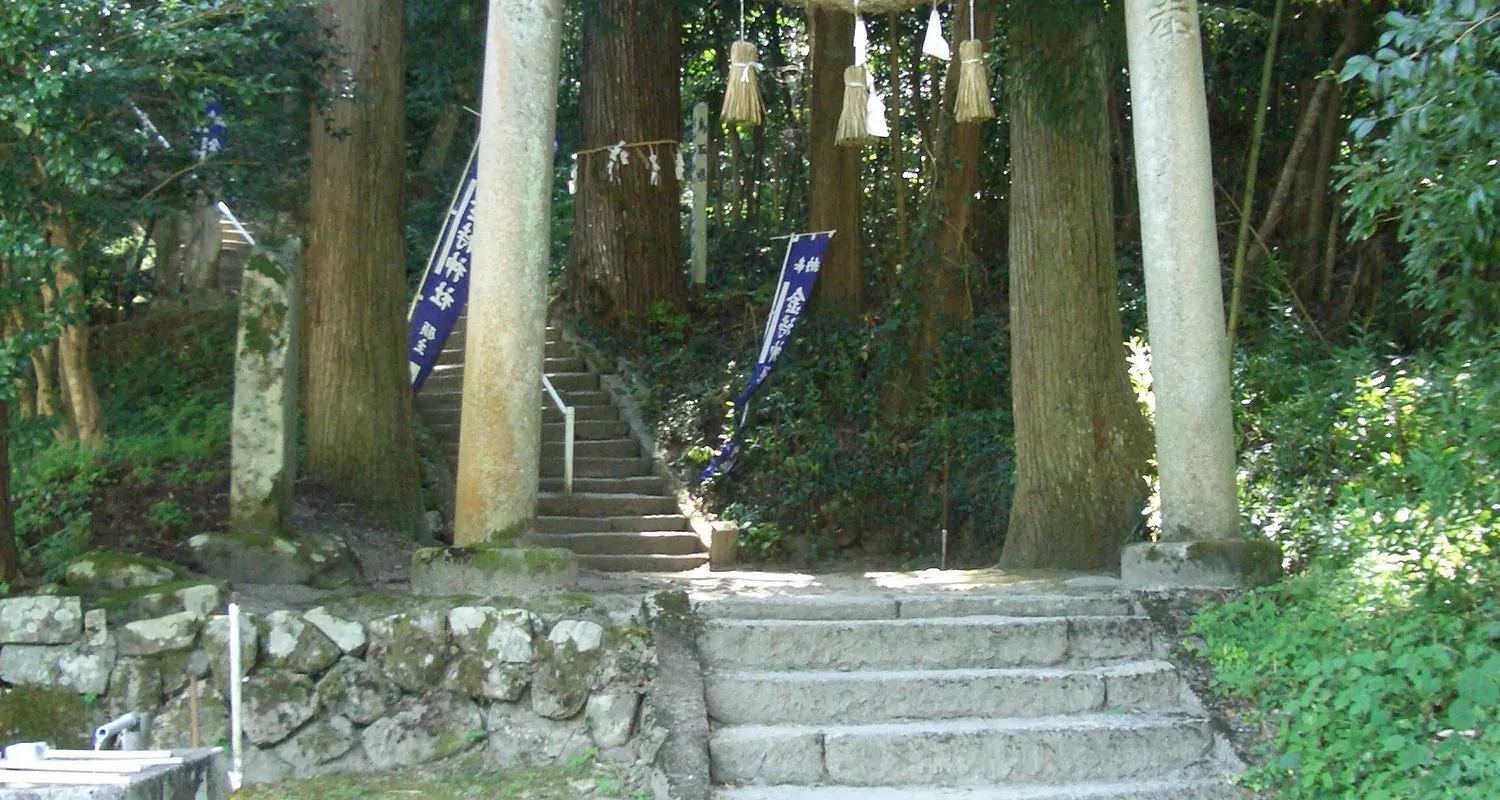
The shrine grounds are free to visit at any time, but if you’d like a goshuin or other amulets and charms, keep in mind the office’s hours (10:00–16:00, with hand-written goshuin available only from 10:00 to 13:00). The grounds themselves are compact — a short approach and a modest flight of stone steps lead from the torii gate to the shrine buildings — but the quiet mountain setting and the many lottery-win ema plaques from visitors across Japan give the place its own distinctive atmosphere. Many visitors round out their trip with a stop at Kamochi Terrace Hino to buy lottery tickets, or a browse through the gift shop’s money-luck merchandise near the approach.
Annual Festivals
- Quarterly Festivals (January 25, April 25, July 25, October 25): Held four times a year on the 25th, these festivals also include a reservation-only wallet purification rite (fee ¥2,000), in which well-used wallets that are being retired are ritually burned; participants receive a charm called “Kin no Moto” (“Source of Gold”) said to invite financial luck afterward.
- New Year’s Visit (from January 1): A popular destination for the year’s first shrine visit, drawing worshippers hoping for financial luck and good fortune in the year ahead.
- Major Lottery Sale Seasons: Visitor numbers noticeably increase during the sale periods for major lotteries, such as the Year-End Jumbo Lottery, as people travel from across Japan to pray before buying their tickets.
Nearby Food & Sightseeing
- Kamochi Terrace Hino: A local products and lottery ticket shop about a 5-minute drive from the shrine, near Neu Station. Many visitors make a point of buying their lottery tickets here right after praying at the shrine.
- Soba Dojo Tataraya: A popular local restaurant in a converted former sake brewery, known for its fragrant handmade soba noodles as well as a local favorite, champon noodles.
- Neu Post Town (Izumo Kaido): The old post town of Neu, which once thrived along the Izumo Kaido, the historic route used by the Matsue domain’s lords during their alternate-attendance journeys to Edo. Surviving structures, including a former inn gate, preserve a sense of its Edo-period atmosphere.
Frequently Asked Questions
- Q. Why is Kamochi Jinja so famous for financial luck?
- A. The shrine's name, Kamochi, is written with the kanji for 'gold/money' (金) and 'to have or hold' (持) — characters that visually read like the Japanese word for 'wealthy person' (kanemochi). The place name itself actually derives from the area's history as an iron-mining district (once considered more valuable than gold), and the money connection is a later pun, but the auspicious wordplay has made it one of Japan's most popular shrines for those seeking financial and lottery luck.
- Q. What are the visiting hours and goshuin hours at Kamochi Jinja?
- A. The shrine grounds are open to visitors at all times. The amulet and goshuin office is open from 10:00 to 16:00, though hand-written goshuin are only available between 10:00 and 13:00; outside that window, a pre-written version is offered instead.
- Q. Is there parking at Kamochi Jinja?
- A. Yes, free parking is available next to the Kamochi Jinja gift shop at the entrance to the approach, right along National Route 181.
- Q. How do I get to Kamochi Jinja?
- A. By car, it's about 20 minutes (roughly 13 km) from the Eho Interchange on the Yonago Expressway. By public transportation, take the JR Hakubi Line to Neu Station, then a Hino Town community bus or a reserved taxi — no taxis wait at the station, so it's best to book one in advance.
- Q. Is there a lottery ticket shop near the shrine?
- A. The shrine itself doesn't sell lottery tickets, but a shop called Kamochi Terrace Hino, about a 5-minute drive away, does — and many visitors buy their tickets there right after praying at the shrine. Visitor numbers noticeably rise during major lottery sale seasons, such as the Jumbo Lottery.
Related Shrines
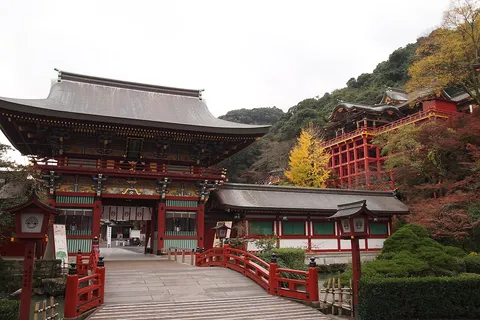
Saga, Kashima
Yutoku Inari Jinja
Yūtoku Inari-jinja
- Business Prosperity
- Household Safety
- Financial Luck
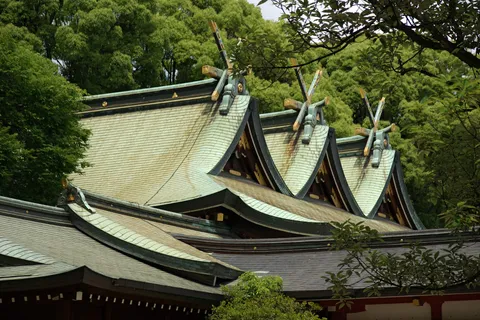
Hyogo, Nishinomiya
Nishinomiya Jinja
Nishinomiya-jinja
- Business Prosperity
- Household Safety
- Financial Luck
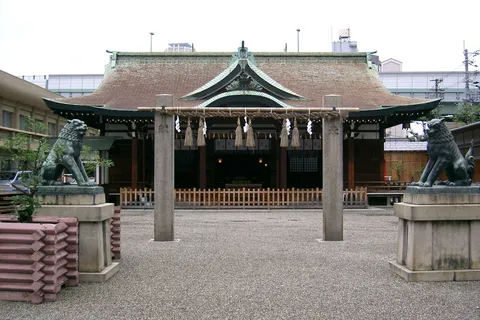
Osaka, Osaka (Naniwa-ku)
Imamiya Ebisu Jinja
Imamiya Ebisu-jinja
- Business Prosperity
- Household Safety
- Financial Luck