History
The exact founding date of Nishinomiya Jinja is unknown, but according to shrine tradition, fishermen from Naruo (in what is now southern Nishinomiya) found a divine image caught in their nets. Even after they returned it to the sea, it kept reappearing, so following a revelation in a dream they carried the deity westward and enshrined it at its present site. The shrine already appears in documents from the late Heian period under the name “Ebisu-sha,” and it has long been venerated as the southern branch shrine of nearby Hirota Jinja.
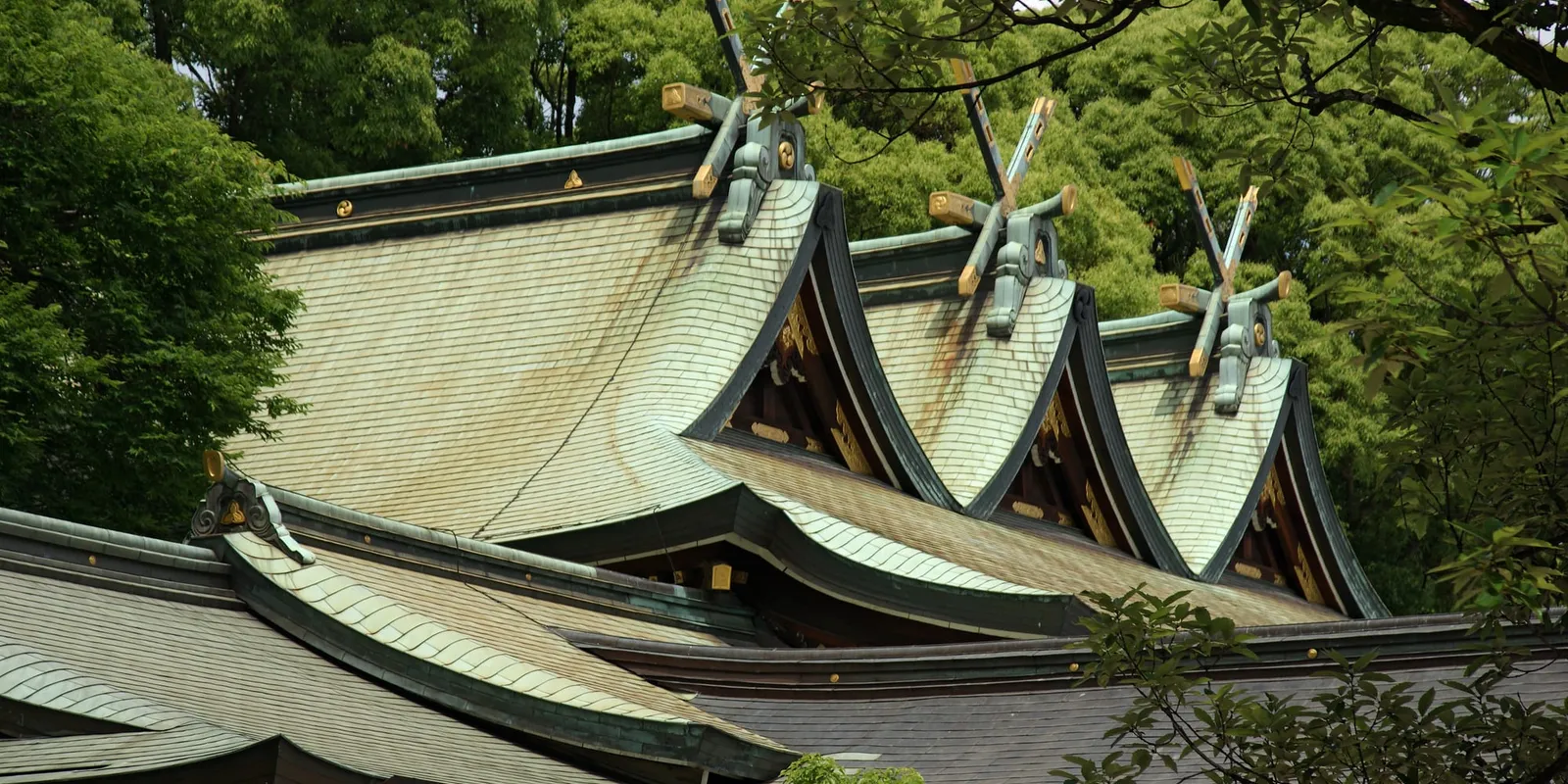
From the medieval period on, itinerant puppeteers known as kugutsushi, based in the nearby village of Sansho, traveled the length of Japan performing a puppet show called “Ebisu-kaki” and distributing sacred images of Ebisu, spreading devotion to the god among ordinary people at remarkable speed. In the Edo period, the shrine secured the exclusive right to issue these sacred image talismans from the fourth Tokugawa shogun, Ietsuna, and its image was recognized as the sole authentic depiction of Ebisu nationwide. This cemented Nishinomiya Jinja’s standing as the head shrine of roughly 3,500 Ebisu shrines across Japan. Today the eastern hall enshrines Ebisu (Hiruko no Okami), the central hall Amaterasu Omikami and Okuninushi no Okami, and the western hall Susanoo no Okami — three halls linked together in the rare “Nishinomiya-zukuri” style, a triple Kasuga-zukuri structure joined by connecting corridors.
Highlights
The shrine’s front gate, painted vermillion and known affectionately as “Akamon” (Red Gate), survives from the Momoyama period and is designated an Important Cultural Property. Every January 10, this is the gate that bursts open at 6am for the famous “Fukuotoko Erabi” (Lucky Man Race), when thousands of worshippers sprint roughly 230 meters to the main hall — a spectacle covered by news outlets across Japan every year.
The current main hall was rebuilt in 1961, faithfully reproducing the earlier hall built in 1663 under the patronage of shogun Tokugawa Ietsuna, which had been a National Treasure until it burned down in the air raids of 1945. The graceful, connected roofline of its three linked halls — the distinctive “Nishinomiya-zukuri” style — was registered, together with its east and west annex halls, as a National Registered Tangible Cultural Property in 2025. Around the grounds, statues of sea bream (a symbol of Ebisu) and Edo-period lifting stones add further texture to a visit.
Visiting Tips
A basic visit to the shrine takes only 15–30 minutes, but walking the straight path from the Akamon gate to the main hall gives a real sense of the drama of the Fukuotoko race. Goshuin can be received at the office to the left of the main hall between 9:00 and 17:00. During the Toka Ebisu festival the grounds become extremely crowded, so an early-morning visit is recommended at that time of year.
Annual Festivals
- Toka Ebisu (January 9–11): A three-day festival — Yoi-ebisu, Hon-ebisu, and Nokori-fuku — that draws around a million worshippers praying for business prosperity, making it one of the largest festivals in the Hanshin region.
- Fukuotoko Erabi, the Lucky Man Race (6am, January 10, during Hon-ebisu): The instant the Akamon gate opens, worshippers sprint to the main hall, and the first three to arrive are honored as that year’s “Fukuotoko” (Lucky Men) — a tradition said to date back to the Edo period.
- Natsu Ebisu (around July): A midsummer festival giving thanks for the first half of the year and praying for continued business success, with seasonal amulets on offer.
- Reitaisai, the Grand Autumn Festival (October): The shrine’s principal annual festival, giving thanks for the autumn harvest and the year’s blessings, with events involving the local parish community.
- Nishinomiya Sake-gura Renaissance (autumn): A sake festival held in partnership with breweries of the neighboring Nishinomiya-go district of the Nada Gogo brewing region, reflecting the shrine’s ties to the local sake trade.
Nearby Food & Sightseeing
- Hakushika Memorial Sake Brewery Museum: Run by the historic Tatsuuma Honke Brewery of the Nishinomiya-go district, this museum traces the history of sake brewing and offers tastings — a fitting stop in a shrine town famous for its sake.
- Hakutaka Rokusuien: A former brewery building turned restaurant serving dishes made with fresh sake and the same brewing water used on site, an easy walk from the shrine.
- Ebista Nishinomiya: A shopping mall directly connected to Hanshin Nishinomiya Station, lined with restaurants and shops that make it a convenient stop before or after visiting the shrine.
Frequently Asked Questions
- Q. What are the visiting hours?
- A. Gates open 5:00–19:00 (Apr–Aug), 5:00–18:30 (Sep, Mar), or 5:00–18:00 (Oct–Feb); the amulet office is open 9:00–17:00.
- Q. When is the goshuin office open?
- A. 9:00–17:00, for ¥300.
- Q. Is there parking?
- A. Yes, visitor parking is available in the southwest of the grounds, though it's unavailable during major festivals like Toka Ebisu.
- Q. What is the "Fukuotoko" race?
- A. Every January 10, when the front gate opens, participants race about 230 meters to the main hall — the first three to arrive are crowned "Fukuotoko" (lucky men).
- Q. How do I get there?
- A. About a 5-minute walk from Hanshin Main Line Nishinomiya Station (Ebisu exit).
Related Shrines
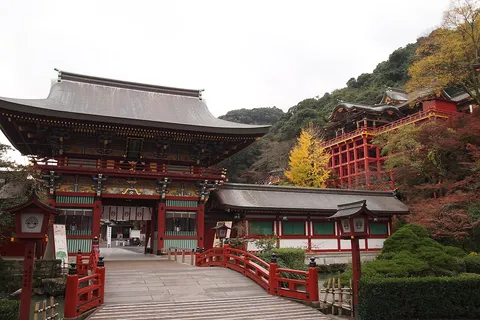
Saga, Kashima
Yutoku Inari Jinja
Yūtoku Inari-jinja
- Business Prosperity
- Household Safety
- Financial Luck
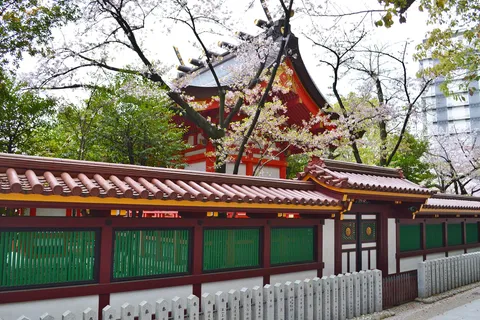
Hyogo, Kobe (Chuo-ku)
Ikuta Jinja
Ikuta-jinja
- Good Relationships
- Safe Childbirth
- Household Safety
Osaka, Osaka (Naniwa-ku)
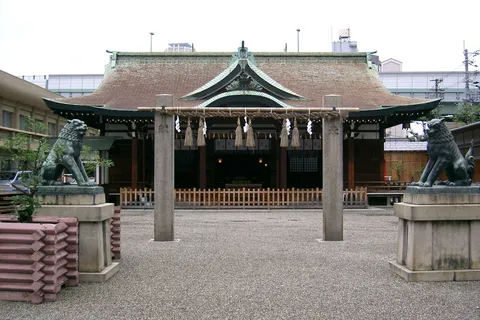
Imamiya Ebisu Jinja
Imamiya Ebisu-jinja
- Business Prosperity
- Household Safety
- Financial Luck