History
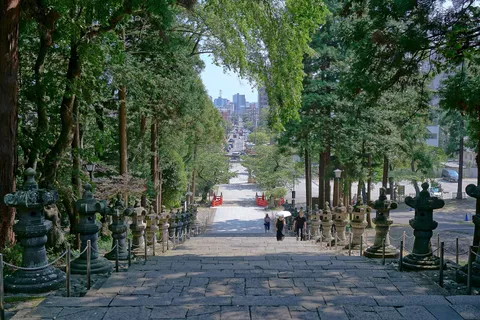
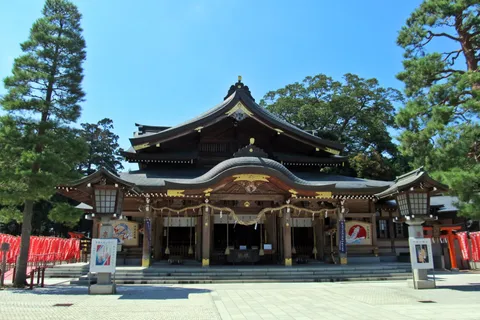
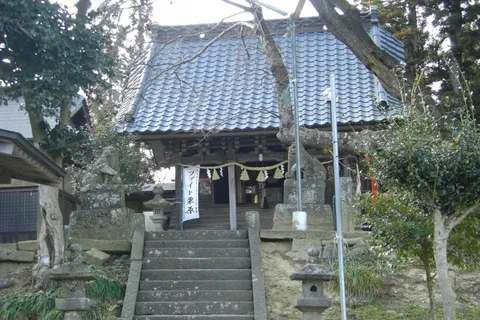
Kattamine Shrine (Kattamine-jinja) stands in the hot-spring town of Togatta Onsen in Zao, Miyagi Prefecture. It is the “satomiya” (village shrine) paired with the shrine of the same name on the summit of Mt. Katta (Kattadake) in the Zao range, the “okumiya” (inner shrine). This page focuses on the satomiya in Togatta Onsen (Nakamachi, Togatta Onsen, Zao) and also introduces the summit okumiya. According to the Zao Town geosite guide, there are three Kattamine shrines in the town (on the Zao summit, in Togatta and in Miya), and the Miya shrine (Hakucho Daimyojin) is a different shrine.
The Zao Town guide names the predecessor of this shrine as Dakenobo, a Shugendo temple whose practitioners trained on Mt. Zao. In the Edo period it was known as Kinpusen Zaoji and oversaw the Zao Daigongen shrine on the summit; during winter, from October 8 to April 8, when the summit was snowed in, it also served as the “Zao Daigongen Okari no Miya,” housing the sacred object. Because Zaoji Dakenobo and the summit shrine had long been closely linked, the two were merged after the Meiji-era order separating Shinto and Buddhism: it became Mikumari Shrine (enshrined deity: Zao no Okami) in 1872 and Kattamine Shrine (enshrined deities: Ama-no-Mikumari-no-Kami and Kuni-no-Mikumari-no-Kami) in 1875. The guide says “Kattamine” was the name used here before Zao Daigongen was brought in and the mountain came to be called Zao. The founding date could not be determined from the sources found.
When popular “Oyama Mairi” (Zao pilgrimage) became fashionable in the late Edo period, Dakenobo handled the main approach and guided many pilgrims up to Zao Daigongen on the summit. The Zao Town guide says the pilgrimage that set out from Togatta Onsen for the summit of Mt. Katta was a boom that lasted until after the war and greatly influenced the growth of the hot-spring town. The summit shrine is said to have stood originally on the summit of Mt. Kumano and to have been moved later to the summit of Mt. Katta.
Highlights
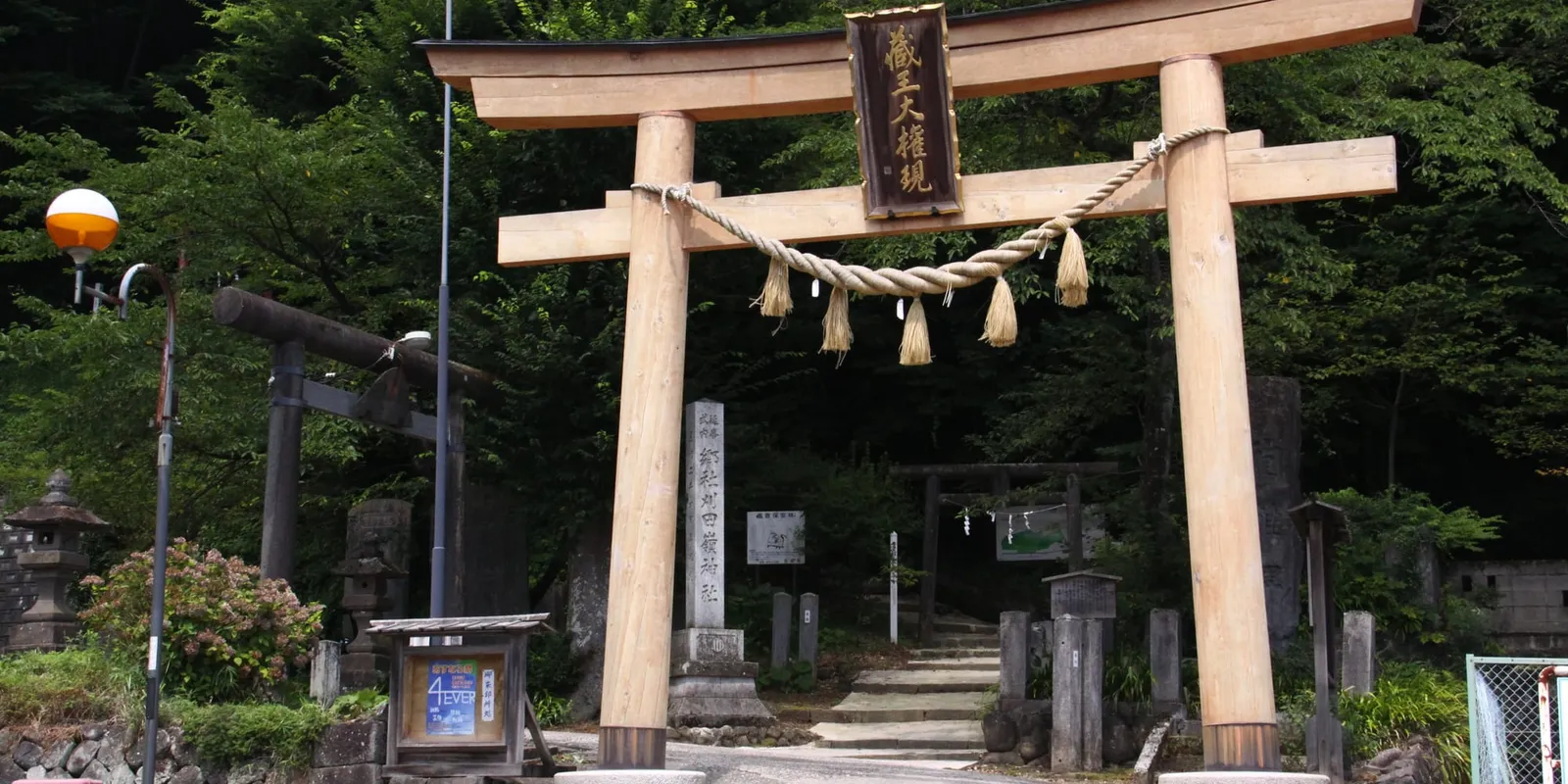
At the entrance to the grounds stands a torii bearing a “Zao Daigongen” plaque, and the Zao Town guide notes that spring water from a hot spring source flows beside the entrance. It is a fitting sight for a shrine in a hot-spring town, and it recalls the history of the satomiya as the starting point of the Zao pilgrimage.
Inside the worship hall is an ema painting, “Keimeiko-zu,” depicting a Zao pilgrimage in the Meiji era. According to the guide, it was dedicated in 1905 by the Miyagi Keimeiko, a Sendai pilgrimage association, and is designated a cultural property of Zao Town. Because it is kept inside the worship hall, visitors who wish to see it are said to need to ask the shrine in advance.
Climbing the terrace cliff behind the shrine brings you to Yunokami Shrine and others on Mt. Gongen, with a view over the hot-spring town and the Zao range. According to the guide, a walking trail runs from Kattamine Shrine through Mt. Gongen and Mt. Iwasaki to Togatta Park (about 1.5 km, about 60 minutes one way), but there are some fairly steep sections, so footwear matters.
The summit okumiya stands on Mt. Katta (about 1,758 m), a lava dome formed by volcanic activity roughly 220,000 years ago. The guide says that beside it stands a monument to Date Munetaka, who prayed on the summit during the great Kan’ei eruption about 400 years ago for the mountain to calm. It is close to the viewing point for Okama (the crater lake of Mt. Goshiki), so it combines easily with Zao sightseeing.
Visiting Tips
No official visiting hours or shrine-office hours could be confirmed for the satomiya (and no official site was found). It is safest to check in advance, for example via the manager’s contact number listed in the Zao Town geosite guide (0224-34-2620), about amulets and whether viewing is possible. Visitors who want to see the Keimeiko-zu are said to need to ask in advance.
A visitor report says goshuin are given at the satomiya’s shrine office, and one personal blog gives ¥300, but no official information could be confirmed, so please treat it as a rough guide. The Zao Kodo Association’s site says its “Oyama Mairi” pilgrimage offers a “prayer” goshuin at the satomiya and a “completion” goshuin at the okumiya on the summit of Mt. Katta, ¥500 each (from a 2021 article).
The okumiya cannot be reached while the Zao Echo Line is closed for winter. Miyagi Prefecture’s notices say the winter 2025 closure began at 5:00 PM on November 4 and the road reopened at 11:00 AM on April 24, 2026. It is usually closed from early November to late April, but the dates vary by year, so check the latest road-restriction information before you go.
Annual Festivals
- Annual festival (May 5): Shrine-introduction sites and the Japanese Wikipedia give May 5 for the satomiya’s annual festival. No official announcement could be confirmed.
- Seasonal relocation of the sacred object: The Zao Town guide says the sacred object was housed at the satomiya in winter (October 8 to April 8) in the Edo period, and that the tradition of relocation between the satomiya and okumiya continues today. The Japanese Wikipedia says the object now moves up to the okumiya around late April, timed to the opening of the Zao Echo Line, and returns to the satomiya in autumn in an October “sacred-object descent ceremony,” but this could not be confirmed in primary sources from the shrine or the town. Dates vary by year, so check beforehand.
- Zao Oyama Mairi: According to the Zao Town guide, the Zao Kodo trail was restored by local volunteers in 2014 and the “Zao Oyama Mairi” pilgrimage is held. The Zao Kodo Association’s site had announced the 2026 edition as the 13th. Check the association’s site for dates and how to join.
- Oyu-kake Festival at Yunokami Shrine (Doyo no Ushi no Hi in July): A festival held by the Togatta Onsen Ryokan Association to coincide with the festival day of Yunokami Shrine on Mt. Gongen (per the Zao Town geosite guide).
Festival dates can change from year to year, so check the latest information with the shrine or Zao Town.
Nearby Food & Sightseeing
- Kaminoyu (public bath of Togatta Onsen): A public bath introduced as a Togatta Onsen bathhouse in the Zao Town geosite guide. The shrine is in this hot-spring town (some guides describe it as being “behind Kaminoyu”).
- Yunokami Shrine (Mt. Gongen): A shrine on the rise behind Kattamine Shrine. According to the guide, it is said to have begun in 1695, when Onuma Kyubei, the keeper of the hot spring, set up a “Zao Yunokami” stone monument with the townspeople.
- Miyagi Zao Kokeshi Museum: An exhibition hall presenting traditional kokeshi dolls and their history, with making demonstrations (per the Zao Town geosite guide). Togatta is known as the birthplace of Togatta kokeshi.
- Okama (crater lake of Mt. Goshiki): The Okama crater of Mt. Goshiki, which the Zao Town geosite guide calls the center of Zao sightseeing, lies near Mt. Katta, where the okumiya stands (road closed in winter).
Frequently Asked Questions
- Q. What are the visiting hours?
- A. No official visiting hours or shrine-office hours could be confirmed for the satomiya in Togatta Onsen. For amulets or a viewing, it is safest to check in advance, for example via the manager's contact number listed in the Zao Town geosite guide (0224-34-2620). The okumiya on the summit of Mt. Katta cannot be reached while the Zao Echo Line is closed for winter.
- Q. Can I get a goshuin at Kattamine Shrine?
- A. A visitor report says goshuin are given at the satomiya, and one blog gives ¥300, but no official information could be confirmed. One source also mentions two types of goshuin book. Separately, the Zao Kodo Association's "Oyama Mairi" pilgrimage lists a "prayer" goshuin at the satomiya and a "completion" goshuin at the okumiya at ¥500 each (¥1,000 for both), according to its site. Contents and prices may change.
- Q. How do I get there, and is there parking?
- A. The satomiya is in the hot-spring town of Togatta Onsen. A travel information site gives about 49 minutes by Miyagi Kotsu bus from JR Shiroishi-Zao Station to "Togatta Onsen," or about 16 km by car from the Shiroishi IC on the Tohoku Expressway. According to the Zao Town geosite guide, the satomiya has parking for a few worshippers' cars, and visitors are directed to the hot-spring-town car parks. To reach the okumiya, take the Zao Echo Line and Zao Highline to the car park near the summit and walk.
- Q. Are there several shrines called Kattamine Shrine? Which one is this?
- A. According to the Zao Town geosite guide, there are three Kattamine shrines in Zao Town: on the Zao summit (okumiya), in the Togatta district (satomiya), and in the Miya district. This page covers the satomiya in Togatta Onsen (Nakamachi, Togatta Onsen, Zao) and the okumiya on the summit of Mt. Katta. Both have a history of enshrining Zao Daigongen, and they are a paired set whose sacred object travels between them with the seasons. The Kattamine Shrine in the Miya district (Hakucho Daimyojin) is a separate shrine.
- Q. When can I visit the summit okumiya?
- A. The okumiya is on the summit of Mt. Katta and cannot be reached while the Zao Echo Line is closed for winter. Miyagi Prefecture's notices say the winter 2025 closure began at 5:00 PM on November 4 and the road reopened at 11:00 AM on April 24, 2026. The closure is usually early November to late April, but it varies by year, so check Miyagi Prefecture's road-restriction information before you go. According to the Zao Town geosite guide, in the Edo period the sacred object was enshrined at the satomiya (the "Okari no Miya") from October 8 to April 8 of the following year, and the tradition of seasonal relocation continues today.
Plan Your Visit
Before you go, you can book a stay and get your shrine-visit items ready.
Amazon links open Amazon.co.jp (Japan) in English; whether an item ships overseas depends on the product.
※ Contains ads (PR). Links open external sites such as Amazon, Rakuten, Trip.com and Booking.com.