History
Takekoma Jinja was founded, according to tradition, in 842 (Jowa 9) by Ono no Takamura, the celebrated Heian-era poet and scholar-official, who invited a divided spirit of the Inari deity from Fushimi Inari in Kyoto to this site while serving as governor of Mutsu Province, enshrining it as a protector deity for the region. Ono no Takamura, whose verse was later chosen for the Ogura Hyakunin Isshu poetry anthology, rose to the rank of sangi (councillor of state) at the imperial court and was renowned as one of the great literary figures of his age. The shrine’s principal deity is Ukanomitama no Kami, worshipped alongside Ukemochi no Kami and Wakumusubi no Kami; together the three are known as the “Takekoma Inari Okami” and are revered as guardians of clothing, food, and shelter — the foundations of everyday life.
The shrine fell into decline during the Sengoku period, but recovered under the patronage of retainers of the Date clan, and went on to receive strong support from successive lords of the Date family, rulers of the Sendai domain, throughout the Edo period, during which its buildings and rites were steadily developed. Fushimi Inari Taisha in Kyoto is the head shrine of Inari worship nationwide, but Takekoma Jinja has long been counted, by local and regional tradition, among Japan’s “Three Great Inari Shrines,” and remains one of the premier centers of Inari devotion in the Tohoku region, drawing some of the largest hatsumode crowds anywhere in the region during the first three days of the New Year. (The exact membership of the “Three Great Inari” varies by source and region beyond Fushimi Inari itself — some traditions name Takekoma alongside others such as Kasama Inari Jinja or Yutoku Inari Jinja.)
Highlights
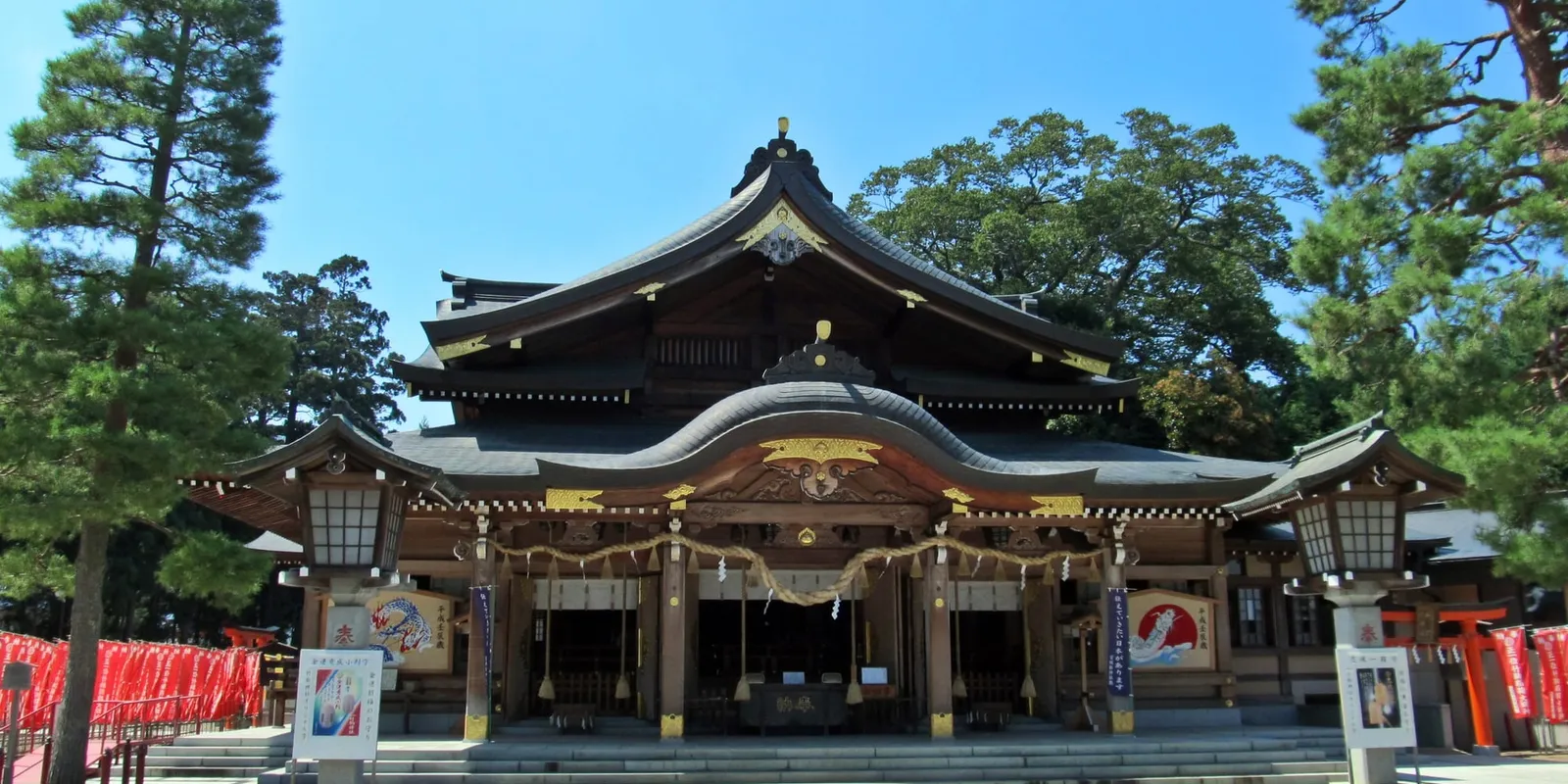
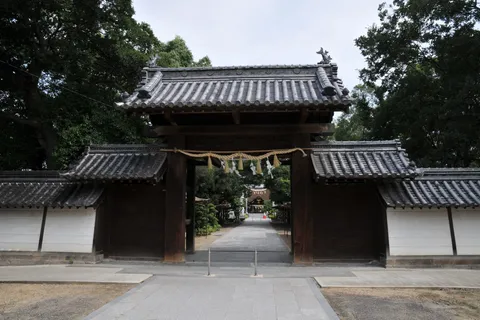
The vermilion Zuishinmon Gate standing at the front of the grounds is a two-story gate dating to the Edo period, and together with the Chinese-style karamon gate and worship hall beyond it, forms a striking display of the vivid red architecture typical of an Inari shrine. Deeper within the grounds stands a votive wooden horse commemorating the tradition that the Heian-era poet-priest Noin encountered the shrine’s divine power in the form of a child riding a bamboo horse, and a small museum dedicated to horse-related treasures preserves this distinctive strand of the shrine’s Inari and equine folklore.
In recent years the shrine grounds have also added “Takekoma Ichiba,” a market built from a renovated rest area for worshippers, and a shrine café, “Takekoma no Mori Café Ichiryu Manbai” — giving visitors a way to enjoy the historic shrine architecture alongside a more contemporary visiting experience beloved by locals.
Visiting Tips
The grounds are compact enough that a visit takes only about 20–30 minutes, but the vermilion procession of buildings from the Zuishinmon Gate through the karamon gate to the worship hall rewards a slower look. Goshuin stamps can be received at the shrine office between 9:00 and 16:30, and limited double-page goshuin are sometimes offered during the Hatsuuma Festival season. It’s about a 15–20 minute walk from JR Iwanuma Station, making for a pleasant stroll along the approach that leads from the station to the shrine.
Annual Festivals
- Matsutaki-sai Bonfire Festival (January 14–15): A Koshogatsu rite in which New Year decorations and old amulets are ceremonially burned, praying for good health through the year ahead.
- Hatsuuma Grand Festival (seven days around the first Day of the Horse in March): The shrine’s largest festival, praying for a bountiful harvest and business prosperity, with a colorful procession of the Takekoma Yakko attendants and other rites and events.
- Rice-Planting Festival (May 12): A rite in which around 50 participants perform the traditional motions of rice planting in an ancient style.
- Autumn Grand Festival (late September): A harvest thanksgiving festival that draws the whole town together with floats, a portable shrine procession, and performances of local folk arts.
Nearby Food & Sightseeing
- Numata Shoten Mengumi: A popular Iwanuma ramen shop operating inside the “Takekoma Ichiba” market on the shrine grounds — a chance to try locally loved chuka soba noodles between prayers.
- Takekoma no Mori Café Ichiryu Manbai: A shrine café tucked into the grounds, known for parfaits served with a fortune-telling slip and sweets shaped like fox statues and torii gates — a perfect stop to rest after visiting.
- Millennium Hope Hills: A chain of memorial parks along the Iwanuma coastline built to honor the memory of the 2011 Tohoku earthquake and tsunami, with hilltop views over the Pacific Ocean and the Zao mountain range, and exhibits on disaster memory and preparedness.
Frequently Asked Questions
- Q. What are the visiting hours at Takekoma Jinja?
- A. The grounds are open to visitors at all times (the gates are open roughly 6:00–17:00; the shrine office is open 9:00–16:30).
- Q. When can I get a goshuin, and how much does it cost?
- A. Goshuin are available at the shrine office from 9:00 to 16:30, from ¥500.
- Q. Is there parking at Takekoma Jinja?
- A. Yes, free visitor parking is available on the grounds.
- Q. Is Takekoma Jinja one of Japan's Three Great Inari Shrines?
- A. Fushimi Inari Taisha in Kyoto is the head shrine of Inari worship, but Takekoma Jinja has long been counted, by local and regional tradition, among Japan's "Three Great Inari Shrines" (the exact membership varies by source, with shrines such as Kasama Inari or Yutoku Inari sometimes named instead).
- Q. How do I get to Takekoma Jinja?
- A. About 15–20 minutes on foot from the east exit of JR Iwanuma Station (Tohoku Main Line / Joban Line), or about 10 minutes by car from the Iwanuma Interchange on the Sendai-Tobu Road.
Related Shrines
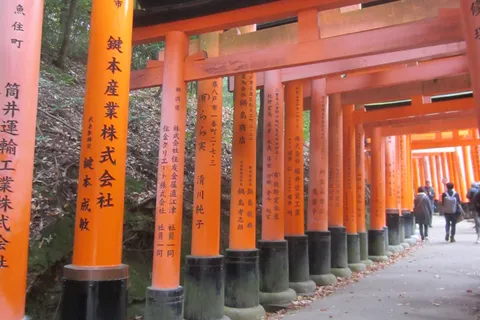
Kyoto Prefecture, Fushimi-ku, Kyoto
Fushimi Inari Taisha
Fushimi Inari Taisha
- Business Prosperity
- Bountiful Harvest
- Household Safety
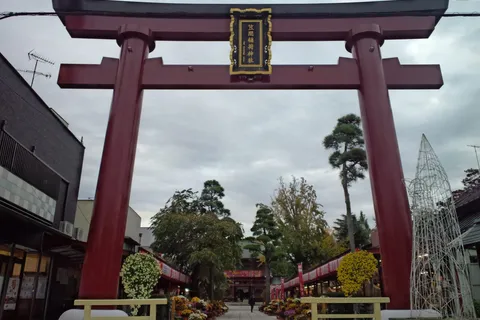
Ibaraki, Kasama
Kasama Inari Jinja
Kasama Inari-jinja
- Business Prosperity
- Bountiful Harvest
- Household Safety
Kagawa, Takamatsu
Tamura Jinja
Tamura-jinja
- Bountiful Harvest
- Business Prosperity
- Household Safety