History
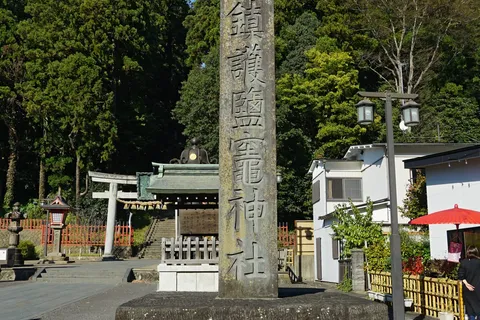
Kehi Jingu is an ancient shrine in Tsuruga, Fukui Prefecture, long ranked among the most prestigious shrines of the Hokuriku region as an Engi-shiki “myojin taisha” and the ichinomiya (first shrine) of former Echizen Province. Its principal deity, Izasawake-no-mikoto — also known as Kehii-no-Okami or Miketsu-no-Okami — is said to have manifested over 2,000 years ago at the peak of Mt. Amazutsu before descending to the sacred ground now within the shrine precinct. The shrine appears in the Kojiki and Nihon Shoki, and its deep associations with Emperor Chuai, Empress Jingu, and Emperor Ojin give it an important place in Japan’s ancient history.
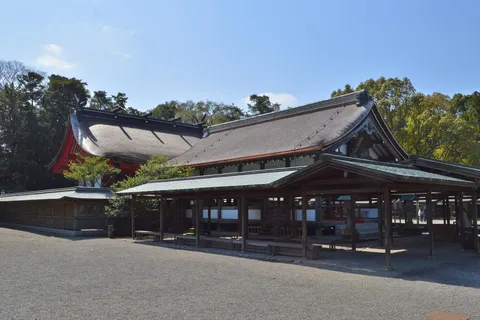
In 702, during the reign of Emperor Monmu, the shrine buildings were rebuilt by imperial order, enshrining Emperor Chuai and Empress Jingu together as the main sanctuary. Yamato Takeru-no-mikoto was enshrined in the East Palace Hall, Emperor Ojin in the Sosha Hall, Tamahime-no-mikoto in the Heiden Hall, and Takeshiuchi-no-Sukune in the West Palace Hall, together forming what came to be known as the “Four Palace Shrines.” Tsuruga, blessed with a natural harbor, served as a gateway between the provinces of the Hokuriku region and the capital, as well as a strategic point of contact with the Korean peninsula — and Kehi Jingu, revered by the imperial court as the “Guardian Shrine of All Hokuriku,” was held in particularly high regard.
Despite enduring wartime destruction and disaster over the centuries, the shrine has long been affectionately known to locals as “Kei-san,” and today continues to welcome many visitors as the ichinomiya of Echizen Province.
Highlights
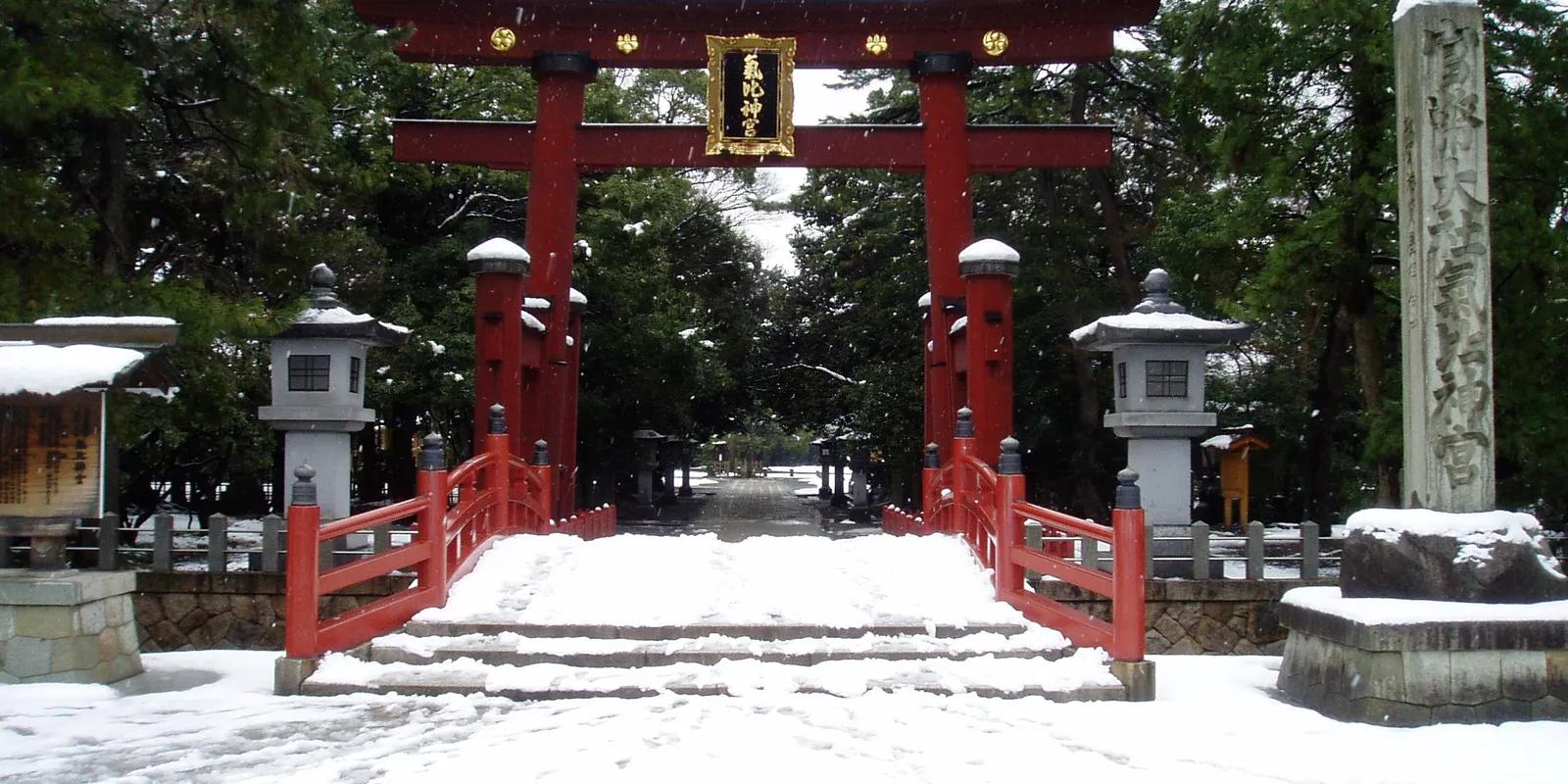
The vermillion great torii gate at the entrance to the grounds stands 10.9 meters tall and, alongside the torii of Kasuga Taisha in Nara and Itsukushima Jinja in Hiroshima, is counted among the “Three Great Wooden Torii of Japan,” and is a National Important Cultural Property. It is said to have been built during the Kan’ei era from muro trees felled on the shrine’s former sacred lands, and remains the defining sight that greets every visitor to Kehi Jingu.
On the grounds, “Chomeisui,” a spring said to have flowed continuously for over 1,300 years since the shrine’s rebuilding, is known as a “power spot” believed to bestow longevity. Nearby, Kehi-no-Matsubara — said to have once been the shrine’s own sacred garden — is a scenic area of white sand and green pines counted among the Three Great Pine Groves of Japan.
Visiting Tips
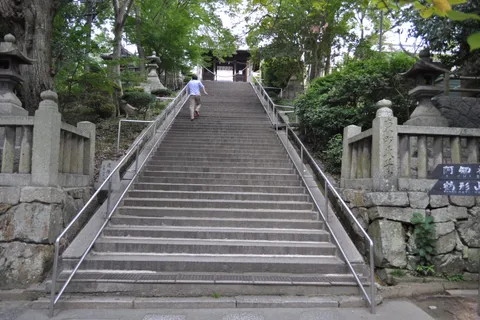
Though within easy walking distance of JR Tsuruga Station, the grounds feel quiet and solemn once you pass beneath the great torii. Beyond the approach leading to the main hall, there is plenty to see, including the sub-shrines on the grounds and Chomeisui spring, so it’s worth allowing extra time to explore. After paying your respects, consider extending your visit with a walk to nearby Kehi-no-Matsubara, where the pines open onto views of Tsuruga Bay.
Annual Festivals
- Kehi’s Long Festival / Grand Festival (September 2–15): Beginning with the Eve Festival on September 2, followed by the Divine Procession on the 3rd, the main Grand Festival on the 4th, festival events from the 5th through the 10th, and concluding with the Monthly Festival on the 15th — a lengthy celebration widely known as “Kehi’s Long Festival” or the “Tsuruga Festival.”
- Sosansai Festival (July 22): A rite rooted in the legend of the enshrined Empress Jingu, featuring a ceremonial boat procession that reenacts her sea crossing toward Tsunuga Jinja.
- Tsukinami-sai / Monthly Festival (1st and 15th of every month): A regular rite praying for peace and prosperity month by month.
- Saitan-sai / New Year’s Festival (January 1): A New Year’s rite celebrating the new year and praying for national peace and the flourishing of worshippers.
Nearby Food & Sightseeing
As befits a town built around a fine natural harbor, Tsuruga offers excellent restaurants serving fresh seafood alongside beloved local Fukui specialties. Several scenic spots within walking distance of Kehi Jingu make for a pleasant extension to your visit.
- Europe-ken Tsuruga Main Shop: About a 7-minute walk from Kehi Jingu, this long-established Western-style restaurant is famous for “sauce katsudon,” a beloved Fukui specialty.
- Kehi-no-Matsubara: A scenic pine grove said to have once been the sacred garden of Kehi Jingu, counted among the Three Great Pine Groves of Japan.
- Tsuruga Red Brick Warehouse: A pair of Meiji-era port warehouses turned sightseeing complex, home to a restaurant and diorama hall, and a good base for exploring the harbor area.
Frequently Asked Questions
- Q. What are the visiting hours?
- A. The grounds are open to visitors at any time; the reception office is open around 8:30–17:00.
- Q. When is the goshuin office open?
- A. 8:30–17:00, for ¥300.
- Q. Is there parking?
- A. Yes, free parking is available (about 10 spaces beside the great torii, and about 50 car spaces plus 10 bus spaces east of the main hall).
- Q. What makes the great torii notable?
- A. At 10.9 meters tall, it's counted among Japan's "three great wooden torii," alongside those at Kasuga Taisha and Itsukushima Shrine.
- Q. How do I get there?
- A. About a 15-minute walk from JR Tsuruga Station.