History
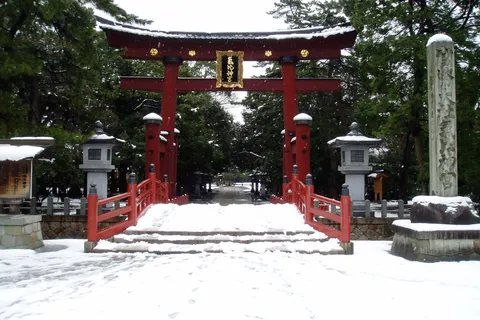
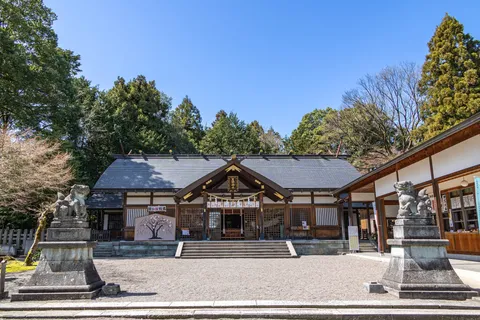
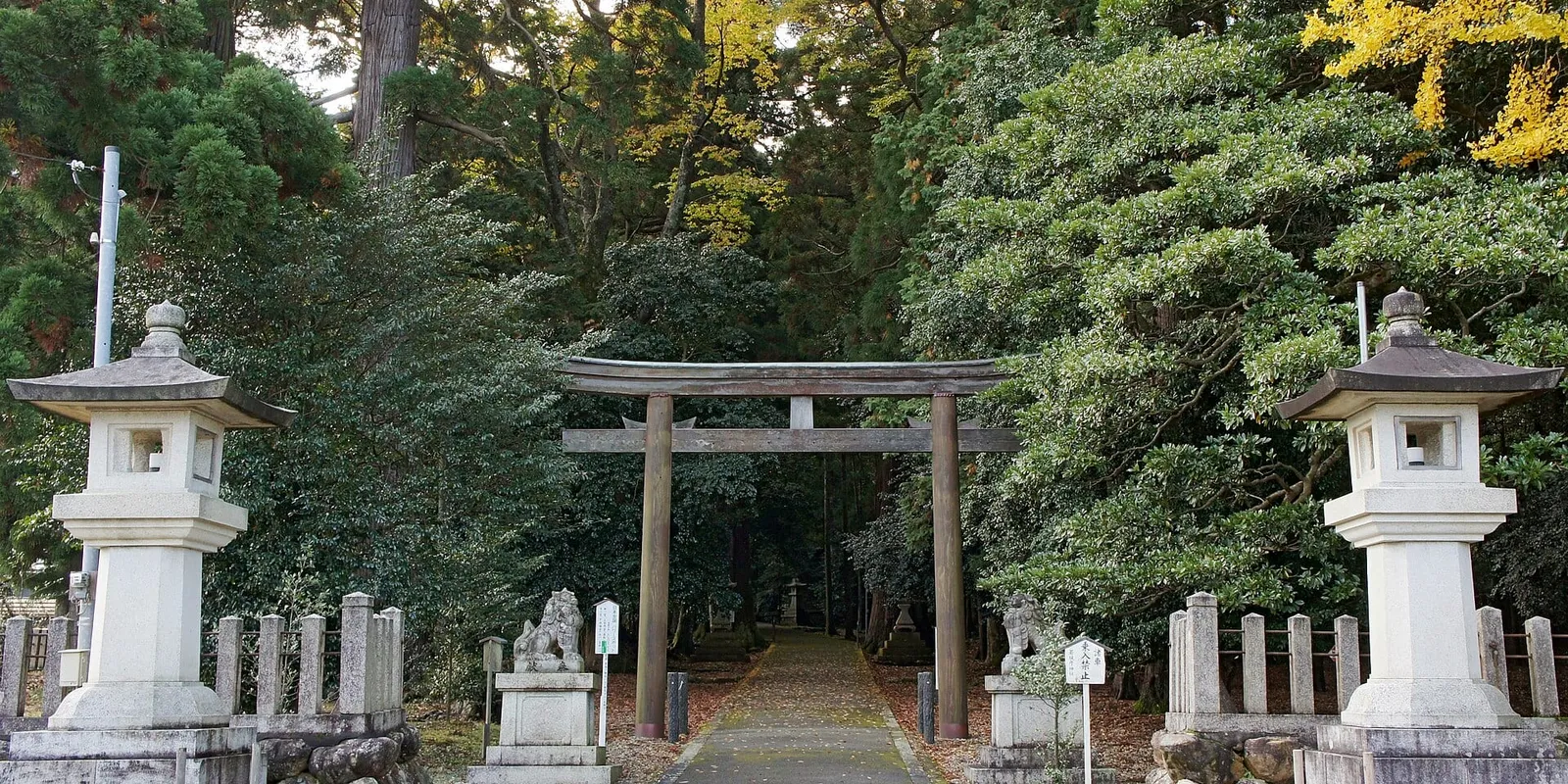
Wakasahiko Jinja is the ichinomiya (first-ranked shrine) of the former Wakasa Province, in Obama, Fukui Prefecture, and consists of two shrines, an upper and a lower. This page covers the upper shrine (Wakasahiko Jinja) in Ryuzen, Obama. The lower shrine is Wakasahime Shrine in Onyu, a separate site with a different address. It is read “Wakasahiko Jinja”; the official site gives no reading, so this follows the Japanese Wikipedia. The official site’s domain is spelled “wakasahiko-jinja.”
According to the official history, at a place called Unose in Shimo-negoro Shiraishi, Obama, the god Wakasahiko and then the goddess Wakasahime are said to have descended onto a great rock above a pool formed where the clear Onyu River strikes the bank. About 150 meters south is Shiraishi Shrine, said to be the first shrine. After traveling around Wakasa Province in search of a place to be enshrined forever, Wakasahiko Jinja was enshrined at Ryuzen on September 10 of Reiki 1 (715), and Wakasahime Shrine at Onyu six years later, on February 10 of Yoro 5 (721), the shrine explains.
The official site cites “a history of more than 1,300 years” and says that until the war it was the only Kokuhei Chusha (state-supported middle-rank shrine) in the Wakasa area, revered as the most prestigious in the region. It is listed in the Heian-period Engishiki as “Wakasa Hiko Jinja, two seats (Myojin Taisha)” (official site). The upper shrine’s deity is Hikohohodemi no Mikoto (Yamasachihiko). Together with Toyotamahime no Mikoto (Otohime) of the lower shrine, he is worshipped as a protector of safety at sea and good catches, and the site adds that faith is also strong in the protection of agriculture, fishing, safe childbirth and child-rearing, and the tatami and floor-covering trades.
Highlights
In the upper shrine’s grounds, in front of the Romon gate (Zuishinmon), stand the “Meoto-sugi” (husband-and-wife cedars). According to the official site, the husband tree measures 3.5 m around at eye level and is 40 m tall, and the wife tree is 3 m around and 30 m tall; the two are pressed tightly together at the base, and praying here is said to bring marital harmony.
The upper shrine’s main hall, Shinmon and Zuishinmon are designated cultural properties of Fukui Prefecture (official site). The main hall’s cypress-bark roof was re-thatched for the first time in about 60 years: work began on October 14, 2024 (Reiwa 6), and the official notice of September 2025 reported its completion. On October 4 of that year, the “Shosenza-sai” (正遷座祭) ceremony returned the deity from the temporary hall (the lower shrine, Wakasahime Shrine) to the main hall, with the Onyu great drum and kagura dance offered, according to the official site. Repair of the Shinmon and Zuishinmon roofs is now under way, and the official notice dated October 11, 2026 says the work is currently in progress.
At the auxiliary shrine Wakamiya Shrine, Ugayafukiaezu no Mikoto (father of Emperor Jimmu, said to be the child of Wakasahiko and Wakasahime) is enshrined and worshipped as a god of safe childbirth. The co-enshrined 蟻通神 (reading not given on the official site) is a god of wisdom, with strong faith for academic success (all per the official site). The official site also lists, as national Important Cultural Properties connected with the shrine, a Heian-period sword (held at the Tokyo National Museum) and an old manuscript copy of the “詔戸次第” (reading not given on the official site), dated Kengen 2 (1303) in the Kamakura period.
Visiting Tips
According to the official site, neither the upper nor the lower shrine has a closing time, and you can visit freely. However, the upper shrine has no shrine office. Prayer requests, goshuin and amulets are handled at the lower shrine (Wakasahime Shrine) office, 10:00 AM–3:00 PM (tel. 0770-56-1116), and on some days, such as local ritual days, no priests or staff are present.
There is a goshuin for each of the upper and lower shrines. Handwritten ones are ¥300 for one shrine or ¥600 for two, and goshuin books are ¥2,000 (official site). Prayer offerings start from ¥5,000, and the shrine lists services such as Shichi-go-san, protection from misfortune, safe-childbirth prayers, first shrine visits for newborns, and traffic-safety prayers. Amulets include the “dream amulet” (夢守), tied to the gods 夢彦神 and 夢姫神 (readings not given on the official site). The official site says this is the only shrine in Japan that enshrines these two gods, but they are co-enshrined at Hie Shrine, an auxiliary shrine of the lower shrine.
The official site has no access directions or parking information. The Japanese Wikipedia says it is about a 30-minute walk from Higashi-Obama Station on the JR Obama Line to the upper shrine. With the Shinmon and Zuishinmon repairs in progress, it is safest to ask the shrine office beforehand about visiting and which areas are accessible.
Annual Festivals
According to the official “Festivals and Events” page and its 2026 notices, as follows. Dates can change from year to year, so check the official site.
- Annual festival (March 10, lower shrine): Held in connection with the enshrinement on February 10 of Yoro 5; since the switch to the solar calendar it has been held one month later, on March 10, says the official site (priests perform the rite at the lower shrine’s main hall). The 2026 festival was held on Tuesday, March 10, and the notice says locals have long called it the “Kabura Matsuri.”
- “Ta no Kami Matsuri” (田の神祭り) during Satsuki-yasumi (皐月休み) (late May): On a late-May weekend in the Onyu district of Obama, a children’s portable-shrine procession is offered at the lower shrine.
- Annual festival (October 10, upper shrine): Held in connection with the enshrinement on September 10 of Reiki 1, on October 10. The 2026 festival was held on Saturday, October 10, but because the Shinmon and Zuishinmon are under repair, the official notice says it was “not held in the original shrine buildings” (本来の御社での例祭ではありませんでした).
- Onyu Matsuri (around October 10): A festival praying for a bountiful harvest, in which great drums and kagura dances parade through the Onyu district. In 2026 it ran on October 10–11, with the great drum offered at the upper and lower shrines and the Thousand-Year Cedar of the lower shrine illuminated, according to the official site.
Nearby Food & Sightseeing
- Wakasahime Shrine (lower shrine): The lower shrine of Wakasahiko Jinja, and the place where goshuin, prayers and amulets are handled. According to the official site, its grounds hold the “Sennen-sugi” (Thousand-Year Cedar), 6 m around at eye level and 40 m tall, and the “Ogatama no ki,” a natural monument designated by Obama City.
- 鵜ノ瀬: The pool on the Onyu River where the two deities are said to have descended in the history. To the south is Shiraishi Shrine, an off-site shrine (official site). (The reading of this place name was not confirmed, so the kanji is given here.)
- Wakasa Jinguji: According to the Japanese Wikipedia, it was originally the shrine-temple of Wakasahiko Jinja, and the “Omizuokuri” water-sending ritual to Todai-ji’s Nigatsu-do is now centered on this temple. Check dates and visiting details in advance.
Frequently Asked Questions
- Q. What are the visiting hours? Is there a shrine office?
- A. According to the official site, neither the upper nor the lower shrine has a closing time, and you can visit freely. However, the upper shrine has no shrine office. Prayer requests, goshuin and amulets are handled at the lower shrine (Wakasahime Shrine) office, 10:00 AM–3:00 PM (tel. 0770-56-1116). The site notes that on some days, such as local ritual days, no priests or staff are present.
- Q. Where can I get a goshuin, and how much is it?
- A. The official site says there is a goshuin for each of the upper shrine (Wakasahiko Jinja) and the lower shrine (Wakasahime Shrine), issued at the lower shrine's office (10:00 AM–3:00 PM). Handwritten goshuin are ¥300 for one shrine or ¥600 for two, and goshuin books are ¥2,000. Because the upper shrine has no shrine office, goshuin are not issued on its grounds.
- Q. How do I get there, and is there parking?
- A. The official site gives no regular access directions or parking information. According to the Japanese Wikipedia, it is about a 30-minute walk from Higashi-Obama Station on the JR Obama Line to the upper shrine (about 10 minutes to the lower shrine). For the October 2025 Shosenza-sai ceremony, the "Reinan Forestry Cooperative parking lot" was announced as event-day parking on the upper shrine side, but the official site does not say whether it is regular parking. It is safest to check with the shrine office (0770-56-1116) before you go.
- Q. I heard restoration work is underway. Can I still visit?
- A. According to the official site's notice dated October 11, 2026, repair work on the roofs of the upper shrine's Shinmon (inner gate) and Zuishinmon (gate) is currently under way. The main hall's cypress-bark roof was finished in Reiwa 7 (2025). The official site gives no guidance on visits or which areas are accessible during the work, so please ask the shrine office before you visit.
- Q. What is the difference between Wakasahiko Jinja (upper) and Wakasahime Shrine (lower)?
- A. The official site lists the upper shrine (Wakasahiko Jinja) in Ryuzen and the lower shrine (Wakasahime Shrine) in Onyu, both in Obama, Fukui. They are separate places with different addresses. The upper shrine enshrines Hikohohodemi no Mikoto (Yamasachihiko) and the lower shrine Toyotamahime no Mikoto (Otohime), and both are worshipped as protectors of safety at sea and good catches. After the lower shrine was ranked as a Kokuhei Chusha in the 4th year of Meiji (1871), it came to be officially called the lower shrine of Wakasahiko Jinja, but locals still call it Wakasahime Shrine.
Plan Your Visit
Before you go, you can book a stay and get your shrine-visit items ready.
Amazon links open Amazon.co.jp (Japan) in English; whether an item ships overseas depends on the product.
※ Contains ads (PR). Links open external sites such as Amazon, Rakuten, Trip.com and Booking.com.