History
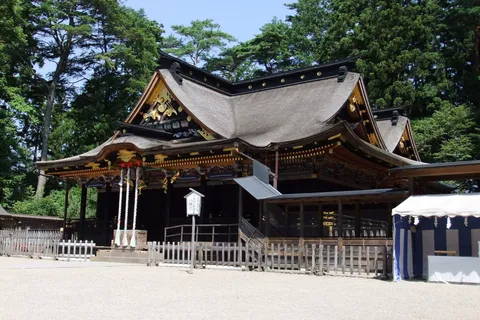
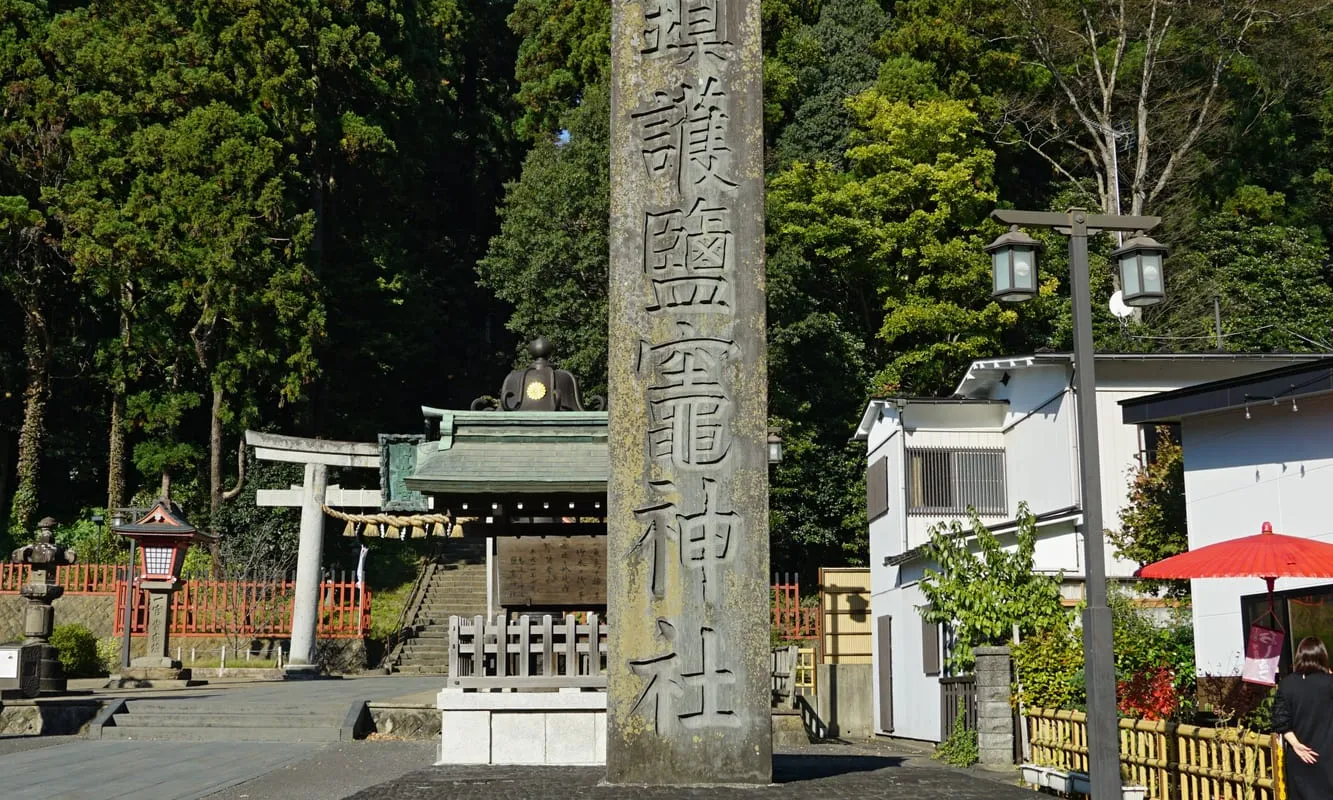
Shiogama Jinja, the first shrine (ichinomiya) of the old Mutsu Province, has long been revered as the foremost shrine of the Tohoku region. Its enshrined deity, Shiotsuchi no Oji no Kami, is said to have taught people the art of salt-making, and the shrine draws deep devotion as a guardian of maritime safety and safe childbirth. Its founding date is unknown, but it was highly regarded by the imperial court and received deep reverence from generations of rulers who governed Tohoku, including the Oshu Fujiwara clan and the Date family.
The present shrine buildings were constructed under Date Tsunamura, the fourth lord of the Sendai domain, and are designated an Important Cultural Property of Japan as a valuable example of Edo-period shrine architecture.
The Heian-period legal compendium Kōnin-shiki records that ritual offerings were granted by the imperial court, indicating that the shrine already enjoyed deep reverence from the court by at least the early Heian period. In the medieval era it drew the devotion of the Oshu Fujiwara clan, and the Kamakura shogunate recognized it as the ichinomiya of Mutsu Province. In the Edo period, the Date lords of the Sendai domain served for generations as its “Great Chief Priest” overseeing its rites, and in 1607 Date Masamune had the shrine buildings constructed — part of the deep reverence shown by successive generations of the Date family that shaped the shrine’s rank and buildings as they are known today.
Highlights
The “Omotezaka,” the main approach’s steep stone stairway of 202 steps, preserves the look of the historic approach to this day. From the grounds, visitors can take in a sweeping view of Matsushima Bay, home to Matsushima, one of Japan’s Three Great Views, making this one of Tohoku’s finest scenic spots. The “Shiogama-zakura” cherry trees, designated a natural monument, are another highlight.
Visiting Tips
The Omotezaka stairway is long and steep, so those without much stamina may prefer the gentler slope of the East Approach. The shrine grounds are adjacent to Shiwahiko Shrine, and many visitors pay their respects at both.
Annual Festivals
- Hote Festival (March 10): A spring rite continuing since 1733, one of Japan’s Three Great Rowdy Mikoshi Festivals; the spectacle of 16 bearers carrying a mikoshi weighing about one ton down the 202 steps of the Omotezaka is a highlight.
- Shiogama Minato Festival (July): One of Japan’s Three Great Boat Festivals; the sacred palanquin boats “Hoo-maru” and “Ryuho-maru,” carrying mikoshi, process around Matsushima Bay.
- Hana Matsuri: Along with the Hote Festival and Minato Festival, one of the “Ujiko Three Festivals,” a set of celebrations centered on mikoshi processions.
Nearby Food & Sightseeing
Shiogama is known for its fresh seafood, and many visitors come to enjoy “Shiogama-zushi” sushi after paying their respects. The city is also a convenient base for exploring Matsushima.
- Cafe Harema: Located between JR Hon-Shiogama Station and the shrine, this cafe is set in a renovated early-Meiji-era inn, serving sweets and light meals with local Shiogama flavors.
- Around Hon-Shiogama Station, several local confectionery shops serve treats like goshiki dango (five-color dumplings), perfect for a post-visit snack while strolling.
Frequently Asked Questions
- Q. What are the visiting hours?
- A. Generally 5:00–18:00, varying by season.
- Q. When is the goshuin office open?
- A. Around 9:00–16:30, for ¥500.
- Q. Is there parking?
- A. Yes, free parking is available on the grounds.
- Q. Is the Omote-zaka stairway difficult?
- A. It's a steep 202-step staircase. If you're not confident in your stamina, the gentler Higashi-sando approach is a good alternative.
- Q. How do I get there?
- A. About a 15-minute walk from JR Senseki Line Hon-Shiogama Station.