History
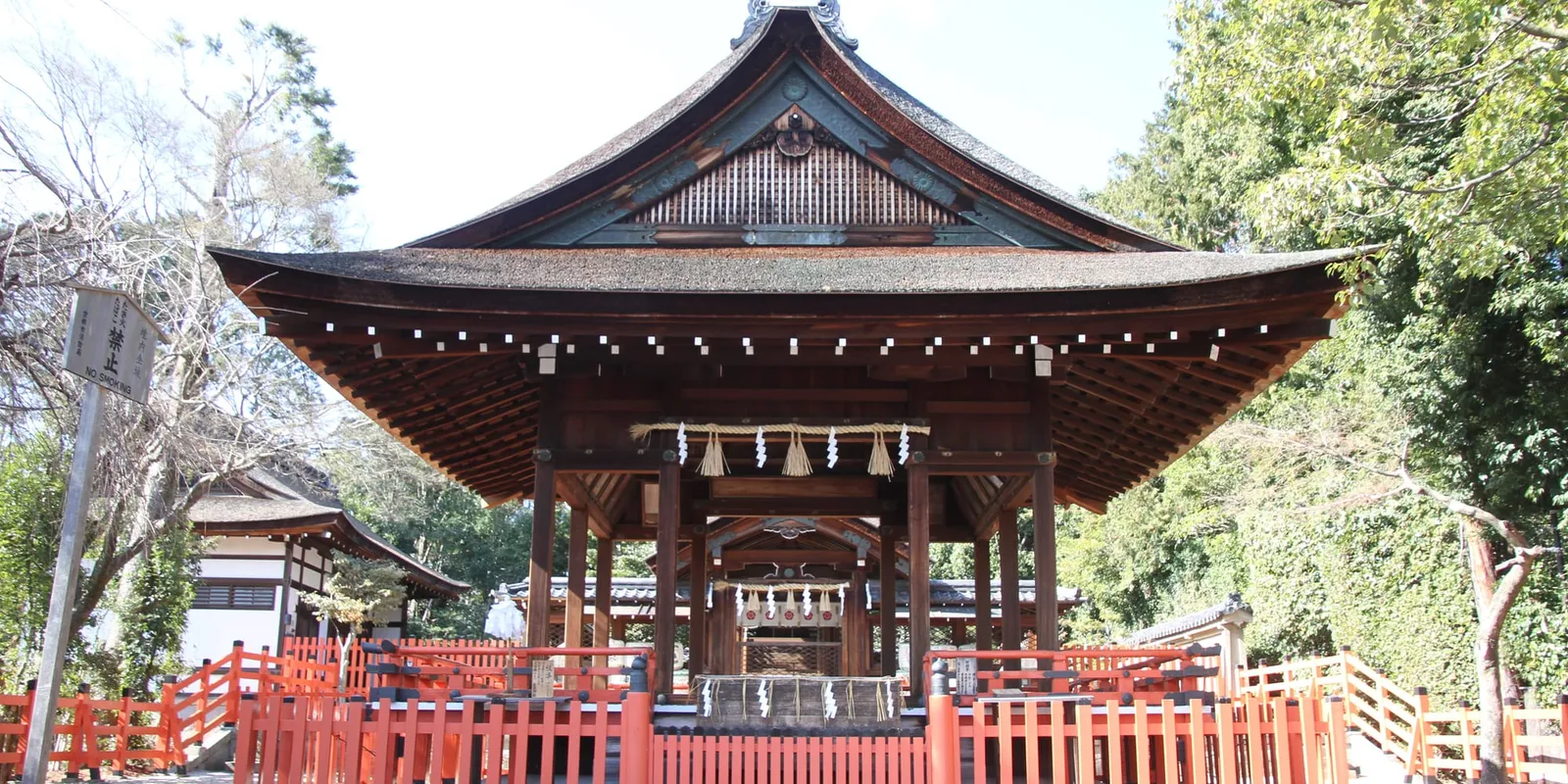
Kenkun Jinja was founded in 1869 by imperial decree of Emperor Meiji, to honor the great achievements of Oda Nobunaga in unifying a fractured Japan. Its site was fixed atop Mt. Funaoka in Kyoto, a location tied to Nobunaga’s own history, and the present shrine buildings were completed on the summit in 1880. The name “Kenkun” comes from a posthumous title granted to Nobunaga by the imperial court; the shrine is commonly read “Kenkun-jinja,” though its formal reading is “Takeisao-jinja.”
The principal deity is Oda Nobunaga, worshipped alongside his son and heir, Oda Nobutada, as an associated deity. The shrine honors Nobunaga’s role in restoring order to a Kyoto devastated by the Onin War and laying the foundations for the unification of Japan — a fitting tribute to found at the dawn of the new Meiji era.
Highlights
The single greatest highlight of Kenkun Jinja is its location itself, atop the 112-meter summit of Mt. Funaoka. From the grounds, visitors are treated to a sweeping panorama that takes in the thirty-six peaks of Higashiyama and the cityscape of Kyoto below, making it one of the city’s finest viewpoints.
The shrine’s main hall enshrines the spirits of Nobunaga and his son Nobutada, while its treasure house preserves swords and other artifacts connected to Nobunaga. The Noh play “Atsumori,” said to have been performed by Nobunaga himself before he rode into the decisive Battle of Okehazama, is dedicated at the shrine every autumn during the Funaoka Grand Festival. Mt. Funaoka was itself a battlefield during the Onin War, giving visitors a chance to experience layers of history stacked one atop another.
Visiting Tips
The grounds are open to visitors at all times, and the shrine office is open 9:00–17:00. There is no dedicated parking, so visitors arriving by car should use a nearby coin-operated lot. Both the walk from Kitaoji subway station and from the Funaokayama bus stop involve a climb, so comfortable walking shoes are recommended. For the best views, a clear morning is ideal.
Annual Festivals
- Funaoka Grand Festival (October 19): Commemorates the day Emperor Meiji posthumously granted Nobunaga the title “Kenkun.” Features a dedication of the Noh play “Atsumori” along with rites connected to Nobunaga.
- Summer Purification Rite, Chinowa-kuguri (June 30): A ceremony cleansing the impurities of the past half-year and praying for good health.
- Monthly Festival (the 1st of every month): A regular rite of thanksgiving for the deity’s blessings.
- New Year’s Festival and Hatsumode (January 1–3): The shrine’s first visits of the new year draw large crowds.
Nearby Food & Sightseeing
- Daitoku-ji: A major head temple of the Rinzai Zen sect within walking distance of Kenkun Jinja, with subtemples such as Daisen-in well worth exploring, and long-standing ties to the tea ceremony.
- Funaoka Onsen: A historic public bathhouse dating to the Taisho era, registered as a national Tangible Cultural Property for its beautiful Majolica-tile decoration, about a 3-minute walk from Kenkun Jinja and popular for a rest after visiting.
- Cafe Sarasa Nishijin: A cafe converted from a 95-year-old former bathhouse, where visitors can enjoy meals and sweets amid retro Majolica-tile decor.
Frequently Asked Questions
- Q. What are the visiting hours at Kenkun Jinja?
- A. The grounds are open to visitors at all times. The shrine office is open 9:00–17:00.
- Q. When can I get a goshuin at Kenkun Jinja, and how much does it cost?
- A. Goshuin are available at the shrine office from 9:00 to 17:00, for ¥300.
- Q. Is there parking at Kenkun Jinja?
- A. No, there is no dedicated parking; visitors should use a nearby coin-operated parking lot.
- Q. Why is Oda Nobunaga enshrined at Kenkun Jinja?
- A. The shrine was founded in 1869 by imperial decree of Emperor Meiji to honor Nobunaga's achievements in unifying Japan. It enshrines Oda Nobunaga as its principal deity, alongside his son and heir, Oda Nobutada, as an associated deity. The name "Kenkun" comes from the posthumous title the imperial court bestowed on Nobunaga.
- Q. How do I get to Kenkun Jinja?
- A. About a 20-minute walk from Exit 1 of Kitaoji Station on the Karasuma subway line, or take Kyoto City Bus route 206 from stop A3 in front of Kyoto Station to the Funaokayama stop, then a 7-minute walk.
Related Shrines
Kyoto Prefecture, Higashiyama Ward, Kyoto
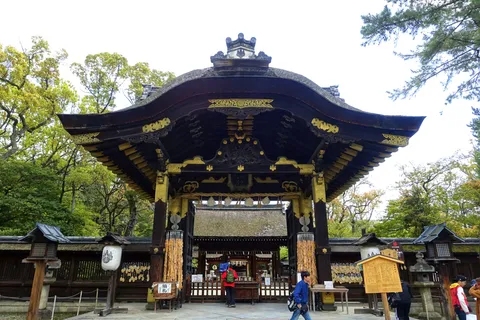
Toyokuni Jinja
Toyokuni-jinja
- Good Fortune
- Career Success
- Victory in Competition
Kyoto Prefecture, Sakyo-ku, Kyoto
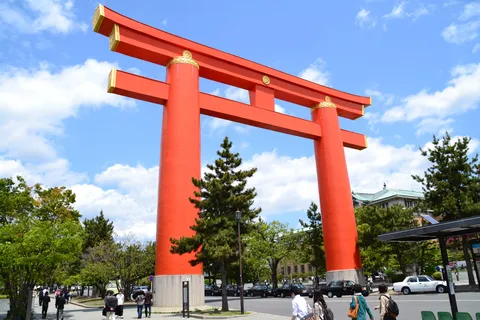
Heian Jingu
Heian-jingū
- Good Fortune
- Protection from Misfortune
- Household Safety
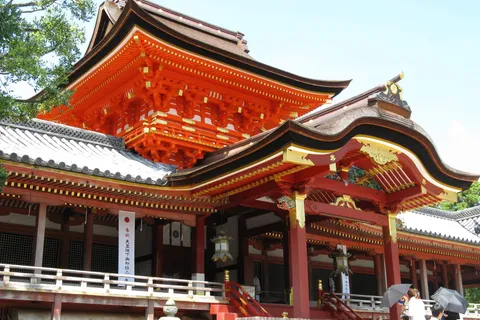
Kyoto Prefecture, Yawata
Iwashimizu Hachimangu
Iwashimizu Hachimangū
- Protection from Misfortune
- Victory in Competition
- Household Safety