History
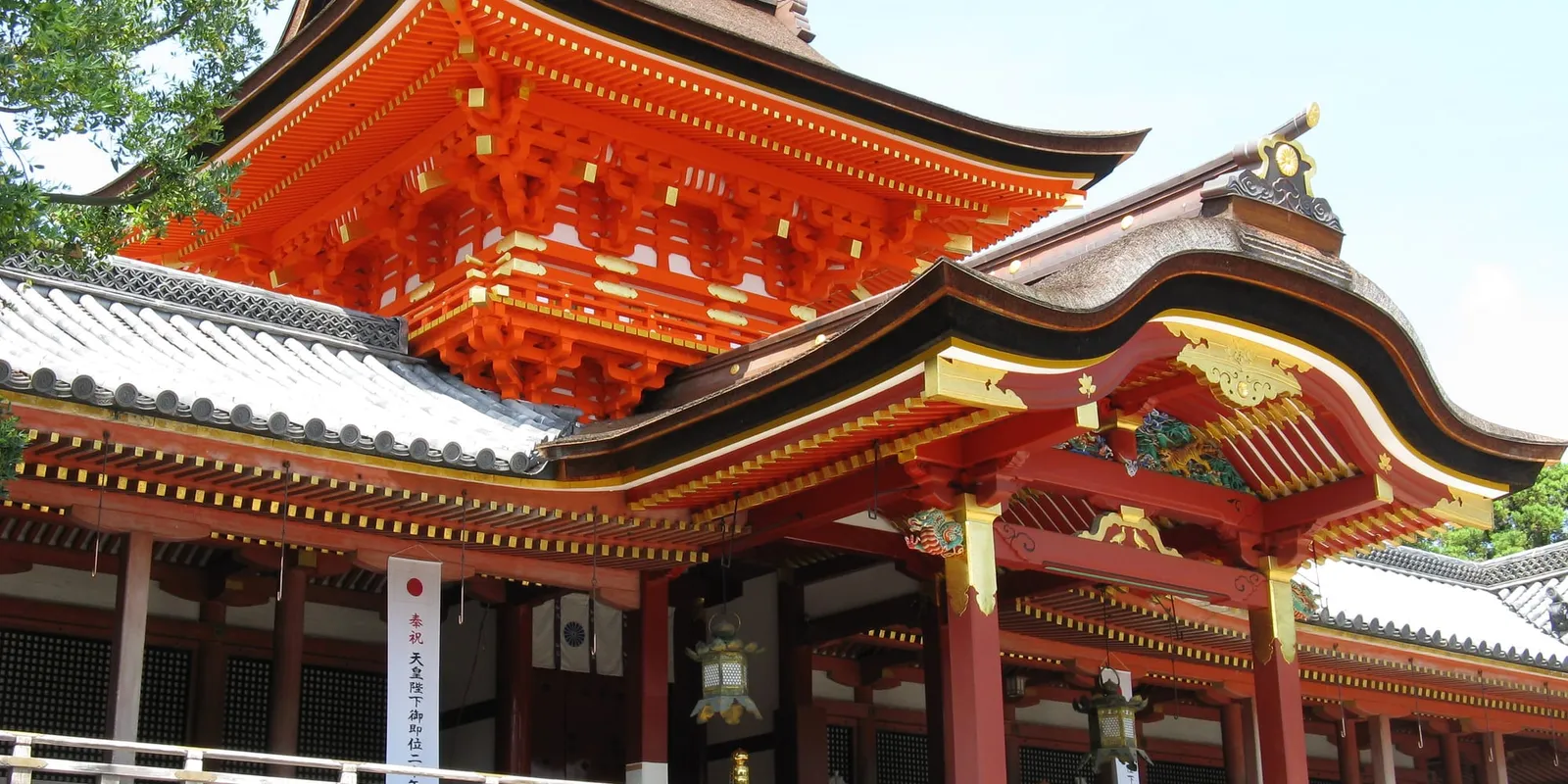
Iwashimizu Hachimangu stands atop Mount Otoko in Yawata, Kyoto, and is counted, together with Usa Jingu and Hakozaki-gu (or, in some accounts, Tsurugaoka Hachimangu), as one of Japan’s “Three Great Hachiman Shrines.” It was founded in 859, the 1st year of the Jōgan era, when the monk Gyōkyō of Daian-ji Temple in Nara received an oracle from the deity Hachiman Okami at Usa Hachimangu in Kyushu and enshrined the god here on Mount Otoko. Guarding the southwest — the “back demon gate” — of the Heian capital, the shrine has long been venerated as a protector of the nation and the imperial household. In 2016, ten of its main shrine buildings were designated National Treasures.
During the rebellion of Taira no Masakado and Fujiwara no Sumitomo in 939, the imperial court prayed to Hachiman Okami, and the uprising is said to have been quelled through the deity’s divine power. From that point on, imperial devotion to the shrine as a guardian of the nation grew even deeper. Successive emperors and retired emperors are said to have made more than 240 visits over the centuries, and together with Ise Jingu, the shrine is known as one of the “Two Ancestral Shrines” (Nisho Sobyo).
Highlights
The present main shrine was built under the third Tokugawa shogun, Iemitsu, and its beautiful vermilion-lacquered halls are designated a National Treasure as the “Iwashimizu Hachimangu Shrine Buildings.” The grounds command a sweeping view over the Kyoto basin, and locals affectionately call the shrine “Yawata no Hachiman-san.”
Visiting Tips
The cable car (funicular) up Mount Otoko is the most convenient way to reach the shrine. Along the walking path up the mountain stands a monument commemorating Thomas Edison’s use of bamboo from Mount Otoko as the filament for his early light bulbs.
Annual Festivals
- Chokusai Iwashimizu Festival (September 15) — One of the “Three Great Imperial Festivals,” together with the Kasuga Festival at Kasuga Taisha in Nara and the Aoi Festival of the Kamo shrines in Kyoto, this venerable rite dates back to the Heian period. It begins with a midnight procession of the deity and includes a release ceremony (hōjō-e) in which fish and doves are set free in the Hōjō River.
- Year-round festivals, including the Aoyama Festival and Takigi Noh — Iwashimizu Hachimangu holds more than 100 festivals and rites throughout the year.
Nearby Food & Sightseeing
The cherry-tree-lined Sewaritei embankment, with views over the confluence of the Kizu, Uji, and Katsura rivers, is another spot worth combining with your visit.
- Asahiya — A long-established restaurant of more than 100 years standing in front of Keihan Iwashimizu-Hachimangu Station, famous for its mackerel pressed sushi, a popular treat after paying your respects.
- Sewaritei Cherry Blossom Row — A famous spot where cherry trees line the confluence of the three rivers for about 1.4 km, drawing large crowds of blossom viewers in spring.
Frequently Asked Questions
- Q. What are the visiting hours?
- A. 6:00–18:00; the amulet office is open 9:00–16:00.
- Q. When is the goshuin office open?
- A. 9:00–16:00, for ¥500.
- Q. Is there parking?
- A. Yes, paid parking is available at the foot of the mountain.
- Q. How do I get up to the summit of Otokoyama?
- A. The funicular cable railway is the easiest way — get off right at Hachimangu-sanjo Station. A walking trail up the mountain is also available.
- Q. How do I get there?
- A. Get off right outside Hachimangu-sanjo Station on the Iwashimizu Hachimangu Sandō Cable.
Related Shrines
Kyoto Prefecture, Sakyo-ku, Kyoto
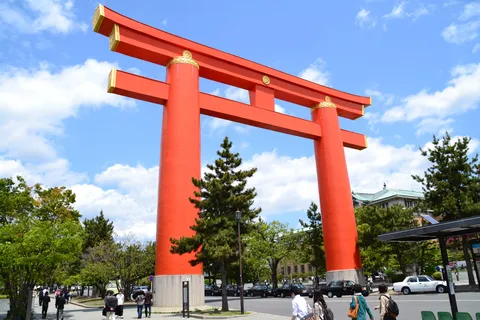
Heian Jingu
Heian-jingū
- Good Fortune
- Protection from Misfortune
- Household Safety
Kyoto Prefecture, Kamigyo Ward, Kyoto
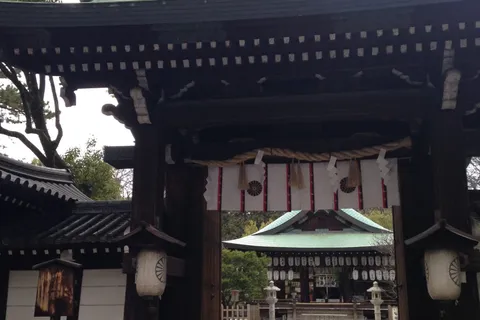
Shiramine Jingu
Shiramine Jingū
- Victory in Competition
- Improvement in Sports
- Protection from Misfortune
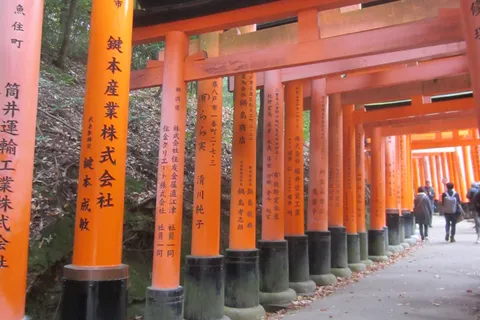
Kyoto Prefecture, Fushimi-ku, Kyoto
Fushimi Inari Taisha
Fushimi Inari Taisha
- Business Prosperity
- Bountiful Harvest
- Household Safety