History
Heian Jingu is a comparatively young shrine, founded in 1895 to commemorate the 1,100th anniversary of the founding of Heian-kyo, the ancient capital. It enshrines Emperor Kanmu, the 50th emperor who moved the capital to Heian-kyo, together with Emperor Komei, the 121st emperor who reigned in the closing years of the Edo period. The main hall reproduces, at five-eighths scale, the Chodoin, the government hall of Heian-kyo, making it a precious structure that conveys the look of Heian-period court architecture to this day.
Amid concern over the decline of Kyoto’s population and industry following the relocation of the capital to Tokyo after the Meiji Restoration, Kyoto citizens and business leaders planned to hold a “1,100th Anniversary Festival of the Heian Capital” together with the 4th National Industrial Exhibition, and as the centerpiece of this commemorative project, they sought to found a shrine enshrining Emperor Kanmu. Construction on the former site of the Heian Palace was initially considered, but due to land acquisition issues, the shrine was ultimately built at its present location in Okazaki. The Shin’en garden surrounding the shrine buildings is a strolling pond garden created over more than 20 years by Ogawa Jihei VII, a leading figure in modern Japanese garden design, and is designated a National Place of Scenic Beauty.
Highlights
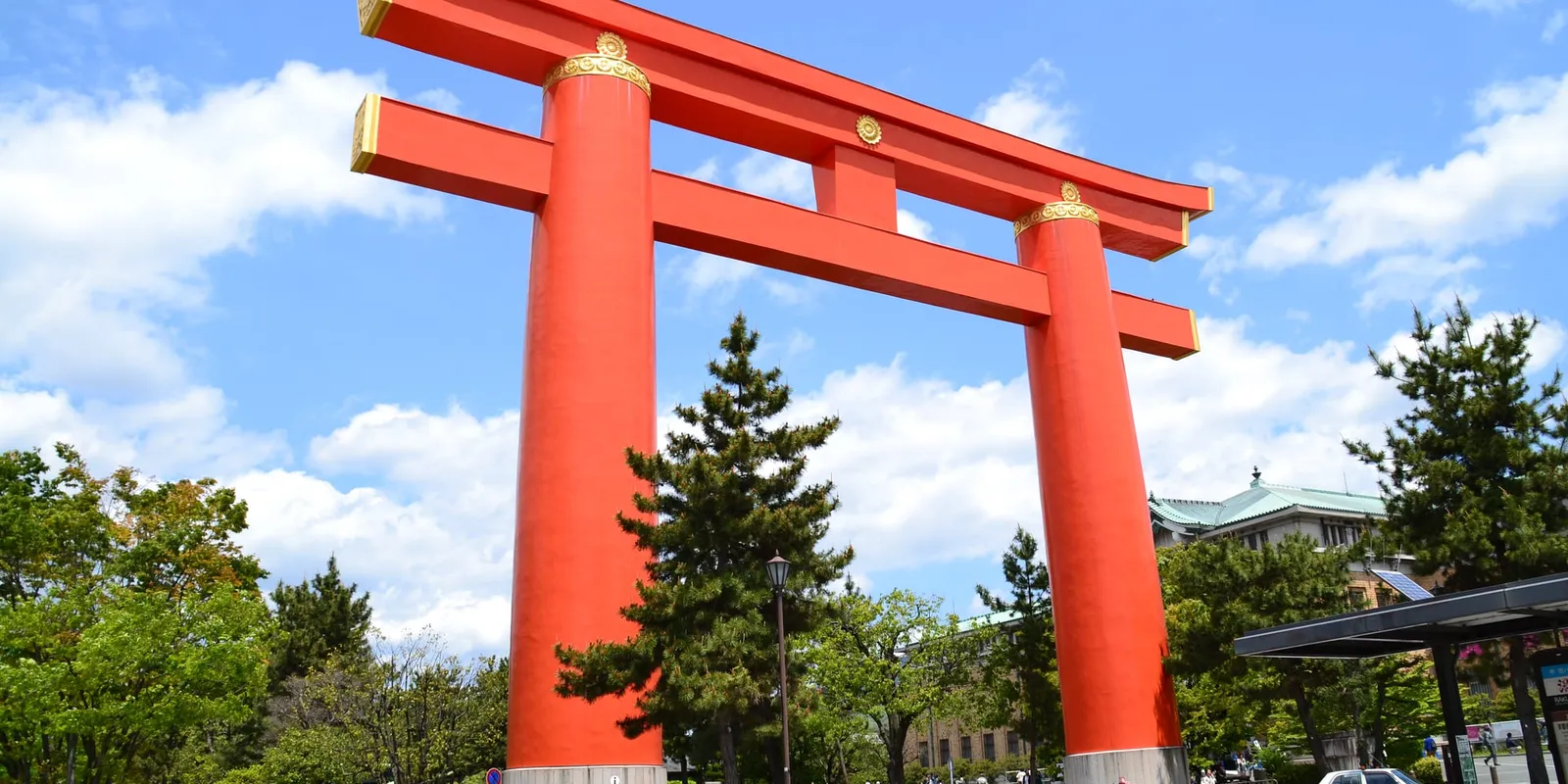
The vermillion Great Torii Gate at the entrance to the approach stands about 24 meters tall and is beloved as one of Kyoto’s symbols. The Shin’en garden surrounding the shrine buildings, laid out between the Meiji and Taisho eras, is a strolling pond garden beautiful in every season, with its weeping cherry blossoms in spring counted among Kyoto’s finest.
Visiting Tips
The grounds have an open feel, blending into the surrounding Okazaki Park, and the shrine buildings — with their striking contrast of vermillion and green — are a popular photo spot. The “Jidai Matsuri” in October is known as one of Kyoto’s three great festivals.
Annual Festivals
- Setsubun-sai / Dai-Na no Gi (February 3): A ritual recreating the Heian-period court event “Tsuina,” featuring a demon-exorcising dance and a bean-throwing rite.
- Beni-shidare Concert (early April): An annual spring event in which the garden’s weeping cherry blossoms are illuminated at night while visitors enjoy live music.
- Jidai Matsuri (October 22): One of Kyoto’s three great festivals, featuring a procession of roughly 2,000 people dressed in costumes spanning every era from the Heian period to the Meiji Restoration, marching from the Kyoto Imperial Palace to Heian Jingu.
Nearby Food & Sightseeing
- Kyoto Modern Terrace: A café near Heian Jingu, popular for its fruit sandwiches.
- Okakita: An udon and soba restaurant near Okazaki Park, also known for its rice bowl dishes made with carefully prepared broth.
- Kyoto City KYOCERA Museum of Art / The National Museum of Modern Art, Kyoto: Located within the adjoining Okazaki Park, these cultural facilities are popular for visitors to combine with a shrine visit.
Frequently Asked Questions
- Q. What are the visiting hours?
- A. 6:00–18:00 (varies by season; amulet office 7:30–17:00).
- Q. When is the goshuin office open?
- A. 7:30–17:00, for ¥500.
- Q. Is there parking?
- A. Yes, paid parking is available nearby.
- Q. Is the garden a separate admission?
- A. Visiting the main shrine is free, but the Shin'en strolling garden requires an admission fee — check the official site for current details.
- Q. How do I get there?
- A. About a 5-minute walk from the Okazaki Koen Bijutsukan/Heian Jingu-mae city bus stop, or about a 10-minute walk from Higashiyama Station on the subway Tozai Line.
Related Shrines
Kyoto Prefecture, Yawata
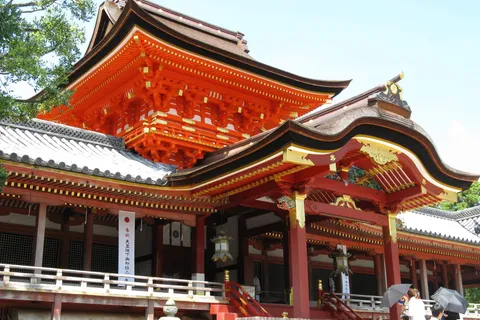
Iwashimizu Hachimangu
Iwashimizu Hachimangū
- Protection from Misfortune
- Victory in Competition
- Household Safety
Kyoto Prefecture, Kamigyo Ward, Kyoto
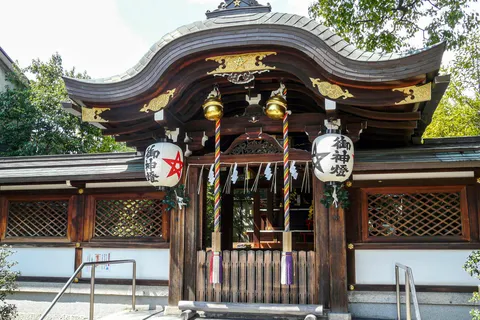
Seimei Jinja
Seimei-jinja
- Protection from Misfortune
- Good Fortune
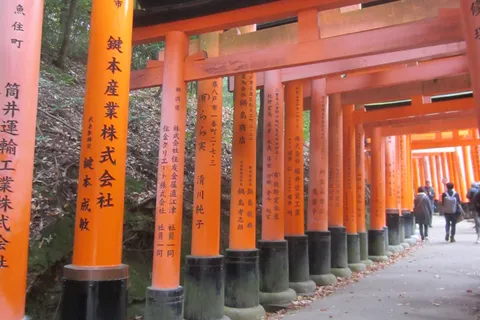
Kyoto Prefecture, Fushimi-ku, Kyoto
Fushimi Inari Taisha
Fushimi Inari Taisha
- Business Prosperity
- Bountiful Harvest
- Household Safety