History
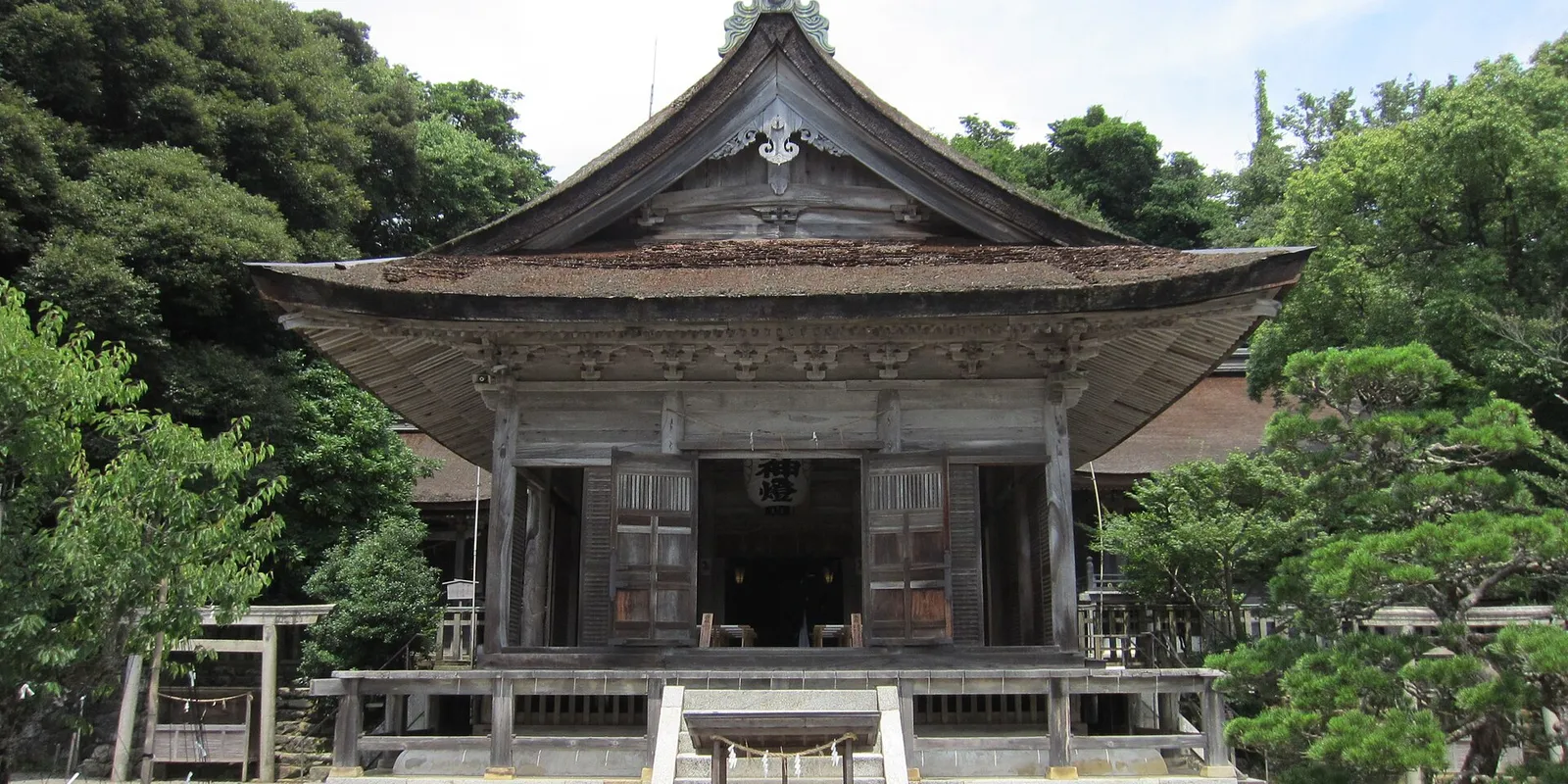
Keta Taisha stands near the sea at the base of the Noto Peninsula and has long been honored as the ichinomiya, the highest-ranked shrine, of former Noto Province. Shrine tradition dates its founding to the reign of the eighth legendary emperor, Kogen, giving it a history said to stretch back more than 2,100 years, making it one of the most venerable shrines in the Hokuriku region. Its fame was already established by the Nara period: the Man’yoshu, Japan’s oldest poetry anthology, includes a poem about the Keta deity composed by the celebrated poet Otomo no Yakamochi while serving as governor of Ecchu Province, testifying to centuries of imperial reverence.
The enshrined deity is Onamuchi no Kami, another name for Okuninushi. According to legend, after completing the mythical “nation-building” of Izumo, Okuninushi crossed to Noto, pacified the region, and taught its people fishing and farming, opening the land to settlement. Because Okuninushi is widely revered as a deity of good relationships, Keta Taisha has become one of Hokuriku’s leading power spots for matchmaking, drawing visitors — especially women — from across the region and beyond.
Highlights
The single greatest highlight of Keta Taisha is “Irazu no Mori,” the Forbidden Forest that spreads behind the main hall. This roughly one-hectare stand of old-growth forest is said to preserve the land’s original, untouched state from before the shrine itself was ever built, and access has been strictly forbidden to all but the head priest, who may enter only once a year during a major festival. Designated a National Natural Monument, the forest’s dense, ancient canopy conveys the sheer weight of over a millennium of unbroken taboo, even when viewed only from outside its boundary.
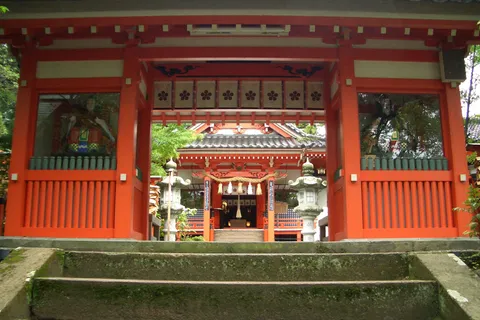
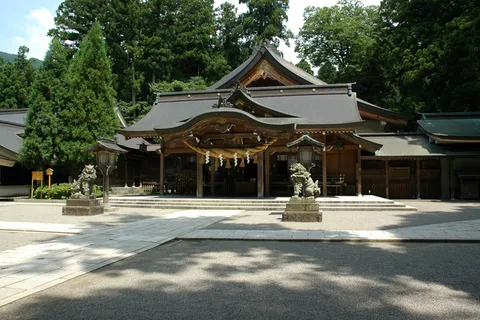
The solemn, straight-line arrangement of the Important Cultural Property-designated Zuishinmon gate, worship hall, and main hall is another highlight, reflecting the dignity befitting Noto Province’s foremost shrine. Scattered subsidiary shrines throughout the grounds invite a slow, quiet walk through the forest air.
Visiting Tips
A visit to the grounds typically takes 30–45 minutes. Irazu no Mori can only be viewed from a designated worship point outside its fence — please follow the posted signage and do not attempt to enter. Goshuin can be received at the shrine office, with reception generally ending around 4:30 PM. About 15 minutes by car from the shrine lies Chirihama Nagisa Driveway, Japan’s only beach road that can be driven by car, and many visitors combine a Keta Taisha visit with a scenic Noto coastal drive.
Annual Festivals
- Heikoku-sai “Oide Matsuri” (March 18–23): A grand procession commemorating Okuninushi’s pacification of Noto, traveling through two cities and five towns across the region over five nights and six days — celebrated as the festival that brings spring to Noto.
- Reitaisai Grand Festival (April 3): The deity returns from the Oide Matsuri procession to the main shrine for the year’s most important rite.
- U-matsuri Cormorant Festival (December 16): A distinctive ritual in which a live cormorant, carried on foot from Nanao’s Uranoura, is released before the deity; the bird’s movements are read to divine the coming year’s fortunes. Designated an Important Intangible Folk Cultural Property.
- Oharae Purification Rite (June 30 and December 31): A rite cleansing the accumulated impurities of each half of the year.
Nearby Food & Sightseeing
- Chirihama Nagisa Driveway: About 15 minutes by car from Keta Taisha, this is Japan’s only beach where you can drive a car directly on the sand, right along the waterline.
- Noto Chirihama Rest House: A beachside seafood grill at the end of Chirihama Nagisa Driveway, serving Noto oysters and other local catch with ocean views from every seat.
- Cosmo Isle Hakui: A distinctive space science museum displaying genuine spacecraft and meteorites, a uniquely Hakui attraction.
Frequently Asked Questions
- Q. What are the visiting hours?
- A. Worship is 8:30 AM–4:00 PM; the shrine office is open 8:00 AM–5:00 PM.
- Q. When is the goshuin office open?
- A. Around 8:30 AM–4:30 PM, for ¥500.
- Q. Is there parking?
- A. Yes, free parking is available (about 300 spaces).
- Q. What is the "Forbidden Forest"?
- A. A primeval forest behind the main hall that even priests may only enter once a year during the grand festival. It's a designated national natural monument, viewable from a worship point outside its boundary.
- Q. How do I get there?
- A. About a 10-minute bus ride from JR Hakui Station, getting off at the Ichinomiya stop, then about a 3-minute walk.