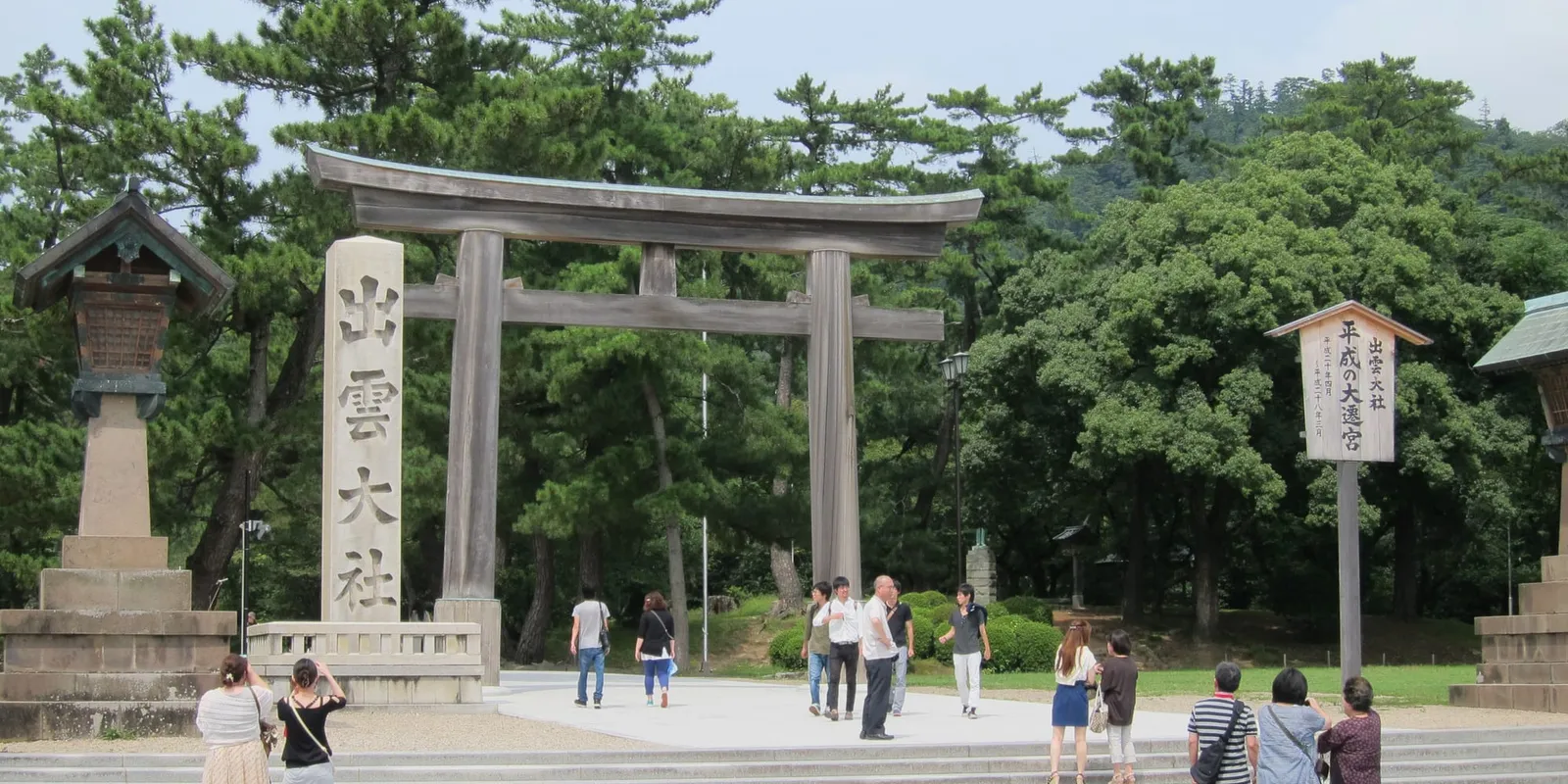
History
Izumo Taisha (Izumo Oyashiro) is one of Japan’s oldest shrines, renowned nationwide as the “God of Good Relationships.” Its enshrined deity, Okuninushi no Okami, is honored as the god who built the land of Japan, and is famous in Japanese mythology for the story of “kuniyuzuri,” in which he ceded the land he had governed to Amaterasu Omikami. In return, he came to be deeply revered as the deity who presides over the unseen world (kakurigoto) and over the invisible bonds — en — that connect people to one another and to the events of their lives. This is the origin of his renown as the “God of Good Relationships.”
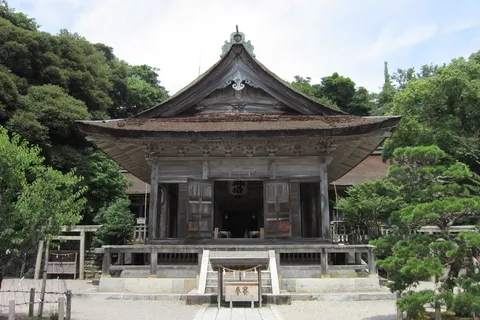
The shrine’s founding is said to trace back to the age of the gods. Its main sanctuary, built in the taisha-zukuri style — one of the oldest styles of shrine architecture in Japan — stands roughly 24 meters tall. The current building dates from 1744, when it was rebuilt, and is designated a National Treasure.
Rites at Izumo Taisha have long been overseen by the Izumo Kokuso family, said to descend from Amenohohi no Mikoto, the second son of Amaterasu Omikami. Around 1340, during the Nanboku-cho period, the Kokuso family split into two lines, the Senge and the Kitajima, which have since shared responsibility for the shrine’s rites. Today, the position of chief priest is hereditary within the Senge family.
Kamiarizuki: The Month the Gods Gather
Elsewhere in Japan, the tenth month of the old lunar calendar is called “Kannazuki,” the “month without gods.” In the Izumo region alone, however, it is called “Kamiarizuki,” the “month with the gods.” According to tradition, Japan’s myriad deities — the yaoyorozu no kami — gather at Izumo during this month to hold a divine council, kamihakari, discussing the bonds (en) between people. During this period, Izumo Taisha holds special rites, including the Kamimukae-sai, a festival welcoming the gods.
Visiting Tips
Worship at Izumo Taisha follows a distinctive form: two bows, four claps, and one bow, rather than the two bows, two claps, one bow used at most shrines. There are various explanations for the four claps, one popular theory being that it echoes the Japanese wordplay linking “four” (shi) with “happiness” (shiawase). First-time visitors may find this unfamiliar, but signboards around the grounds explain the proper etiquette, so there’s no need to worry.
Highlights
The immense shimenawa sacred ropes hanging at the Haiden (worship hall) and the Kaguraden (sacred dance hall) are among the largest in Japan, measuring about 13 meters long and weighing roughly 5.2 tons. They are the signature sight of Izumo Taisha and a favorite with visitors, with the Kaguraden’s rope in particular a popular photo spot. On the western edge of the grounds, Inasa-no-Hama Beach is said to be where the gods from across Japan come ashore during Kamiarizuki, and many visitors combine a stop here with their visit to the shrine.
Annual Festivals
- Taisairei / Reisai (May 14–16) — Izumo Taisha’s most prestigious festival, at which an imperial messenger attends the Reisai on the first day. Because it was formerly held in the third lunar month, it has also long been known as “Sangatsu-e.”
- Kamimukae-sai and Kamizai-sai (10th–17th of the 10th lunar month) — Rites unique to Kamiarizuki, in which the gods of Japan are welcomed at Inasa-no-Hama Beach and lodged in the Jukyusha, the shrine’s nineteen-bay hall.
- Kamizai-sai and Enmusubi Taisai (during the Kamizai-sai period) — Rites held while the gods are gathered, praying for worshippers’ good relationships.
Nearby Food & Sightseeing
Along the approach to the shrine, well-known soba restaurants serve Izumo soba specialties such as warigo-soba and kamaage-soba, making a meal after your visit part of the experience. The temple town is also lined with souvenir shops and cafés, perfect for a leisurely stroll.
- Soba-dokoro Tanakaya — A renowned restaurant about a minute’s walk from Izumo Taisha, serving Izumo soba made from coarsely ground, carefully selected domestic buckwheat flour.
- Oku-Izumo Soba-dokoro Ichifuku Shinmon-dori — A popular restaurant along Shinmon-dori street serving “ippon-biki” Oku-Izumo soba, prized for its firm texture and rich aroma.
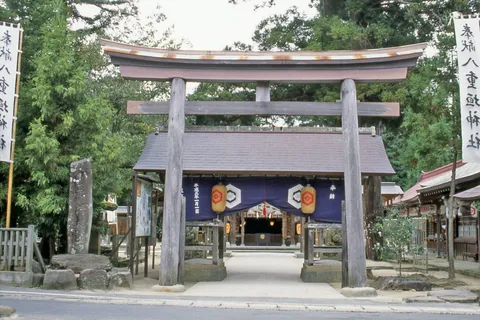
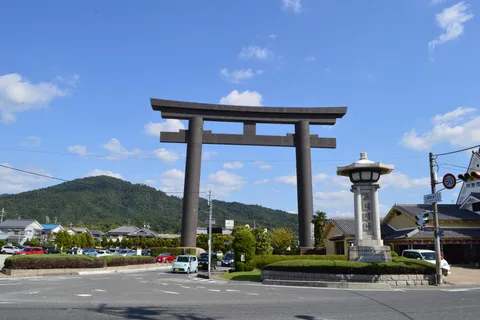
- Shinmon-dori (the roughly 700-meter approach running from the great torii gate at Uga Bridge to the main gate of Izumo Taisha) — Lined with sweet shops and souvenir stores, ideal for a bit of street food before or after your visit.
Frequently Asked Questions
- Q. Is the worship style different at Izumo Taisha?
- A. Yes. Instead of the usual "two bows, two claps, one bow," Izumo Taisha uses "two bows, four claps, one bow." Signs on the grounds explain the steps.
- Q. When can I get a goshuin?
- A. The goshuin office is open 8:30–17:00, and the fee is ¥500.
- Q. Is there parking?
- A. Yes, a large free parking lot is available.
- Q. What is Kamiarizuki?
- A. In the 10th lunar month, deities from across Japan are said to gather at Izumo — the only region that calls this month "Kamiarizuki" (the month the gods are present) rather than "Kannazuki."
- Q. How do I get there?
- A. About a 5-minute walk from Izumo-taisha-mae Station on the Ichibata Electric Railway.