History
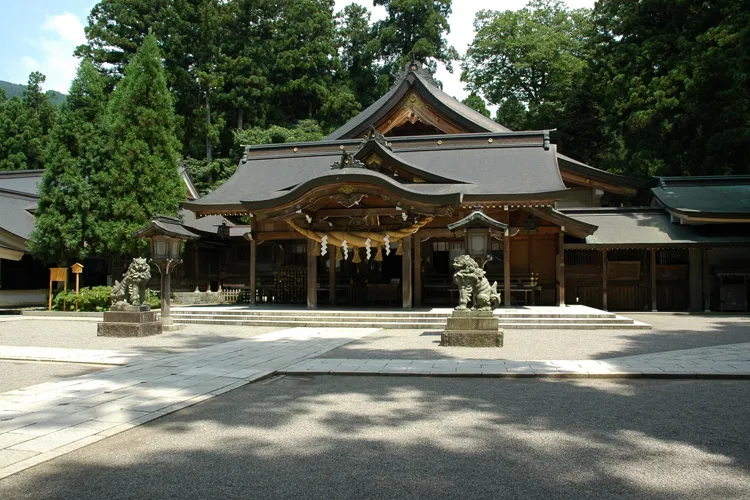
Hakusan Hime Jinja traces its origins, according to shrine tradition, to 91 BC (the seventh year of Emperor Sujin’s reign), when a sacred precinct was first established atop Mt. Funaoka, a peak just north of the shrine’s present location. Around 297 AD (Emperor Ojin’s 28th year), the shrine moved down to the banks of the Tedori River, though repeated flooding destroyed its buildings more than once. In 716, by imperial decree, it relocated again to “Akudo no Mori,” a forest on higher ground. Finally, after a devastating fire in 1480 destroyed more than 40 halls and pagodas on the site, the shrine moved to its present location in the Sannomiya district, where a subsidiary shrine already stood.
The shrine’s principal deity is Shirayama-hime no Okami, identified with Kukurihime no Kami, worshipped alongside the married pair Izanagi no Mikoto and Izanami no Mikoto. As the head shrine of roughly 3,000 Hakusan and Shirayama shrines across Japan, and as ichinomiya (first-ranked shrine) of former Kaga Province, it has long held a position of exceptional prestige in the Hokuriku region.
At the heart of the shrine’s faith is Hakusan Shinko, the ancient worship of Mt. Hakusan itself (2,702 meters), one of Japan’s “Three Sacred Mountains” alongside Mt. Fuji and Mt. Tateyama. Since the monk Taicho first climbed the mountain in 717, Hakusan has been revered across the entire Hokuriku region as a divine source of water and agricultural blessing, with an inner shrine (Okumiya) at the summit’s Gozengamine peak serving, alongside Hakusan Hime Jinja itself, as the center of this mountain faith — a tradition that parallels the Tateyama worship centered on Oyama Jinja in Toyama, another mountain enshrined as a living deity in its own right.
Highlights
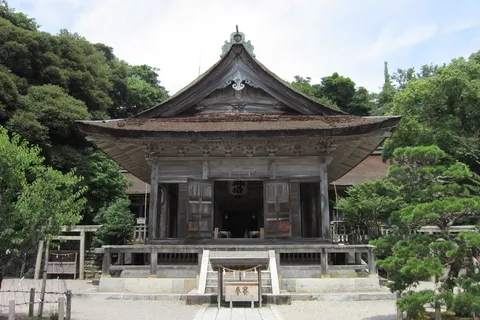
The avenue of ancient cedars lining the front approach is one of the shrine’s defining sights. Walking beneath trees hundreds of years old, visitors arrive at the outer worship hall and main hall in an atmosphere of deep solemnity, a fitting introduction to a shrine long venerated as the guardian of the entire Hokuriku region.
The grounds also include an “Okumiya Remote Worship Site,” from which visitors can pay their respects toward the inner shrine far off at the summit of Mt. Hakusan. Since the summit shrine itself is only accessible during the summer climbing season (July 1 through the end of August), most visitors direct their prayers toward Hakusan Shinko from this vantage point instead. The Treasure Hall displays swords, ancient documents, and other treasures that trace the long history of Hakusan worship.
Visiting Tips
The shrine grounds are open to visitors at all times and free of charge, but the Treasure Hall keeps limited hours (9:00–16:00, 9:30–15:30 in November) and closes entirely from December through March. Parking is available at the front, north, and south approaches, with the north approach lot — the largest, at about 300 spaces — being the most convenient for visitors arriving by car. From Tsurugi Station on the Hokuriku Railroad Ishikawa Line it’s about a 5-minute taxi ride, though walking in through the old streets of Tsurugi makes for a pleasant approach as well.
Annual Festivals
- Grand Festival (May 6): The shrine’s largest festival, featuring an offering of “umegae-mochi” rice cakes associated with Sugawara no Michizane and an elegant performance of the “Urayasu no Mai” dance by shrine maidens.
- Mountain-Opening Festival (July 1): Marks the start of Mt. Hakusan’s summer climbing season, opening access to the inner shrine at the summit through the end of August.
- Inner Shrine Grand Festival (July 18): A festival held at the summit inner shrine itself, unique to the short summer climbing season.
- New Year’s Visit (January 1–3): One of Hokuriku’s most popular hatsumode destinations, drawing large crowds over the first three days of the year.
Nearby Food & Sightseeing
- Soan: A popular handmade soba restaurant close to Hakusan Hime Jinja, set in a renovated 130-year-old farmhouse and considered one of the finest places in Ishikawa Prefecture to try authentic Hakusan-region soba.
- Tedori Gorge and Watagataki Falls: A dramatic gorge running about 8 kilometers along the Tedori River, lined with 20–30 meter cliffs; the 32-meter Watagataki waterfall is one of Hakusan City’s signature scenic spots.
- Kikuhime Sake Brewery: A long-established brewery in the old town of Tsurugi, founded in the Tensho era (late 16th century) with over 400 years of sake-making history, offering tastings and sales of its celebrated Kaga-brewed sake.
Frequently Asked Questions
- Q. What are the visiting hours?
- A. The grounds are open to visitors at all times. The Treasure Hall is open 9:00–16:00 (9:30–15:30 in November) and closed entirely from December through March.
- Q. When is the goshuin office open?
- A. 9:00–17:00, for ¥500.
- Q. Is there parking?
- A. Yes, parking is available at the front approach (about 30 spaces), north approach (about 300 spaces), and south approach (about 130 spaces).
- Q. Is Hakusan Hime Jinja the head shrine of all Hakusan shrines in Japan?
- A. Yes. It is the head shrine of roughly 3,000 Hakusan and Shirayama shrines nationwide, and holds the prestigious rank of ichinomiya of former Kaga Province.
- Q. How do I get there?
- A. About 5 minutes by taxi from Tsurugi Station on the Hokuriku Railroad Ishikawa Line, or the Kaga Hakusan bus bound for Sena to the Ichinomiya stop, then about a 5-minute walk.