History
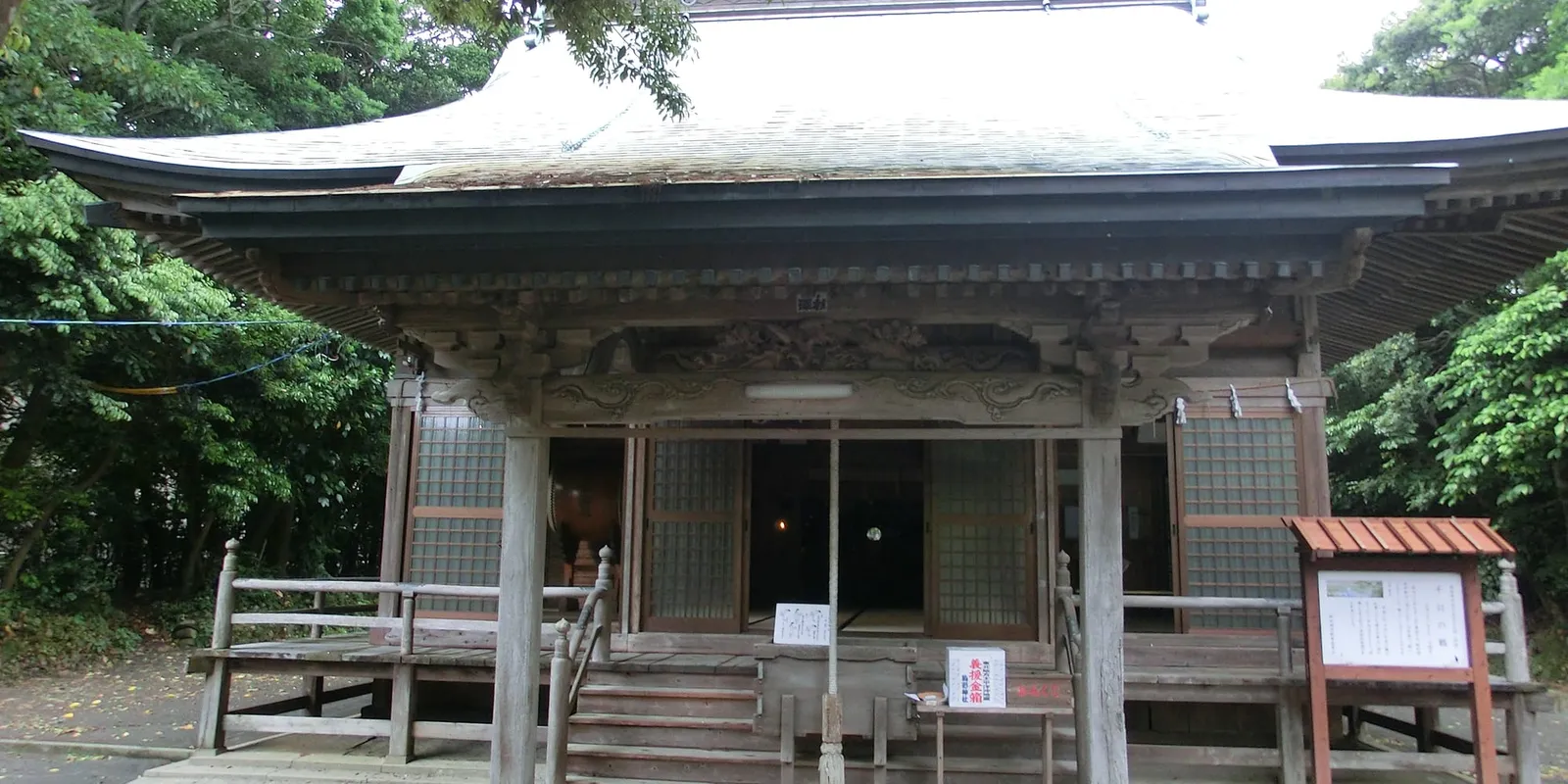
Standing near the very tip of Cape Omaezaki, Komagata Jinja enshrines the same three deities as its better-known neighbor: Amatsuhikohikohohodemi no Mikoto, Toyotamahime no Mikoto, and Tamayorihime no Mikoto. Shrine tradition dates its founding to the reign of Emperor Ankan in the early 6th century, traditionally given as 534, making it one of the oldest shrine sites in the district. This is the original ground from which the deities were later divided and relocated to form Shiraha Jinja, and Komagata Jinja is still honored today as that shrine’s “motomiya,” its founding sanctuary. Even after Shiraha Jinja moved to its present site in 837 (Jowa 4), a shrine remained here, cared for by the local community ever since.
The shrine takes its name from a local legend about ninety horses that were shipwrecked and adrift offshore in ancient times. Battered by the waves, only one horse is said to have survived to reach this shore — giving the shrine its name, Komagata, meaning roughly “the shape of a colt.” The remaining eighty-nine are said to have transformed into an offshore rock formation known as Gozen-iwa, or Komagata-iwa. Because of this legend, Komagata Jinja has long been venerated by those who make their living from the sea, and as Omaezaki grew into a fishing community, it became a spiritual anchor for prayers of safe voyages and a bountiful catch.
The present main hall, rebuilt during the Edo period after being lost to fire amid the warfare of the Sengoku era, was designated an Omaezaki City tangible cultural property in 1969 alongside the main hall of Shiraha Jinja. The grounds are smaller than those of Shiraha Jinja, but as the old shrine that keeps alive the legend of the ninety horses, it is a place best visited in quiet reflection.
Highlights
The single greatest highlight of Komagata Jinja is its main hall itself, a one-bay irimoya-zukuri structure whose carved beams and kaerumata brackets speak to the skill of Edo-period shrine carpenters — detail fine enough to have earned it, together with Shiraha Jinja’s hall, designation as a municipal cultural property. The sturdy komainu guardian statues and the torii facing out toward the sea also cut striking silhouettes against the cape’s open scenery.
Just offshore, visitors can look out toward Gozen-iwa (also called Komagata-iwa), the rock formation said to be the transformed remains of the ninety horses — a rare chance to gaze at the very setting of the shrine’s founding legend while paying one’s respects. Omaezaki Lighthouse lies about an 8-minute walk away, and many visitors pair a stop here with the sweeping Pacific views from its observation deck.
Visiting Tips
Komagata Jinja has no shrine office of its own, so goshuin are issued at the Shiraha Jinja office nearby — calling ahead is a good idea. A visit to the grounds themselves takes only about 10 minutes, but combining it with Shiraha Jinja and Omaezaki Lighthouse gives a fuller sense of how the horse legend and its worship spread across this stretch of coast. The cape can have strong sea winds, so it’s worth dressing for the wind and chill.
Annual Festivals
- Autumn Festival (a Sunday around a national holiday in October): Observed mainly by those in the fishing trade, offering thanks for a good catch and safe voyages.
- Spring Festival (third Sunday in April): A rite praying for maritime safety and a bountiful catch for the year ahead.
- Setsubun Festival (around February 3): Held to pray for good health throughout the coming year.
Nearby Food & Sightseeing
- Shiraha Jinja: The shrine that grew out of Komagata Jinja after its deities were relocated, about 5 minutes away by car. It enshrines the same three deities and today handles goshuin for both shrines.
- Ipponzuri Nikko-maru: A popular shop inside the Omaezaki Kaisen Nabura Ichiba fish market, known for bonito tataki seared over straw, caught pole-and-line by the shop’s own fishing boat.
- Hamaoka Sand Dunes: A dune landscape along the Enshu Sea coast, home to beach morning glories and other coastal plants in early summer and delicate wind-carved ripple patterns in winter.
Frequently Asked Questions
- Q. What are the visiting hours?
- A. The grounds are open to visitors at all times; there's no shrine office on site.
- Q. When is the goshuin office open?
- A. Goshuin are issued at the Shiraha Jinja shrine office (calling ahead is recommended). From ¥500 (¥1,400 for a combined goshuin).
- Q. Is there parking?
- A. Yes, a few spaces are available in front of the shrine, and the paid lot at Omaezaki Lighthouse can also be used.
- Q. What's the origin of the name?
- A. It comes from a legend of 90 horses shipwrecked offshore, of which only one made it ashore here.
- Q. How do I get there?
- A. About a 5-minute drive from Shiraha Jinja, or an 8-minute walk from Omaezaki Lighthouse.
Related Shrines
Shizuoka, Omaezaki
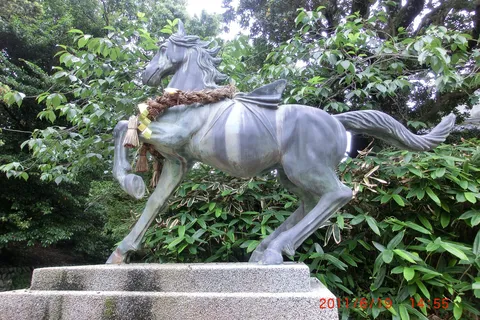
Shiraha Jinja
Shiraha-jinja
- Maritime Safety
- Good Relationships
- Bountiful Harvest
Kagawa Prefecture, Kotohira, Nakatado District
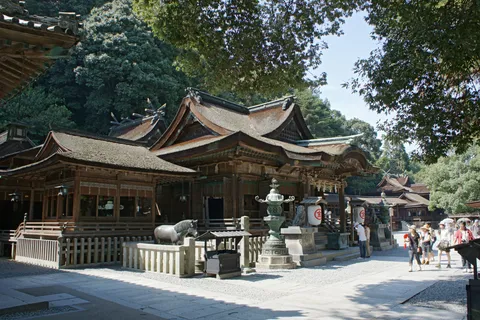
Kotohiragu
Kotohira-gū
- Maritime Safety
- Bountiful Harvest
- Business Prosperity
Yamaguchi, Nagato
Motonosumi Jinja
Motonosumi-jinja
- Business Prosperity
- Maritime Safety
- Good Relationships