History
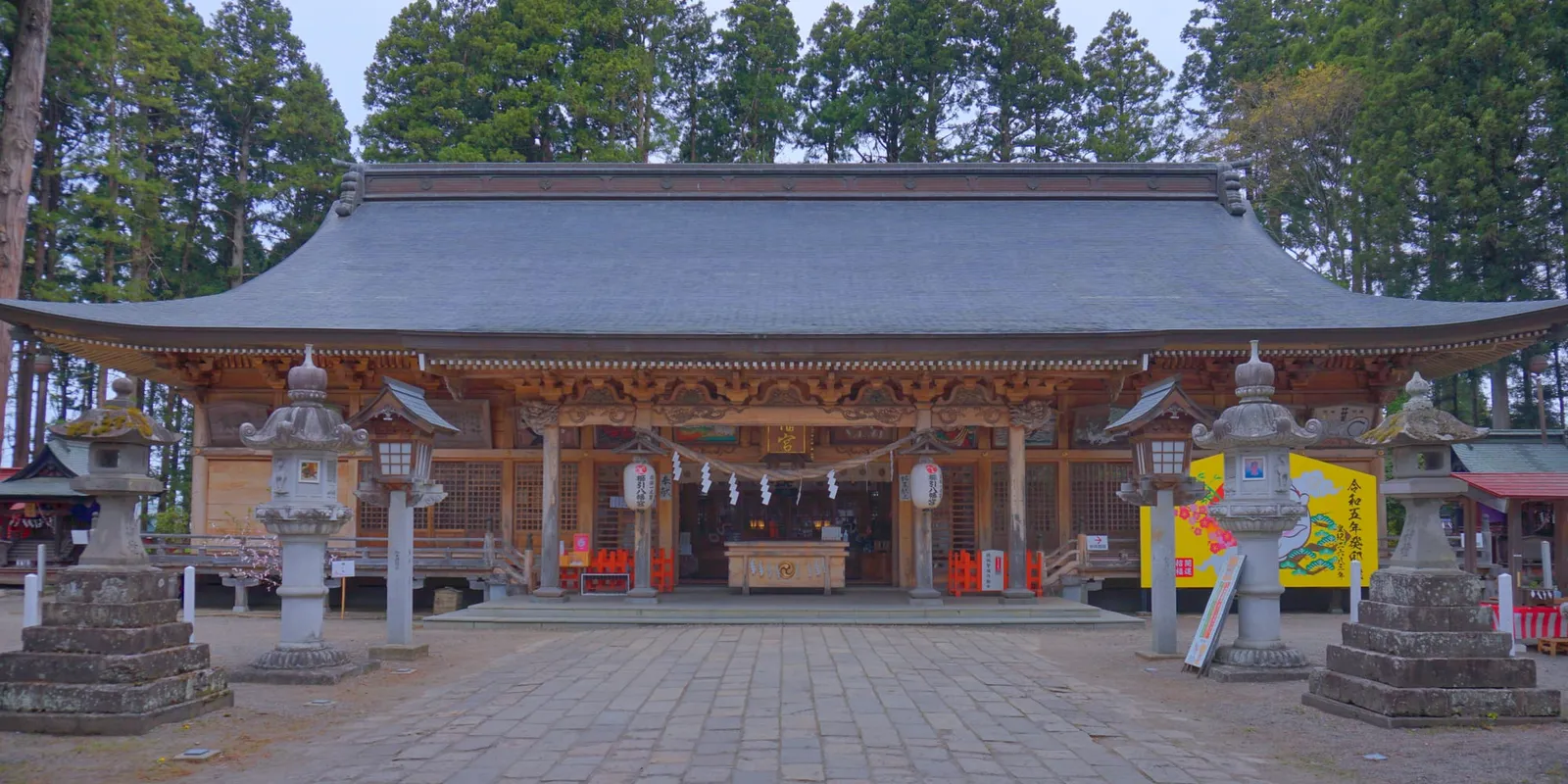
Kushihiki Hachimangu stands in the Hachiman district of Hachinohe, Aomori, in a grove of cedars that has long been called “Hachimanyama.” Its name is read “Kushihiki Hachimangu,” and the official site calls it the “Nanbu Ichinomiya” and the chief guardian shrine of the Nanbu domain. The main deity is Hachiman Okami (Homuda Wake no Mikoto), with Amaterasu Sumeo Okami and Ame no Koyane no Kami in the side shrine, and the grounds also hold sub-shrines to Okuninushi and many other deities. The official FAQ describes its blessings as effective for all kinds of industry and enterprise, and says it is known especially as a god of victory in battle and contests and of safe childbirth.
According to the official history, the shrine is said to have been founded by Nanbu Mitsuyuki, first head of the Nanbu clan. Per Nanbu family documents, Mitsuyuki won distinction in the 1189 Hiraizumi campaign, was granted Nukanobu District by Minamoto no Yoritomo, and entered it in 1191. He later sent retainers to bring the sacred object of a Hachiman shrine in Kai’s Nanbu district, and built a shrine in Kushihiki village to pray for success in war. The site also introduces a tradition that a small shrine had been enshrined here by Sakanoue no Tamuramaro in the Daido era (806–810), and that the deity was moved because it was the same god. The founding year differs by source, and some tourism guides give 1222.
The grounds also hold an architectural legend about Hidari Jingoro. According to the official folktale page, when the master carpenter mismeasured a pillar while building the hall, he threw the leftover pillar into the river, and it became the river imp (Medotsu).
Highlights
Of the buildings in the grounds, five are designated National Important Cultural Properties (April 20, 1993): the main hall, the former worship hall (Nagadokoro), the main halls of the sub-shrines Shinmei-gu and Kasuga-sha, and the south gate (called the main gate in the shrine’s own guide). According to Aomori Prefecture, they are early Edo-period buildings rebuilt under the direct administration of the Morioka domain between 1645 and 1648, and the main hall is a three-bay nagare-zukuri building. The Kasuga-sha hall is a Kasuga-zukuri building, noted as rare in the Tohoku region, and the buildings can be viewed from the outside only. The official news page carries tender notices for conservation and repair work on the main hall and four other buildings (Phase I in December 2024, Phase II in March 2026); it does not say how this affects visits.
The Treasure Hall holds two National Treasures: the red-laced armor with helmet and large sleeves (with its karabitsu chest), from the Kamakura period, and the white-laced Tsumadori armor with helmet and large sleeves, from the Nanboku-cho period. The Database of National and Designated Cultural Properties writes the former as “赤絲威鎧.” The red-laced armor is known by the nickname “Kiku Ichimonji,” and the white-laced armor is said to have been given to Nanbu Nobumitsu by Emperor Go-Murakami. The official site says the hall holds 25 items in all, including other armors that are Important Cultural Properties and prefectural treasures such as a bugaku mask. The audio guide is available in Japanese and English.
The grounds also hold the Meiji Memorial Hall, the former Hachinohe elementary school lecture hall (completed in 1881) moved here. The official site describes it as the oldest surviving Western-style building in the prefecture, used as a temporary imperial residence during Emperor Meiji’s tour of Tohoku.
Visiting Tips
According to the official FAQ, the shrine is open every day of the year. Prayer services are accepted 9:00 AM–4:30 PM, and no booking is needed except for weddings and group purification rites. The official news page says prayer fees and the fees of some amulets were revised from December 1, 2025, so check the latest amounts at the shrine office. The official site asks visitors to go around the grounds clockwise, starting from the main gate.
The Treasure Hall is open 9:00 AM–5:00 PM (last entry 4:30 PM) and closed Wednesdays and Thursdays, with Thursdays open in August. The official site’s building-guide page also says “no closing days,” so pages differ; check before you visit. Admission is ¥400 for adults, ¥300 for junior and senior high school students and ¥200 for elementary school students, and preschoolers are free. An armor and miko-costume try-on experience (¥1,000 per person, ¥1,500 per pair) is also offered through the shrine office.
The goshuin fee and hours are not stated in the text of the official site, whose amulet page lists goshuin books (blue or pink, ¥2,500 each). Amulets are not distributed online and are available at the shrine office. A large parking lot is available; please do not park on the surrounding roads.
Annual Festivals
The following are highlights from the official 2026 annual schedule (Gregorian dates).
- New Year Festival (January 1): Prayers for health and household safety through the year.
- Matsutaki-sai / Donto-sai (January 14): Burning of shrine charms, shimenawa and pine decorations kept at home.
- Yakubarai (Setsubun, February 3): Purification for life’s turning points.
- Okomori-sai (March 2): A distinctive rite held from 8:00 PM, in which participants can worship in the main hall.
- Spring Grand Festival (May 30 eve and May 31 Kinen-sai): A two-day festival praying for good harvests and the growth of industry and culture.
- Ohamairi Shinji (May 14): Hachiman Okami is carried in a portable shrine to the shrine 御前神社 (Gozen Shrine) in Konakano.
- Sports Yabusame Tournament (August 11)
- Autumn Grand Festival (September 24 eve, 25 grand festival, 26 Baba-arai): The year’s largest festival, with yabusame, an archery tournament and a boys’ sumo tournament. Yabusame is said to have been offered first by Moroyuki, fourth head of the Neshiro Nanbu family, and was revived in 1984 and is held every year at the autumn festival.
- Shichi-Go-San (November 15), Harvest Thanksgiving (November 23) and Toshikoshi Great Purification (December 31)
Dates change from year to year, so check the annual events and event calendar on the official site for the latest.
Nearby Food & Sightseeing
- Neshiro Historic Site (Shiseki Neshiro no Hiroba): A historic site restoring the Neshiro castle built by Nanbu Moroyuki in the Nanboku-cho period (per tourism information). The shrine’s folktale says Moroyuki revived the shrine’s festivals and offered yabusame, so visiting both makes the Nanbu story easier to follow. Check hours and fees before you go.
- Yawata-uma (Yawata horse): A carved wooden folk toy counted among Japan’s three famous koma (wooden horses). According to Aomori Prefecture, it began as a copy of the horses offered to Kushihiki Hachimangu and was sold to worshippers at the grand festival, which gave it its name. The shrine’s amulets also include a “Umaku-iku Mamori” that is billed as from the birthplace of the Yawata horse.
Frequently Asked Questions
- Q. What are the visiting hours and the Treasure Hall admission?
- A. The official FAQ says the shrine is open every day of the year. Prayer services are accepted 9:00 AM–4:30 PM (the FAQ page also mentions starting around 8:30 AM, so times differ by page). The Treasure Hall is open 9:00 AM–5:00 PM (last entry 4:30 PM) and closed on Wednesdays and Thursdays (open Thursdays in August). Admission is ¥400 for adults, ¥300 for junior and senior high school students and ¥200 for elementary school students; preschoolers are free.
- Q. Can I get a goshuin at Kushihiki Hachimangu?
- A. The official amulet page lists goshuin books (blue or pink, ¥2,500 each), and a news item refers to a goshuin list. However, the goshuin fee and hours are not stated in the text of the official site. The shrine office is listed as 9:00 AM–5:00 PM, so aim to arrive by about 4:30 PM and confirm by phone (0178-27-3053) if you can.
- Q. How do I get there, and is there parking?
- A. It is about 10 minutes by car from JR Hachinohe Station (per a tourism site), and the nearest bus stop is Nanbu Bus "Kushihiki Hachimangu-mae." The official site says there is a large parking lot that can take large buses. The number of spaces and fees are not given, and visitors are asked not to park or leave bicycles on surrounding roads.
- Q. What are the National Treasure armors?
- A. The Treasure Hall keeps two National Treasures: the red-laced armor with helmet and large sleeves (Akaito-odoshi yoroi, Kamakura period, with its karabitsu chest) and the white-laced Tsumadori armor with helmet and large sleeves (Shiraito-odoshi Tsumadori yoroi, Nanboku-cho period). Both were designated on November 14, 1953. The red-laced armor is popularly called the "Kiku Ichimonji" armor for the chrysanthemum fittings on its sleeves and helmet (per Aomori Prefecture and the shrine's official site). The official site says the hall holds 25 cultural properties in total.
- Q. When can I see yabusame (horseback archery)?
- A. According to the official site, yabusame is a votive rite held at the autumn grand festival, said to have been started by Moroyuki, fourth head of the Neshiro Nanbu family. In the official 2026 annual schedule, the autumn festival ran for three days, September 24 (eve) to 26 (Baba-arai). The schedule does not give the yabusame date separately, so check with the shrine office (0178-27-3053) or the official news page for each year's dates.
Plan Your Visit
Before you go, you can book a stay and get your shrine-visit items ready.
Amazon links open Amazon.co.jp (Japan) in English; whether an item ships overseas depends on the product.
※ Contains ads (PR). Links open external sites such as Amazon, Rakuten, Trip.com and Booking.com.