History
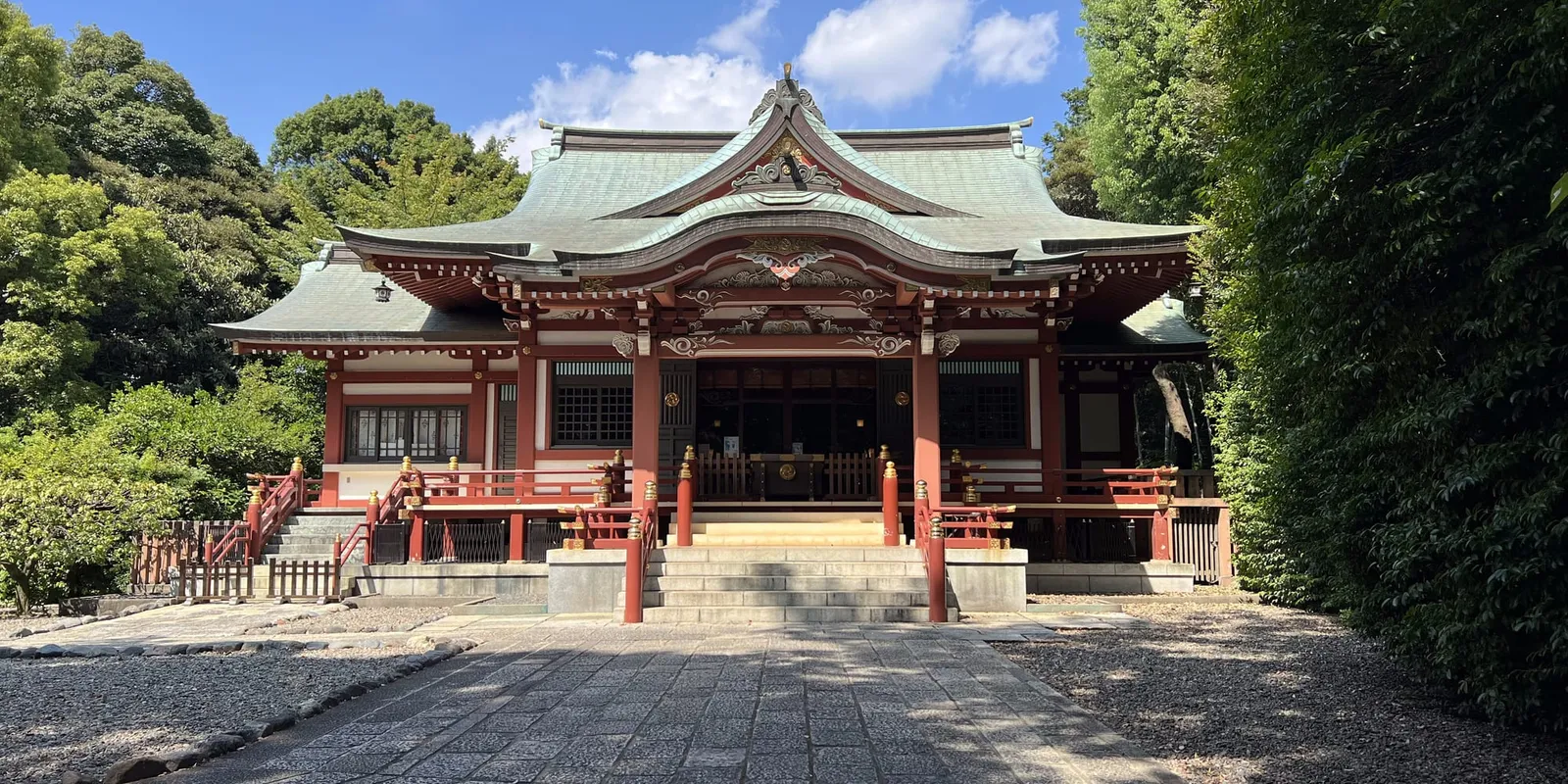
Musashino Hachimangu stands on Itsukaichi-kaido in Kichijoji-Higashicho, north of JR Kichijoji Station in Musashino, Tokyo. Its name is read “Musashino Hachimangu,” and it is the beloved tutelary shrine of Kichijoji. According to the Tokyo Shrine Agency listing, the enshrined deities are Homutawake no Mikoto, Hime Okami and Otarashihime no Mikoto. Homutawake is commonly identified as Emperor Ojin and Otarashihime as Empress Jingu.
According to the Agency’s history, in 789 (Enryaku 8), in the reign of Emperor Kanmu, Sakanoue no Tamuramaro is said to have enshrined a branch spirit of Usa Hachiman. Later, in the time of the fourth shogun Ietsuna, after a fire destroyed the Kichijoji temple near Suidobashi in Edo, nearby townspeople were ordered to resettle, and Kichijoji Village was founded in the early Kanbun era. The shrine has been revered as the villagers’ tutelary shrine ever since. The name “Kichijoji” for the area is said to come from this resettlement. The founding date and circumstances come from the shrine’s tradition and are not established historical fact.
The parishioner districts are given as Kichijoji-Higashicho, Honcho, Minamicho and Kitacho, plus Nakacho and Gotenyama (according to an interview article with the priest).
Highlights
The grounds are not large, but they are wrapped in a calm grove that feels far from the town around it. The approach has a stone torii gate and a pair of guardian dogs, reported to date from around 1813 (Bunka 10) (according to an interview article with the priest).
Among its treasures is the “Warabitetō of Musashino Hachimangu,” a Musashino City designated tangible cultural property (designated March 23, 1981, per the city’s list of cultural properties). A warabitetō is an ancient sword whose hilt ends in a curl like a young bracken fern, and this one is described as having been unearthed in the grounds. In a 2015 city exhibition, the original was announced as being shown “this time only.”
The grounds also hold a signpost dated 1785 (Tenmei 5), inscribed “Kanda Okamizu Inokashira Benzaiten,” which points the way to Inokashira Benzaiten. Other features reported include subsidiary shrines (Izumo, Mishima, Itsukushima, Inari, Hōsō and Ōtori among them; guides count either six or seven), a portable-shrine house where you can see the mikoshi through glass, and early-blooming Kawazu cherry trees.
Visiting Tips
No official website was found, and the Tokyo Shrine Agency listing gives no visiting hours. Goshuin and amulets are said to be handed out at the shrine office from 10:00 AM to 5:00 PM. The office is sometimes unattended, in which case you press the intercom beside the entrance.
The goshuin costs ¥300 and is normally hand-written in ink, or given as a pre-written sheet when the calligrapher is absent (according to an interview article with the priest and a visitor’s account). Prayer services and Shichi-Go-San blessings are reportedly booked by phone (0422-22-5327), with Shichi-Go-San blessings available for about a month before and after November 15.
It is about a 10-minute walk from Kichijoji Station (per the Agency), though guides give 7 to 10 minutes. No dedicated parking is reported, so going by train is convenient. The New Year’s visit is crowded from New Year’s Eve through the first three days, and the priest recommends going during January or at least before Setsubun.
Annual Festivals
- Annual festival (September 15): The festival date given in the Tokyo Shrine Agency listing.
- Kichijoji Autumn Festival (September): A town festival held to coincide with the annual festival, with the shrine’s portable shrine and neighborhood mikoshi taking part (according to local information). Dates vary by year.
- New Year’s rite (January), Setsubun festival (February), Kinensai (May), Niiname-sai (November): Introduced as the main annual rites (according to an interview article with the priest; no dates given).
- Tori no Ichi (Tori days in November): The Ōtori shrine in the grounds means a Tori no Ichi fair is held. The number of days varies from year to year, from the first to the third Tori day.
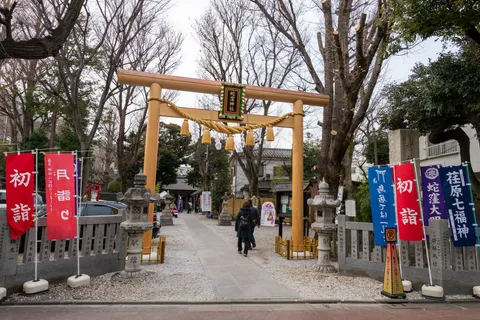
- Musashino Kichijoji Seven Lucky Gods pilgrimage (New Year’s Day to about January 7): The shrine is introduced as the Daikokuten stop among six temples and shrines in Musashino and Mitaka. Check the organizer’s notice for details such as the fee.
Dates and details change from year to year, so please call the shrine for the latest information.
Nearby Food & Sightseeing
- Anyo-ji Temple: A temple right next door to Musashino Hachimangu, introduced as the stop for Hotei in the Musashino Kichijoji Seven Lucky Gods pilgrimage (according to introductions to the pilgrimage). It is presented as the next stop after the shrine.
- Kichijoji Sun Road Shopping Street: The shopping street described as the route from Kichijoji Station’s north exit to the shrine. A fine stroll on the way there and back.
- Inokashira Benzaiten (Inokashira Park): The destination the 1785 signpost in the grounds points to, and introduced as the final stop on the Seven Lucky Gods pilgrimage route.
Frequently Asked Questions
- Q. What are the visiting hours?
- A. No official website was found, and the Tokyo Shrine Agency listing gives no visiting hours. Amulets and goshuin are said to be handed out 10:00 AM–5:00 PM (according to an article based on an interview with the priest). Prayer services and Shichi-Go-San blessings are reportedly booked by phone (0422-22-5327), so it is safest to check with the shrine office before you go.
- Q. Can I get a goshuin at Musashino Hachimangu?
- A. Yes. The fee is reported as ¥300 and the hours as 10:00 AM–5:00 PM (according to an interview article with the priest and a visitor's account). Goshuin are normally hand-written in ink, and a pre-written sheet is given when the calligrapher is absent. With no official website, call the shrine (0422-22-5327) for the latest information.
- Q. How do I get there, and is there parking?
- A. It is about a 10-minute walk from Kichijoji Station (JR Chuo Line, Keio Inokashira Line and others), per the Tokyo Shrine Agency listing. One guide says to leave the north exit, walk through the Kichijoji Sun Road shopping street, come out on Itsukaichi-kaido, and head toward Seikei University. No dedicated parking is reported, so going by train is convenient.
- Q. What is the warabitetō, and can I see it?
- A. Musashino City's list of designated cultural properties includes the "Warabitetō of Musashino Hachimangu" as a city-designated tangible cultural property (designated March 23, 1981). A warabitetō is an ancient sword whose hilt ends in a curl like a young bracken fern. A 2015 city exhibition announcement said the original would be shown "this time only," so it does not appear to be on permanent display. Check with the shrine or the city before you go.
- Q. When is the annual festival?
- A. The Tokyo Shrine Agency lists the main festival (reisai) on September 15. In September the Kichijoji Autumn Festival is held to coincide with it, and the shrine's portable shrine is said to parade through town (according to local information). Dates vary by year, so check before your visit.
Plan Your Visit
Before you go, you can book a stay and get your shrine-visit items ready.
Amazon links open Amazon.co.jp (Japan) in English; whether an item ships overseas depends on the product.
※ Contains ads (PR). Links open external sites such as Amazon, Rakuten, Trip.com and Booking.com.