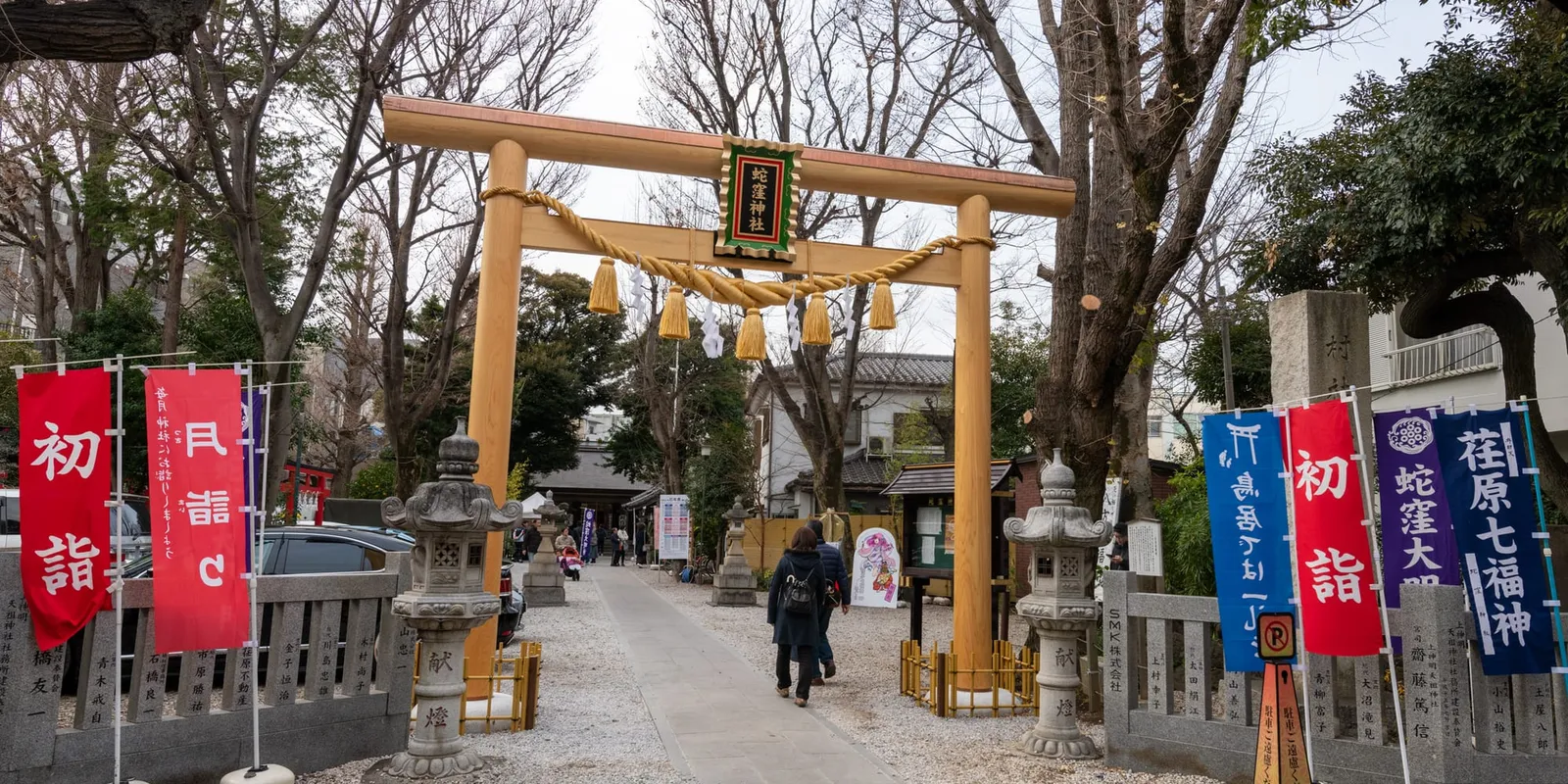
History
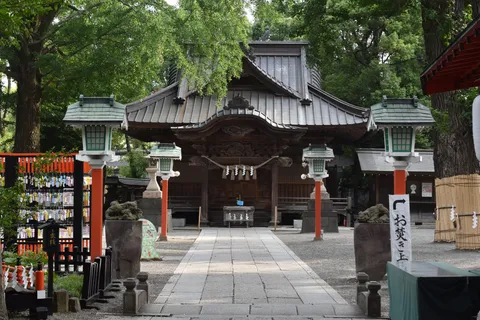
Hebikubo Jinja was founded, according to tradition, in Genko 2 (1322), in the late Kamakura period, on land once known as “Hebikubo” (snake hollow). The area was gripped by a severe drought at the time, and when local villagers prayed for rain at a shrine dedicated to a dragon deity, heavy rains soon followed. In gratitude, they built a shrine on the spot — the origin of Hebikubo Jinja today. The shrine’s principal deity is Amaterasu Omikami, enshrined together with Amenokoyane no Mikoto and Emperor Ojin, and the deities of the shrine and its sub-shrines are collectively known as “Hebikubo Daimyojin.” The shrine was formally known as Tenso Jinja (Kamishinmei Tenso Jinja) for most of its history, and only adopted “Hebikubo Jinja,” after the old place name, as its official name in 2019.
The grounds also preserve an old legend about a white snake. A white snake was said to have lived in a spring near the shrine; after the spring dried up, the snake reportedly appeared in a local resident’s dream, pleading to return to its original home. In response, a Benzaiten shrine with a sacred pond was built to welcome it back. The white snake is regarded as the messenger, or even the living form, of Ichikishimahime no Mikoto — a goddess of the arts, learning, and wealth who is identified with Benzaiten — and is venerated as a bringer of fortune. Enshrining a white snake deity together with a dragon deity is unusual among Japan’s shrines: Hebikubo Jinja is counted, alongside sites in Iwakuni (Yamaguchi Prefecture) and Oigami Onsen (Gunma Prefecture), as one of Japan’s “Three Great White Snake Sacred Sites,” and it is the only one of the three located in Tokyo, making it the city’s foremost shrine for white snake worship.
Highlights
The shrine’s centerpiece is the pair of white snake statues, affectionately known as “Nade-Hakuja” (the White Snakes You Can Pet), enshrined at the White Snake Benzaiten Shrine within the grounds. Visitors line up to stroke the snakes, shown holding a sacred jewel, and the shrine surrounding them is lined with rows of small white snake figurines left as offerings by past worshippers. Nearby stands the Hebikubo Dragon Shrine, decorated with a striking sculpture of seven white snakes ascending together to transform into a white dragon — a vivid expression of the shrine’s unique dual worship of the white snake and the dragon deity.
The shrine’s best-known ritual for financial fortune is the coin-washing ceremony at the “White Snake’s Clear Water.” Worshippers turn a golden bowl holding a “white snake seed coin” three times, then rinse their own coins and bills in the sacred water to pray for increased wealth. Every 60 days, on the “Tsuchinoto-mi” day (a special Day of the Snake in the traditional calendar), the doors of the White Snake Benzaiten Shrine are opened for a special prayer occasion that draws visitors from across the city.
Visiting Tips
The grounds are compact, but allow 30–45 minutes if you want to properly visit the White Snake Benzaiten Shrine, perform the coin-washing ritual, and greet the white snake statues. The shrine office is open 9:00–17:00, and goshuin stamps are available during those hours. Note that on Snake Days, which come around every 12 days, and especially on the rarer Tsuchinoto-mi Days every 60 days, long lines form for limited-edition goshuin, amulets, and fortune slips — plan for extra time if visiting then. Queuing on the grounds or public streets late at night or early in the morning is prohibited out of consideration for neighbors, so plan your visit accordingly.
Annual Festivals
- Monthly Snake Day and Tsuchinoto-mi Day prayers: Special prayers to the white snake deity are offered on every Snake Day (every 12 days) and the rarer Tsuchinoto-mi Day (every 60 days), when limited goshuin and amulets draw New Year’s-level crowds.
- Hatsumi Festival (first Snake Day of the New Year): A festival held on the year’s first Snake Day, praying to the white snake deity for financial fortune and good luck in the year ahead.
- White Snake Benzaiten Shrine Festival (April 12): The annual festival of the shrine’s Benzaiten sub-shrine, with rites for success in the arts and increased wealth.
- Grand Festival (weekend in mid-September): The shrine’s largest festival, featuring a portable shrine procession and food stalls, drawing large crowds of parishioners and worshippers.
- Year-End Purification Ceremony (December 30): A closing rite that cleanses the past year’s impurities in preparation for the new year.
Nearby Food & Sightseeing
- Togoshi Park: A landscaped strolling garden said to preserve the remnant of the pond where the white snake once lived, offering greenery and water views close to the shrine.
- Togoshi Ginza Shopping Street: One of Tokyo’s longest traditional shopping streets, lined with deli shops and sweet stalls perfect for snacking before or after your visit.
- Toyokawa Inari Tokyo Betsuin: A Tokyo branch temple of the famous Toyokawa Inari, beloved for blessings of business prosperity and often combined with a visit to Hebikubo Jinja for a full circuit of financial-luck spots.
Frequently Asked Questions
- Q. What are the visiting hours?
- A. The grounds are open to visitors at all times; the shrine office is open 9:00–17:00.
- Q. When is the goshuin office open?
- A. 9:00–17:00, from ¥300 (limited goshuin on Snake Days and Tsuchinoto-mi Days cost ¥500–1,500).
- Q. Is there parking?
- A. No on-site visitor parking — use nearby paid parking lots.
- Q. What is "Tsuchinoto-mi Day"?
- A. A special prayer day that comes around once every 60 days, when the Hakuja Benzaiten shrine's doors are opened, drawing visitors from far away.
- Q. How do I get there?
- A. About a 5–6 minute walk from Nakanobu Station.