History
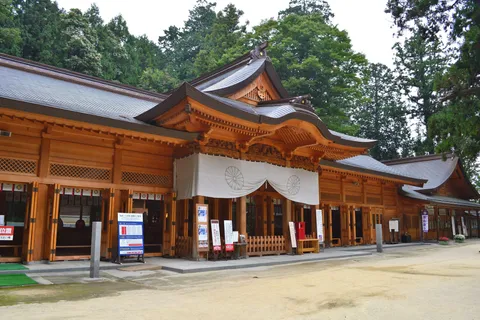
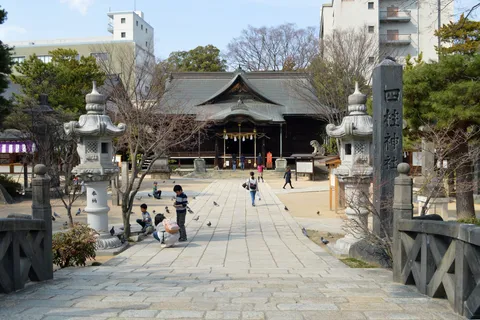
Nishina Shinmeigu stands in Yashiromiya, Omachi, Nagano Prefecture, and is read “Nishina Shinmeigu.” According to the shrine’s official site, the enshrined deity is Amaterasu Omikami, and the shrine calls itself “the National Treasure Nishina Shinmeigu” and “the oldest shinmei-zukuri in Japan.” The date of founding is not clear, but it is thought to go back to the Heian period.
According to the official history, the shrine was enshrined on the Nishina Mikuriya, which was once an estate of the Kotaijingu (Ise Grand Shrine). A record in the Jingu Zassho dated to the 3rd year of Kenkyu (1192) lists the Nishina Mikuriya among the mikuriya of Shinano Province, and only the Nishina Mikuriya carries the note “founded in ancient times,” which the shrine takes to show it is the oldest in Shinano. The old local clan, the Nishina, are said to have served the shrine for 400 years. After the clan fell in the 10th year of Tensho (1582), the Matsumoto domain lord Ogasawara Sadayoshi donated 15 koku of land under a red-seal grant, and the shrine thereafter served as a prayer site for successive Matsumoto lords, with the grant changed to 23 koku under a black-seal grant from the 14th year of Kan’ei (1637). It also held fields, forests and even the surface of Lake Aoki, and is said to have entered the Meiji Restoration with the largest shrine lands in the Matsumoto domain. All of this is the shrine’s own account of its history.
“Oldest shinmei-zukuri in Japan” is the claim of the shrine’s official site and similar introductions, and is not presented here as an officially certified fact.
Highlights
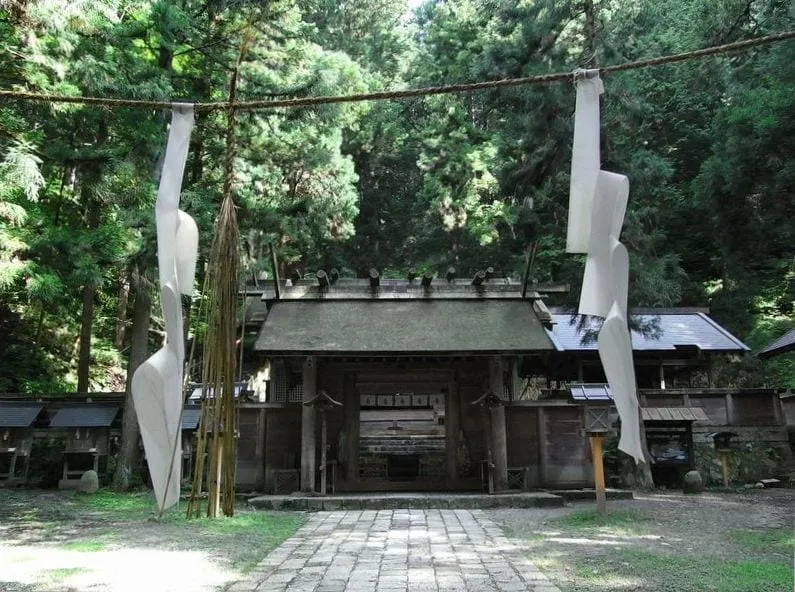
The heart of the grounds is the National Treasure shrine complex. According to the official site, the main hall is a shinmei-zukuri building of three bays by two with a cypress-bark roof, the middle gate (mikadoya) is a four-legged gabled gate with a cypress-bark roof, and the tsuriya connects them; all are said to have been built in 1636 (Kan’ei 13). The site introduces it as the only National Treasure in shinmei-zukuri architecture in Japan.
Other properties include the national Important Cultural Properties “Mitai” (kakebotoke, hanging Buddhist images; 5 of 16 are designated) and the wooden ridge tablets (munafuda). The tablets date from the periodic rebuildings every 20 years; according to the official site, the oldest dates to 1376 (Eiwa 2, Nanbokucho period), and 33 tablets spanning 620 years survive, of which 27 are designated. The “Koshiki Tsukurihajime no Shinji” (a ritual of ancient-style rice-planting; Nagano Prefecture Intangible Folk Cultural Property, designated 1990) and the “Daidai Kagura” (Nagano Prefecture Intangible Cultural Property, designated 1969) are also kept. The kagura is said to have been handed down since the Nishina era, with seven pieces: Sword Dance, Iwato Kagura, Gogyo Dance, Mizutsugi, Nusa Dance, Ryujin Kagura and Dosojin.
The shrine grove is a Nagano Prefecture Natural Monument (designated area about 19,258 square meters), with cedar and cypress as the main trees and large specimens of red pine, chestnut, konara oak, hemlock and fir, according to the official site. The “Sanbonsugi” (three cedars) just inside the entrance on the left is famous; two remain, with trunk girths of 5.70 m and 5.45 m and heights above 50 m. The Omachi Tourism Association also introduces the “History Exhibition Hall” of the National Treasure Nishina Shinmeigu, described as an exhibit summarizing the shrine and its ties to the Nishina clan.
Visiting Tips
According to the Omachi Tourism Association, visiting is free and open, and the shrine office is open about 9:00 AM–4:00 PM. Treasure hall admission is listed at ¥300. In winter, opening days are limited: the official site lists January 13 to March 13 in 2026 as weekends and national holidays only (the tourism association lists January 14 to March 13 as closed, so the sources differ). If you visit in winter, please check with the shrine office (0261-62-9168).
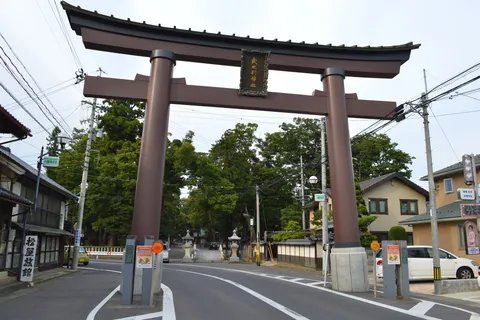
The official site’s visitor guide suggests bowing in front of the torii, purifying at the temizuya, and praying at the shrine with two bows, two claps and one bow. Entering the hall to pray or requesting a special prayer requires applying to the shrine again. The site lists prayers such as pregnancy-sash blessings, first shrine visits, Shichi-Go-San, academic success and protection from bad-luck years.
Goshuin are not mentioned on the official site or the tourism association page, so whether they are offered and the fee could not be confirmed. The official site also gives no directions; third-party sites list about 28 minutes on foot from Azumi-Kutsukake Station (JR Oito Line) or about 10 minutes by car from JR Shinano-Omachi Station. One third-party listing gives 35 parking spaces, but as this is not the shrine’s own guidance, please check beforehand.
Annual Festivals
Main rites listed under “Annual Rites” on the shrine’s official site:
- New Year’s rite (Jan 1) and traffic-safety prayer ceremonies (Jan 2-3): The New Year’s rite is held on New Year’s Day, with traffic-safety prayer ceremonies from 9:00 AM to 3:00 PM on the 2nd and 3rd.
- Spring Prayer Festival and Koshiki Tsukurihajime no Shinji (March 15): An eve festival is held on the 14th. Modeled on the Spring Prayer Festival at the Ise Grand Shrine, it reenacts rice farming from the first hoeing to making the seedbed, sowing and scaring birds, within a roughly one-tsubo area in the kagura hall.
- Summer Purification (June 30): Held at 4:00 PM.
- Annual festival (third Monday of September): An eve festival is held the day before, and Daidai Kagura is offered from 1:00 PM on the day.
- Harvest Thanksgiving Festival (Niiname-sai, November 23): An eve festival is held on the 22nd, giving thanks for the harvest.
- Great Purification (December 31): Held at 4:00 PM.
- Shikinen Sengu: Every 20 years. The last was in Reiwa 1 (2019), and the next is scheduled for November of Reiwa 21 (2039).
Festival times can change from year to year, so check “Annual Rites” and the news on the official site for the latest.
Nearby Food & Sightseeing
- Lake Aoki: One of the “Nishina Three Lakes” introduced by the Omachi Tourism Association, and said to be the largest of the three. According to the shrine’s official site, Nishina Shinmeigu once held the surface of Lake Aoki as shrine land.
- Lake Kizaki: The southernmost of the Nishina Three Lakes; according to the tourism association, smelt fishing and water activities are popular.
- Lake Nakatsuna: Together with Lake Aoki and Lake Kizaki, one of the Nishina Three Lakes. A reference point for a tour around the three lakes.
Frequently Asked Questions
- Q. What are the visiting hours, and can I visit in winter?
- A. According to the Omachi Tourism Association, visiting is free and open, and the shrine office is open about 9:00 AM–4:00 PM. In winter, opening days are limited: the official site lists January 13 to March 13 in 2026 as weekends and national holidays only. The tourism association, however, lists the shrine office and treasure hall as closed from January 14 to March 13, so the sources differ. If you plan a winter visit, please check with the shrine office (0261-62-9168).
- Q. Can I get a goshuin at Nishina Shinmeigu?
- A. Neither the shrine's official site nor the Omachi Tourism Association page mentions goshuin, so whether they are offered, the fee, and the hours could not be confirmed. Please ask the shrine office (0261-62-9168). The office is open about 9:00 AM–4:00 PM (with limited opening days in winter).
- Q. How do I get there, and is there parking?
- A. The official site does not give directions. According to third-party sites, it is about a 28-minute walk from Azumi-Kutsukake Station on the JR Oito Line, about 10 minutes by car from JR Shinano-Omachi Station, and about 40 minutes by car from Azumino IC on the Nagano Expressway via Route 147. NAVITIME lists 35 parking spaces with large buses allowed, but this is not the shrine's own information, so it is safest to check beforehand.
- Q. What is designated a National Treasure here?
- A. According to the shrine's official site, the main hall (honden), the middle gate (chumon) and the connecting corridor (tsuriya) are National Treasures. The main hall is a three-by-two-bay shinmei-zukuri building with a cypress-bark roof, the middle gate is a four-legged gate, and the site says all were built in 1636 (Kan'ei 13). It describes the complex as the only National Treasure in shinmei-zukuri architecture in Japan, and the shrine calls itself home to "Japan's oldest shinmei-zukuri."
- Q. When is the next Shikinen Sengu (periodic rebuilding)?
- A. According to the official site, the shrine has followed the example of Ise in holding a periodic rebuilding every 20 years, and the most recent main ceremony was in Reiwa 1 (2019). The next is scheduled for November of Reiwa 21 (2039).
Plan Your Visit
Before you go, you can book a stay and get your shrine-visit items ready.
Amazon links open Amazon.co.jp (Japan) in English; whether an item ships overseas depends on the product.
※ Contains ads (PR). Links open external sites such as Amazon, Rakuten, Trip.com and Booking.com.