History
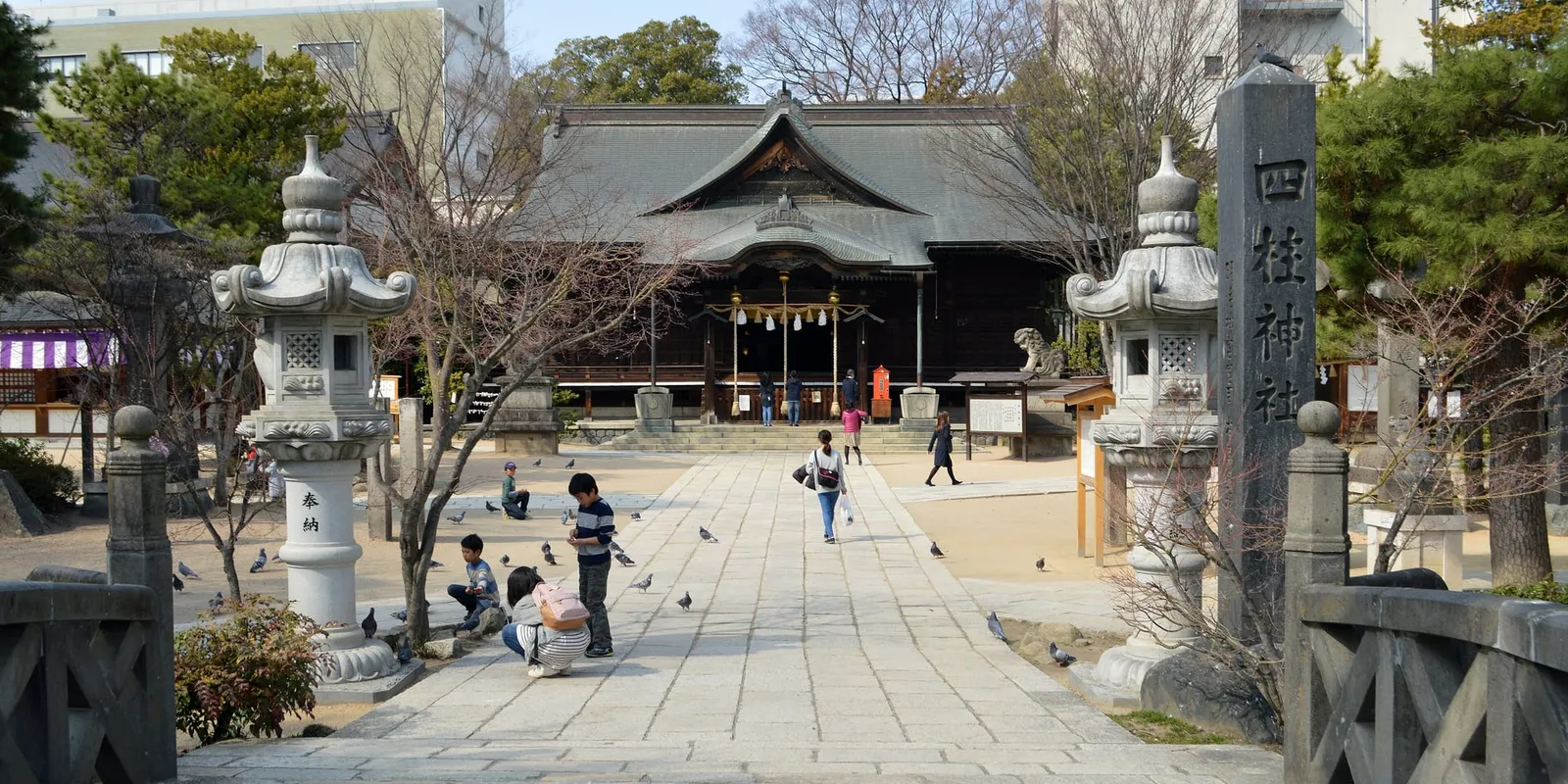
Yohashira Shrine stands in Ote, Matsumoto, Nagano Prefecture. Its name is read “Yohashira-jinja” (the official site uses the romanization “Yohasira Jinja”; the hiragana reading here follows Japanese Wikipedia and a Nagano Prefecture tourism site). The official site calls it the shrine of the “god who ties together wishes” and names four great deities as the enshrined kami: Ame-no-Minakanushi-no-Kami, Takamimusubi-no-Kami, Kamimusubi-no-Kami and Amaterasu Omikami.
According to the official history, in February of Meiji 7 (1874) a Shinto teaching institute (Shinto Chukyoin; on the former site of 長松院 in 宮村町, later a Shinto branch office) was set up in Matsumoto, then the seat of the Chikuma prefectural government, and the four deities were enshrined there. A new shrine was founded as Yohashira Shrine and solemnly enshrined at its present site on October 1, 1879 (Meiji 12), with a new Shinto branch office built beside it. The shrine says the cost was met by donations and the efforts of Shinto priests across the Chu-Nanshin area (the former Chikuma Prefecture), the prefectural office and private benefactors.
In June of the following year, the region received its first imperial visit, and the newly built Shinto branch office was designated as the emperor’s temporary residence; Emperor Meiji was welcomed to Matsumoto on June 24. The official site says the buildings were burned in the great Matsumoto fire of January 4, Meiji 21, after which the shrine was kept in a temporary hall until the present hall was rebuilt in Taisho 13. The shrine is widely known by the nickname “Shinto-san,” and its annual festival is called the Shinto-sai, a grand autumn festival that represents the Matsumoto plain.
The official site describes the deities as follows: Ame-no-Minakanushi is the lord of the center of heaven, Takamimusubi and Kamimusubi are the root deities of cosmic creation (together called the three deities of creation), and Amaterasu is the deity who manifests their will on earth. The shrine says it is rare in Japan to enshrine such exalted deities as main deities.
Highlights
The shrine stands near the Metoba River, and according to the official access page the torii comes into view on the right after crossing Chitose Bridge. Within the grounds are Ebisu Shrine, an auxiliary shrine founded by transferring the deities from Izumo Taisha and Miho Shrine in Showa 27 and enshrined as a subsidiary shrine in Showa 50 (Okuninushi-no-Kami and Kotoshironushi-no-Kami), and the Matsumoto City Shokonden, which honors the spirits of war dead from Matsumoto. The official site says the present Shokonden was rebuilt in Heisei 27 using old timber from the Gegu Gehei-den of the Ise Grand Shrine.
The grounds also have a large stone monument reading “Meiji Tenno Anzaishi Kyushi” (site of Emperor Meiji’s temporary residence), which the official site says was erected in Showa 2. The shrine office and assembly hall were built in Heisei 15 on the site of the Shinto branch office that served as the temporary residence. The official site’s “Emperor Meiji’s Imperial Visit” page tells the story of the 1880 visit in detail, along with other sites in Matsumoto connected to it.
Prayer services are offered every day, with the shrine listing household safety, business prosperity, traffic safety, longevity, recovery from illness, protection from misfortune, exam success, matchmaking, safe childbirth and first shrine visits for newborns. Shinto weddings are also accepted; inquiries go to the shrine office.
Visiting Tips
The shrine can be visited 24 hours a day, but entering the hall for a formal prayer service is only during prayer hours. The amulet and talisman counter is open 9:00 AM–4:30 PM and prayer reception runs 9:00 AM–4:00 PM; services are in order of arrival, not by reservation (official site). On some days prayer services cannot be held at certain times because of ceremonies, so the site suggests phoning (0263-32-1936) to check. During the Shinto-sai on October 1–3, the shrine asks that prayer services be booked for another day.
The official site does not mention goshuin. Some guide sites say one is offered, but this could not be confirmed, so please ask the shrine office about the fee and hours. The official site does list the dates of “dog days” (inu no hi) for safe-childbirth prayers.
It is a 10-minute walk from the Castle Exit of JR Matsumoto Station toward Matsumoto Castle, and you cross Chitose Bridge and find the torii on the right. By car, it is about 3 km from Matsumoto IC on the Nagano Expressway; the worshipers’ car park has 20 spaces (no motorcycles), and there is a municipal car park nearby (official site).
Annual Festivals
The main events from the official festival calendar are below. Dates are as written on the official site, and times may change from year to year.
- Saitan-sai (January 1): A New Year ceremony praying for the imperial family, the well-being of worshipers and the prosperity of society.
- Hatsu-Ebisu Festival (January 10): A festival of the Ebisu Shrine in the grounds. Its annual festival is on November 20 and its monthly service on the 10th of each month.
- Kigen-sai (February 11) and Kinen-sai (March 28): A National Foundation Day ceremony, and a ceremony praying for abundant grain harvests and the growth of industry.
- Meiji Emperor Imperial Visit Memorial Festival (June 25): Commemorates the first imperial visit to the area in June of Meiji 13 (1880), when the Shinto branch office became the temporary residence.
- Oharae and Chinowa Rite (June 30) / Oharae and Joya-sai (December 31)
- Shinto-sai (October 1–3): Eve festival at 6:00 PM on the 1st, annual festival at 1:30 PM on the 2nd, Matsumoto City Shokonden festival at 10:00 AM on the 3rd, and an ancestral-spirit service at 1:30 PM on the 3rd.
- Niiname-sai (November 23): A harvest thanksgiving festival.
- Monthly service (1st and 15th of each month)
Nearby Food & Sightseeing
- Nawate-dori: A shopping street along the Metoba River. According to the Nagano Prefecture tourism site, it grew out of street stalls by the river and is known as the “frog town,” with a “Kaeru Daimyojin” and stone frog statues.
- Matsumoto Castle: The shrine’s official access page gives the 10-minute walk from the station as heading toward “Matsumoto Castle, a National Treasure,” so it makes a handy landmark when combining visits.
- Former Kaichi School: One of the sites used during Emperor Meiji’s visit. The official site’s “Emperor Meiji’s Imperial Visit” page says it is a designated National Treasure, relocated and preserved about a 5-minute walk north of Matsumoto Castle.
- Genchi Well: The official site says water from this well, one of Japan’s 100 Famous Waters, was used for the emperor’s meals at the temporary residence; a monument marks it.
Frequently Asked Questions
- Q. What are the visiting hours?
- A. The official site says the shrine can be visited 24 hours a day, though entering the hall for a formal prayer service is only possible during prayer hours. The amulet and talisman counter is open 9:00 AM–4:30 PM and prayer reception runs 9:00 AM–4:00 PM. Prayer services are not by reservation; you come on the day and are served in order of arrival, and a service takes about 15 to 20 minutes.
- Q. Can I get a goshuin at Yohashira Shrine?
- A. The official site does not mention goshuin. Some guide sites say one is offered, but this could not be confirmed from the official site, so it is best to check the fee and hours with the shrine office (tel. 0263-32-1936). The amulet counter is listed as open 9:00 AM–4:30 PM.
- Q. How do I get there, and is there parking?
- A. From the Castle Exit of JR Matsumoto Station, walk 10 minutes toward Matsumoto Castle; after crossing Chitose Bridge over the Metoba River, the torii is on your right (official site). By car it is about 3 km from Matsumoto IC on the Nagano Expressway. The worshipers' car park has 20 spaces (no motorcycles; no fee information is given), and a municipal multi-storey Ote-mon car park is about 50 meters past Chitose Bridge.
- Q. Why is it called "Yohashira" (four pillars)?
- A. According to the official site, the shrine enshrines four great deities: Ame-no-Minakanushi-no-Kami, Takamimusubi-no-Kami, Kamimusubi-no-Kami and Amaterasu Omikami. The site says it is rare in Japan for a shrine to enshrine such exalted deities as its main deities, and that it has drawn devotion as the "god who ties together wishes" (negaigoto musubi no kami), in the sense that all wishes may be fulfilled.
- Q. When is the autumn Shinto-sai festival?
- A. Per the official site, the Shinto-sai runs October 1–3: the eve festival at 6:00 PM on the 1st, the annual festival at 1:30 PM on the 2nd, the Matsumoto City Shokonden festival at 10:00 AM on the 3rd, and an ancestral-spirit service for families across the Chu-Nanshin area at 1:30 PM on the 3rd. The shrine says prayer services are not available during these three days. Dates and times can change, so check the official site before you go.
Plan Your Visit
Before you go, you can book a stay and get your shrine-visit items ready.
Amazon links open Amazon.co.jp (Japan) in English; whether an item ships overseas depends on the product.
※ Contains ads (PR). Links open external sites such as Amazon, Rakuten, Trip.com and Booking.com.